
Summary
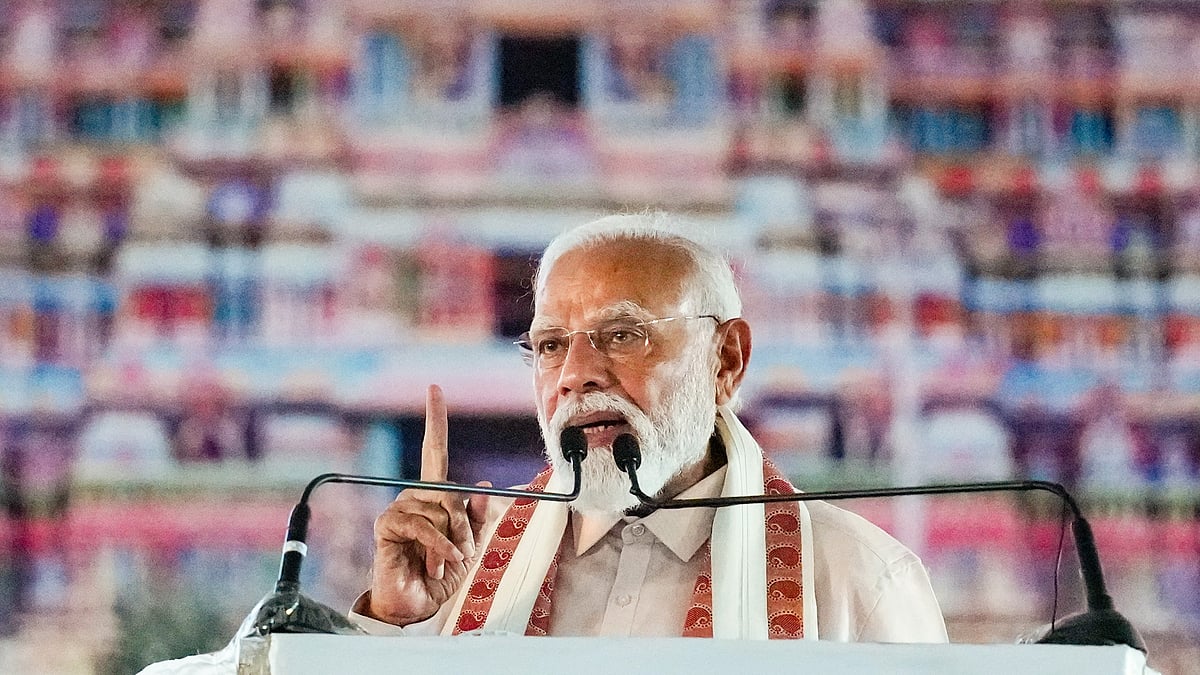
Prime Minister Narendra Modi is currently facing criticism for his absence from Parliament during a time of significant national and international developments. While his supporters often highlight his tireless work ethic and long hours, opposition leaders are questioning why he is not present to answer critical questions in the Lok Sabha. Instead of attending the current session, the Prime Minister has been busy campaigning for upcoming elections in southern India. This has led to a growing list of six major issues regarding trade, foreign policy, and national security that remain unaddressed by the country's leader.
Main Impact
The primary concern is the perceived lack of accountability in the highest levels of government. When a Prime Minister avoids Parliament, it limits the ability of elected representatives to discuss and scrutinize major decisions. This situation is particularly important now because India is navigating complex trade deals with the United States and sensitive diplomatic relations with countries like Israel, Iran, and China. Without clear answers from the Prime Minister, there is confusion about India's official stance on global conflicts and economic agreements that could affect millions of citizens, especially farmers and small business owners.
Key Details
What Happened
While the Parliament is in session, Prime Minister Modi has been traveling to Kerala and Tamil Nadu to lead political rallies. Reports indicate that he spent much of Wednesday, March 11, addressing large crowds and posting updates on social media about his campaign efforts. Meanwhile, in New Delhi, the opposition has pointed out that several urgent matters require his personal attention and explanation. The contrast between his active campaigning and his silence in the House has become a major point of debate among political observers and the public.
Important Numbers and Facts
- Trade Commitments: India has reportedly agreed to a framework to import $500 billion worth of goods from the United States over the next five years.
- Israel Visit: The Prime Minister recently completed a two-day trip to Tel Aviv, where 16 different agreements were signed.
- Investment Rules: The government has started relaxing rules for Chinese investment and mobile apps, reversing a ban that was put in place in 2020.
- Oil Deadlines: The United States has suggested that India only has "permission" to buy Russian oil until the end of March.
- Campaign Scale: Reports suggest the Prime Minister's rallies often attract as many as 250,000 people, showing his focus on public outreach over legislative debate.
Background and Context
In a parliamentary democracy, the Prime Minister and the cabinet are expected to be answerable to the Lok Sabha. This ensures that major decisions, especially those involving foreign countries, are transparent and serve the national interest. Over the last few years, the government has faced several challenges, including border tensions with China and the need to balance relations between the West and Russia. The current criticism stems from a new rule that allows the Prime Minister to sign international deals without needing the usual approval from the cabinet. This change has raised concerns about whether the traditional system of checks and balances is being weakened.
Public or Industry Reaction
The opposition, led by the Congress party, has been vocal about the Prime Minister's absence. Leaders like Rahul Gandhi and Mallikarjun Kharge have accused the government of avoiding tough questions. On social media, the Congress party shared messages suggesting that the Prime Minister often travels abroad or goes on campaign tours whenever Parliament is in session. There is also concern from the agricultural sector regarding the Indo-US trade deal. Farmers are worried that removing tariffs on American imports could lead to a flood of cheap goods that would hurt local prices and livelihoods.
What This Means Going Forward
The government will eventually need to clarify its position on these six key questions to maintain its international reputation. If the Prime Minister continues to bypass the cabinet for international deals, it could lead to legal challenges or further political protests. Regarding foreign policy, India must decide how to respond to the United States' claims about "allowing" oil purchases. If India does not assert its independence clearly, it might look like the country is losing its ability to make its own choices. In the coming weeks, the focus will remain on whether the Prime Minister will finally address these issues in Parliament or continue to focus on election rallies.
Final Take
Hard work and long hours are important for any leader, but they cannot replace the need for transparency in a democracy. The questions being asked are not just political attacks; they involve the economic future and security of the nation. For the public to have full confidence in the government, the Prime Minister must balance his role as a political campaigner with his duty to explain major policy shifts to the people's representatives in Parliament.
Frequently Asked Questions
Why is the Prime Minister's absence from Parliament being criticized?
Critics argue that he is avoiding important questions on trade, national security, and foreign policy to focus on election campaigning in southern India.
What is the concern regarding the new trade deal with the US?
There are worries that the agreement to import $500 billion in goods and remove tariffs could hurt Indian farmers and local businesses by making it harder for them to compete.
Why are the deals with Israel considered unusual?
A recent change in rules allows the Prime Minister to sign international agreements without the usual approval from the cabinet, which some say goes against the rules of parliamentary democracy.

