
Summary
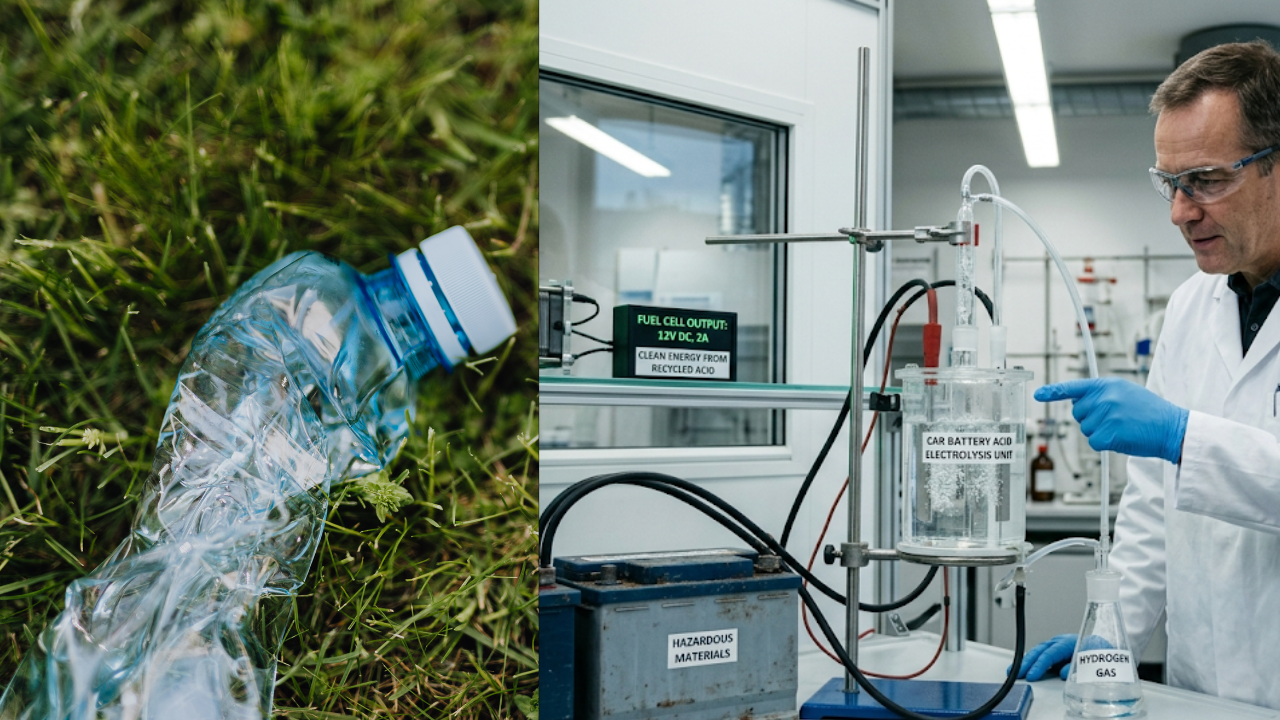
Scientists have discovered a new way to recycle plastic by using the acid found in old car batteries. This breakthrough solves two major environmental problems at the same time: what to do with toxic battery waste and how to get rid of plastic trash. By combining these two materials, researchers can break down plastic into useful chemicals and create clean hydrogen energy. This process could make recycling much cheaper and help the world move away from fossil fuels.
Main Impact
The main impact of this discovery is the creation of a more efficient recycling system. For a long time, recycling certain types of plastic has been too expensive or too difficult to do on a large scale. At the same time, the sulfuric acid inside car batteries is dangerous and hard to dispose of safely. This new method uses the chemical power of the acid to turn plastic waste into valuable resources. It changes how we look at trash, turning toxic waste into a tool for green energy production.
Key Details
What Happened
A team of researchers found that the sulfuric acid from used lead-acid batteries can act as a powerful helper in breaking down plastic. Usually, plastic is made of long, strong chains of molecules that do not break easily. By applying heat and using the battery acid as a catalyst, these chains are snapped apart. This process transforms the solid plastic into liquid oils and gases. One of the most important gases produced during this reaction is hydrogen, which can be used as a clean fuel for cars and factories.
Important Numbers and Facts
Every year, millions of lead-acid batteries are replaced in vehicles around the world. While the lead is often recycled, the acid is frequently treated as a waste product. On the other side of the problem, the world produces more than 400 million tons of plastic every year. Less than 10 percent of that plastic is actually recycled. This new process targets common plastics like polyethylene, which is used in grocery bags and bottles, and polypropylene, which is used in food containers. The researchers found that they could convert a high percentage of this plastic into useful products in just a few hours using the acid-based method.
Background and Context
To understand why this matters, we have to look at how recycling works today. Most plastic recycling involves melting the plastic and shaping it into something new. However, every time plastic is melted, it loses quality. Eventually, it becomes useless and ends up in a landfill or the ocean. This is called "mechanical recycling."
The new method is a type of "chemical recycling." Instead of just melting the plastic, it changes the plastic back into its original chemical building blocks. This means the material can be used to make high-quality products over and over again. Using car battery acid makes this process more sustainable because it uses a material that people already want to get rid of. It reduces the need to mine new chemicals or use fresh acids, which saves money and protects the environment.
Public or Industry Reaction
Experts in the energy and waste industries are very interested in this development. Environmental groups have praised the idea because it addresses the "hidden" waste in the automotive industry. Many people focus on the metal parts of a car, but the liquid chemicals are just as important to manage. Industry leaders are also excited about the hydrogen production. Since hydrogen only releases water when it is burned, it is considered one of the best ways to power heavy machinery and trucks without causing air pollution. If this recycling method can produce hydrogen cheaply, it could speed up the move toward green transportation.
What This Means Going Forward
The next step for this technology is to move out of the laboratory and into real-world factories. Engineers need to build large machines that can safely handle the corrosive battery acid and the high heat needed for the reaction. There are also safety rules to consider, as working with acid requires careful handling to protect workers and prevent leaks. If these challenges are met, we could see recycling centers built next to battery processing plants. This would create a local system where old car parts help clean up the plastic waste from the same community.
Final Take
This breakthrough shows that the solutions to our biggest environmental problems might already be sitting in our trash cans. By looking at battery acid not as a poison, but as a resource, scientists have opened a new door for clean energy. This method proves that we can clean up the planet by being smarter about how we use the chemicals we already have. It is a major step toward a future where nothing is truly wasted.
Frequently Asked Questions
How does battery acid help recycle plastic?
The sulfuric acid from the battery acts as a catalyst. When mixed with plastic and heated, it helps break the strong chemical bonds in the plastic, turning it into liquid chemicals and hydrogen gas.
Is this process safe for the environment?
Yes, because it uses waste acid that would otherwise need to be neutralized or disposed of. It also produces hydrogen, which is a clean energy source that does not create carbon emissions when used.
Can any type of plastic be recycled this way?
The process works best on common plastics like those used in bags, bottles, and food packaging. These are often the hardest plastics to recycle using traditional melting methods.

