Summary
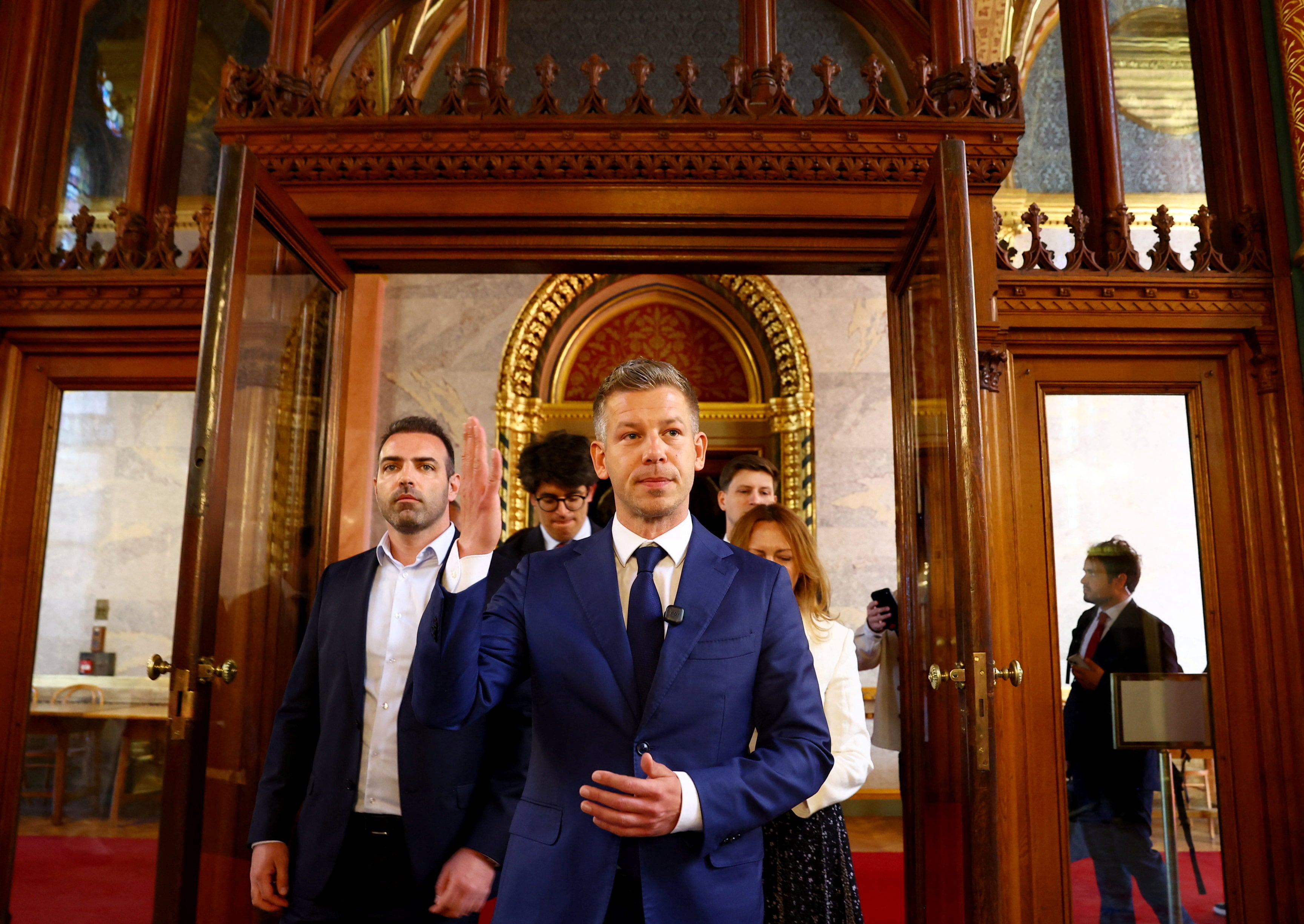
Péter Magyar has achieved a major political victory by defeating Prime Minister Viktor Orbán in the recent Hungarian elections. This win ends 16 years of total control by Orbán and his party, Fidesz, who had built a strong grip on all parts of the government. Magyar told his supporters that the country did not just vote for a new leader, but for a complete change in how the nation is run. Now, he faces the difficult task of fixing a political system that has been shaped by one group for nearly two decades.
Main Impact
The most significant result of this election is the sudden end of Viktor Orbán’s long-standing power. For years, Orbán’s government was seen as a "bunker" that was almost impossible to break into. By winning, Magyar has shown that the political hold Fidesz had over the country is not permanent. This change affects everything from how laws are made to how the media operates in Hungary. The impact is felt not just within the country, but across Europe, as Hungary has often been at odds with the European Union over democratic rules.
Key Details
What Happened
On Sunday, April 12, 2026, the political world was surprised when Péter Magyar and his Tisza party took the lead in the national elections. Magyar was once a member of the ruling party’s inner circle, which gave him a unique view of how the government worked. He used this knowledge to speak out against corruption and the way the state was being managed. His message resonated with millions of people who felt that the current system only benefited a small group of loyalists. The victory was confirmed as the final votes showed a clear shift away from the old leadership.
Important Numbers and Facts
Viktor Orbán had been in power for 16 years, making him one of the longest-serving leaders in Europe. During this time, his party, Fidesz, gained control over the courts, the police, and most of the news outlets. In the early stages of the vote count, the Tisza party held over 33% of the vote, a number that grew as more results came in from urban areas. This election saw one of the highest voter turnouts in recent history, proving that the public was eager to have their voices heard. Magyar’s rise was incredibly fast, as his party only became a major force a few months before the election took place.
Background and Context
To understand why this victory is so important, one must look at how Hungary has changed over the last 16 years. Under Orbán, the government changed many laws to make it easier for them to stay in power. They placed friends and supporters in high-ranking jobs in the government and in big businesses. This is often called a "captured state," where the institutions that are supposed to be neutral actually serve the interests of one political party. Because of this, the European Union often blocked money meant for Hungary, saying the country was no longer following the rules of a fair democracy. Magyar’s goal is to reverse these changes and bring Hungary back to a more standard democratic path.
Public or Industry Reaction
The reaction to the election results was immediate and intense. In the streets of Budapest, thousands of people gathered to celebrate, waving flags and shouting slogans for change. Many young people, in particular, expressed hope that they would no longer feel the need to leave the country for better opportunities elsewhere. On the other hand, those who supported the previous government expressed worry and shock. Business leaders are also watching the situation closely. Some fear that a sudden change in leadership could cause economic uncertainty, while others hope that better relations with the European Union will lead to more investment and growth.
What This Means Going Forward
The road ahead for Péter Magyar is full of obstacles. Even though he won the election, many of the people in charge of the courts and state companies are still loyal to the old government. These officials have long contracts and cannot be easily removed. Magyar will have to find a way to work with or around these people to make the changes he promised. He also needs to rebuild the country's relationship with the European Union to get frozen funds moving again. The biggest risk is that the old system is so deeply rooted that making real progress will take much longer than the public expects. If people do not see quick improvements, the initial excitement for the new government could fade.
Final Take
Péter Magyar has done what many thought was impossible by winning against a deeply rooted political machine. However, winning the election was the easy part compared to the work of rebuilding a nation. The next few years will show if he can truly dismantle the old system and create a government that works for everyone, not just a few. Hungary is now at a turning point, and the world is watching to see if this change will lead to a more open and fair society.
Frequently Asked Questions
Who is Péter Magyar?
Péter Magyar is a former government insider who turned against Viktor Orbán's party to lead a new opposition movement called the Tisza party. He became popular by exposing corruption and calling for a complete change in the political system.
Why was Viktor Orbán’s government criticized?
Orbán’s government was often criticized for taking too much control over the media, the courts, and the economy. International groups and the European Union argued that these actions weakened democracy and the rule of law in Hungary.
What are the main goals of the new government?
The new government aims to reduce corruption, restore the independence of state institutions, and improve relations with the European Union. They also want to ensure that the government serves all citizens rather than just those loyal to a specific party.