Summary
Hungary has reached a major turning point in its history following the national elections held this Sunday. Péter Magyar and his Tisza party won a massive victory, effectively ending the 16-year rule of Viktor Orbán. With most of the votes counted, the results show a clear shift in the country's political direction. Orbán has officially admitted defeat, calling the loss painful for his party and his supporters.
Main Impact
The biggest impact of this election is the sudden end of the "Orbán era." For nearly two decades, Viktor Orbán held a firm grip on Hungarian politics, often moving the country away from mainstream European Union policies. His defeat means Hungary will likely see a major change in how it deals with other countries and how it manages its own internal laws. This win by Péter Magyar signals that a large part of the population was ready for a new style of leadership that moves away from the old conservative and pro-Russian stance.
Key Details
What Happened
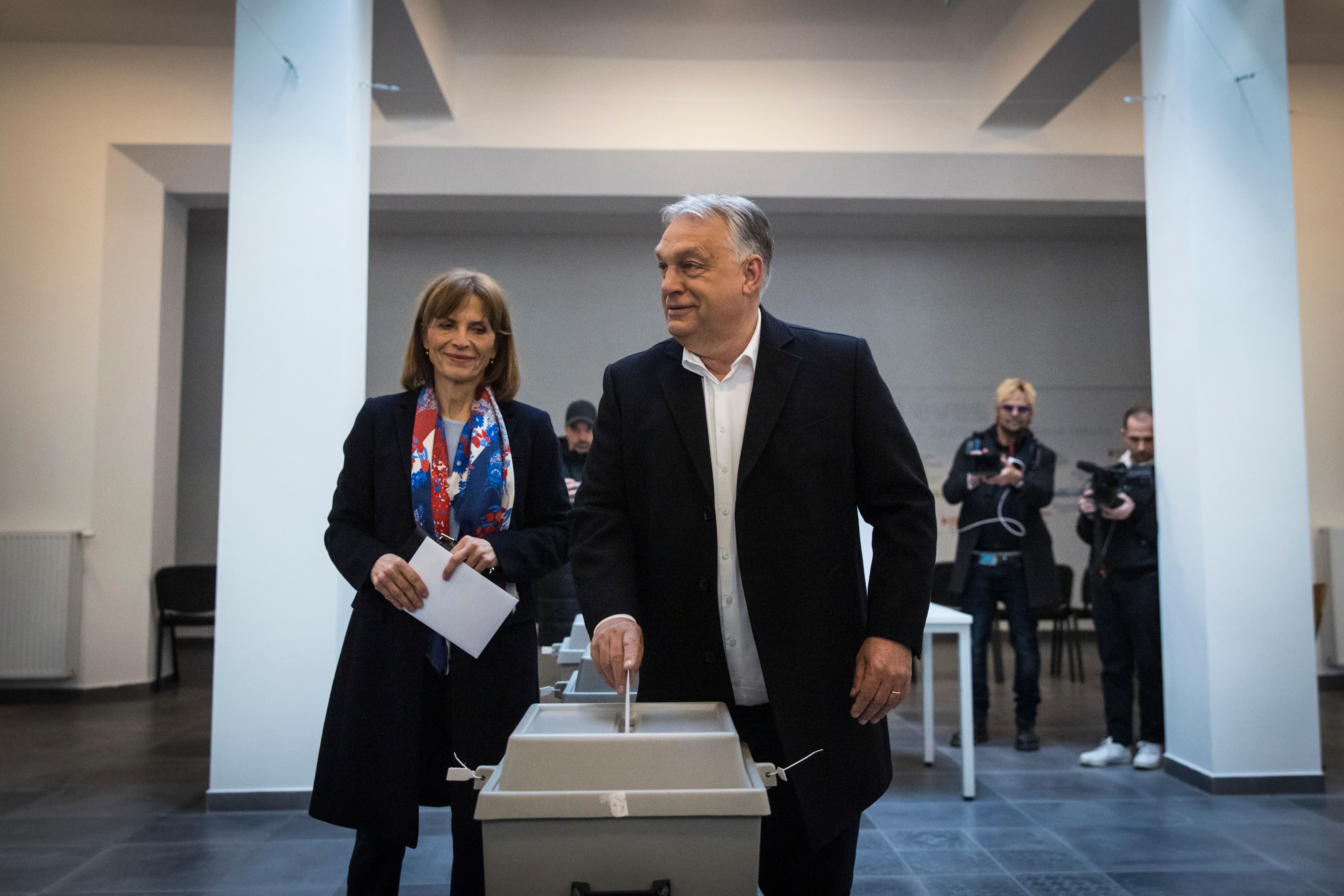
On Sunday, voters across Hungary went to the polls to decide the future of their government. While many expected a close race, the results turned out to be a landslide for the opposition. Péter Magyar, who was once a member of the political establishment but turned into a fierce critic, led his Tisza party to a dominant position. As the night went on and the votes were counted, it became clear that the ruling party, Fidesz, could not keep up. Viktor Orbán eventually called Magyar to congratulate him, a move that confirmed the transfer of power was beginning.
Important Numbers and Facts
The data from the election shows the scale of the change. With 92% of the votes counted, the Tisza party secured 138 seats in the parliament. In contrast, Viktor Orbán’s party only managed to get 54 seats. This is a massive gap that gives the new government a strong mandate to make changes. Orbán had been in power since 2010, making this the first time in 16 years that he will not be leading the nation. The high voter turnout across the country suggested that citizens were highly motivated to participate in this specific election cycle.
Background and Context
To understand why this matters, one must look at Hungary’s recent history. Viktor Orbán was known for his "illiberal democracy" and his frequent arguments with the European Union. He often blocked EU decisions and maintained close ties with Russia, even during international conflicts. This caused a lot of tension between Hungary and its neighbors.
Péter Magyar emerged as a surprising challenger. He used to work within the government system but started speaking out against corruption and the way the country was being run. He used social media and large public protests to build a following very quickly. His message focused on transparency, better healthcare, and improving the economy, which has struggled with high prices lately. Many voters felt that the old government had stayed in power too long and that it was time for a fresh start with someone who understood the system but wanted to fix it.
Public or Industry Reaction
The reaction in the capital city of Budapest was one of high energy. Supporters of the Tisza party gathered in the streets to celebrate what they called a "new dawn" for the country. On the other side, the mood among Orbán’s supporters was quiet and somber. In his speech, Orbán told his followers that the defeat was hard to take but that they must respect the will of the people. International leaders are also watching closely. Many officials in the European Union have expressed hope that this change will lead to better cooperation between Hungary and the rest of Europe.
What This Means Going Forward
Going forward, Hungary faces a period of transition. Péter Magyar will need to form a government and begin the work he promised during his campaign. One of the first steps will likely be trying to get back billions of euros in funds that the European Union had frozen because of concerns over how Orbán was running the country. There are also expectations for new laws regarding the media and the justice system to make them more independent. However, the transition might be difficult, as the outgoing party still has many supporters in local government and various state institutions.
Final Take
This election proves that political trends can change quickly when the public feels their needs are not being met. After 16 years of one-man rule, Hungary has chosen a different path. The success of Péter Magyar shows that voters are looking for a balance between national pride and working well with the international community. The world will now be watching to see if this new leadership can deliver on its promises of a more open and modern Hungary.
Frequently Asked Questions
Who is Péter Magyar?
Péter Magyar is the leader of the Tisza party. He was formerly a government official who became a critic of Viktor Orbán, eventually leading the opposition to a major election victory.
Why did Viktor Orbán lose?
While there are many reasons, voters were largely concerned about the economy, government corruption, and Hungary's isolated position within the European Union after 16 years of his leadership.
What is the Tisza party?
The Tisza party is the political group led by Péter Magyar. It rose to popularity by promising to fight corruption and improve public services like schools and hospitals.