Summary
Péter Magyar and his Tisza party have achieved a historic victory in Hungary’s national elections. This win marks the end of Viktor Orbán’s 16-year rule as the country’s leader. With more than half of the votes counted, the opposition holds a massive lead that makes a comeback for the current government impossible. Orbán has officially admitted defeat and congratulated his opponent on the win.
Main Impact
The primary impact of this election is a total shift in Hungary’s political direction. For nearly two decades, Viktor Orbán maintained a firm grip on the country, often moving it away from mainstream European Union policies. Magyar’s victory suggests that Hungarian voters are ready for a new approach. This change will likely lead to better relations between Hungary and the rest of Europe, as the new leadership has expressed a desire to move away from the nationalist and pro-Russian stances of the previous administration.
Key Details
What Happened
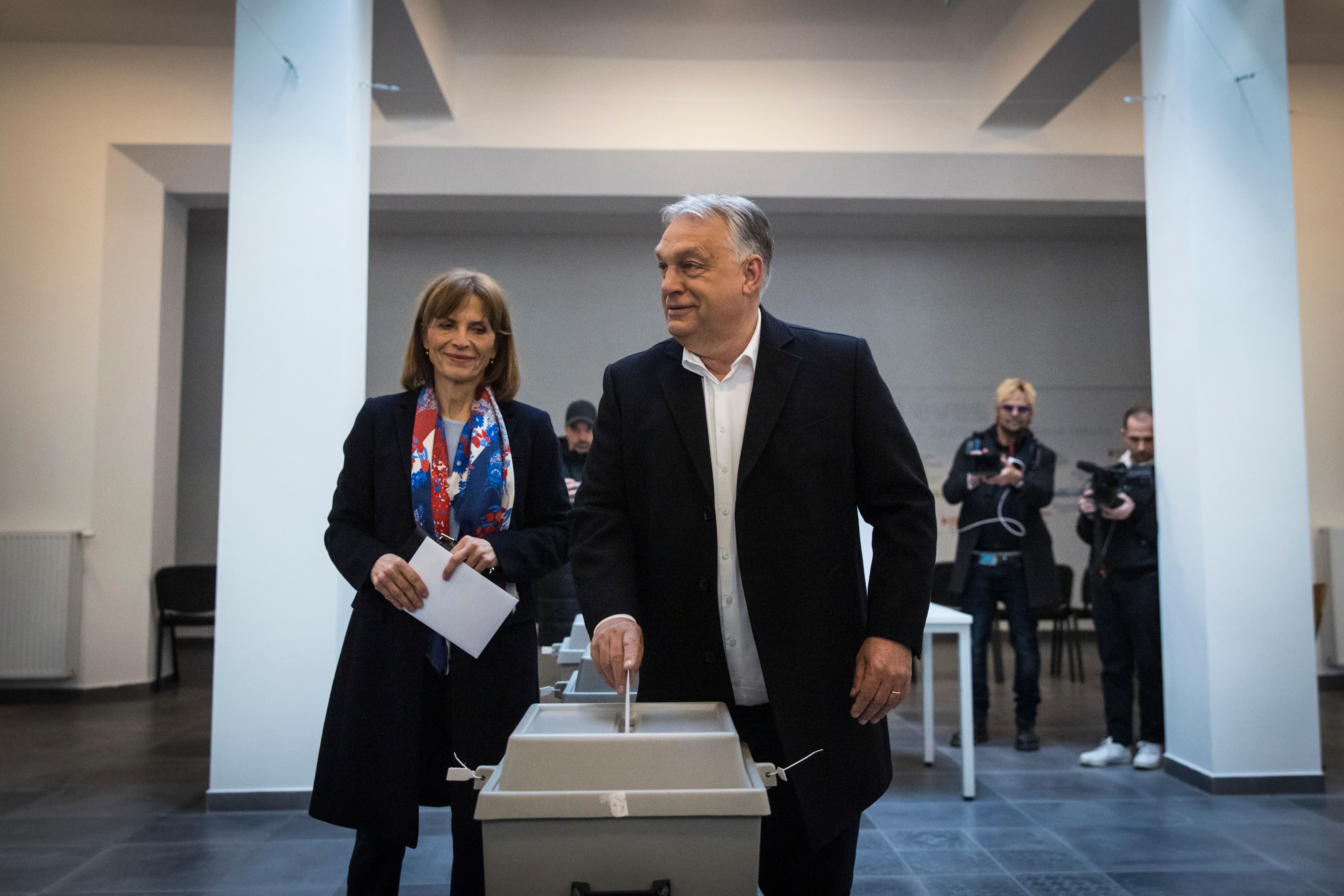
On Sunday, April 12, 2026, Hungarian citizens went to the polls to decide the future of their government. As the results began to come in, it became clear that Péter Magyar was winning by a wide margin. The Tisza party took an early lead that only grew as more votes were processed. By the time 60.2% of the votes were counted, the gap between the two main parties was so large that the outcome was certain. Viktor Orbán called Magyar directly to acknowledge the results before speaking to his own supporters about the loss.
Important Numbers and Facts
The data from the election shows a clear rejection of the long-standing government. The Tisza party, led by Magyar, has secured 136 seats in the parliament. In contrast, Viktor Orbán’s party managed to hold onto only 56 seats. This is a massive drop for Orbán, who previously held a supermajority that allowed him to change laws with very little opposition. The voter turnout was high, showing that the public was highly engaged in this specific election cycle.
Background and Context
To understand why this win is so significant, it is important to look at the last 16 years. Viktor Orbán became Prime Minister in 2010 and stayed in power through several election cycles. During his time in office, he became known for his "illiberal" style of governing. He often fought with the European Union over issues like the rule of law, media freedom, and immigration. He also maintained a close relationship with Russia, even when other European nations were pulling away.
Péter Magyar was not always an outsider. He was once part of the political system under Orbán. However, he eventually broke away and began to speak out against corruption and the way the country was being run. He formed the Tisza party and quickly gained a following by promising to bring transparency and a more modern, pro-European vision to Hungary. His rise from a former insider to the man who unseated Orbán happened in a relatively short amount of time.
Public or Industry Reaction
The reaction within Hungary has been a mix of shock and celebration. For many young voters, this is the first time in their lives they will see a leader other than Orbán. In the capital city and other urban areas, supporters of the Tisza party gathered to celebrate the results. On the other side, Orbán’s supporters expressed sadness. In his concession speech, Orbán described the defeat as "painful" but acknowledged that the people had made their choice. International leaders are also watching closely, with many EU officials expressing hope that this will lead to a more cooperative relationship with Hungary.
What This Means Going Forward
The next few months will be a period of transition for Hungary. Péter Magyar will need to form a new government and begin the process of taking over state institutions. One of the biggest challenges will be the economy. Hungary has faced high inflation and a lack of investment due to its previous conflicts with the EU. Magyar has promised to unlock EU funds that were frozen because of concerns over the previous government's policies.
There are also questions about how the new government will handle foreign policy. While Magyar is expected to be more pro-Western, he will still have to manage a country that has deep ties to various regional powers. The world will be watching to see if he can follow through on his promises to end corruption and restore democratic balance to the nation.
Final Take
This election proves that political shifts can happen even in countries where one leader has held power for a very long time. The victory of Péter Magyar is not just a change in leadership; it is a signal that the Hungarian people want to reconnect with the rest of Europe. While the road ahead will be difficult, the clear results of this vote provide a strong mandate for change. The 16-year era of Viktor Orbán has ended, and a new chapter for Hungary has begun.
Frequently Asked Questions
Who is Péter Magyar?
Péter Magyar is the leader of the Tisza party and the winner of the 2026 Hungarian elections. He was formerly a member of the political establishment but became a critic of Viktor Orbán's government.
How many seats did the opposition win?
With 60.2% of the votes counted, the Tisza party secured 136 seats, while Viktor Orbán’s party won 56 seats.
Why did Viktor Orbán lose?
While many factors contributed, voters appeared to be looking for a change after 16 years of his rule. Issues like corruption, the economy, and strained relations with the European Union played a major role in the shift toward the opposition.