
Summary
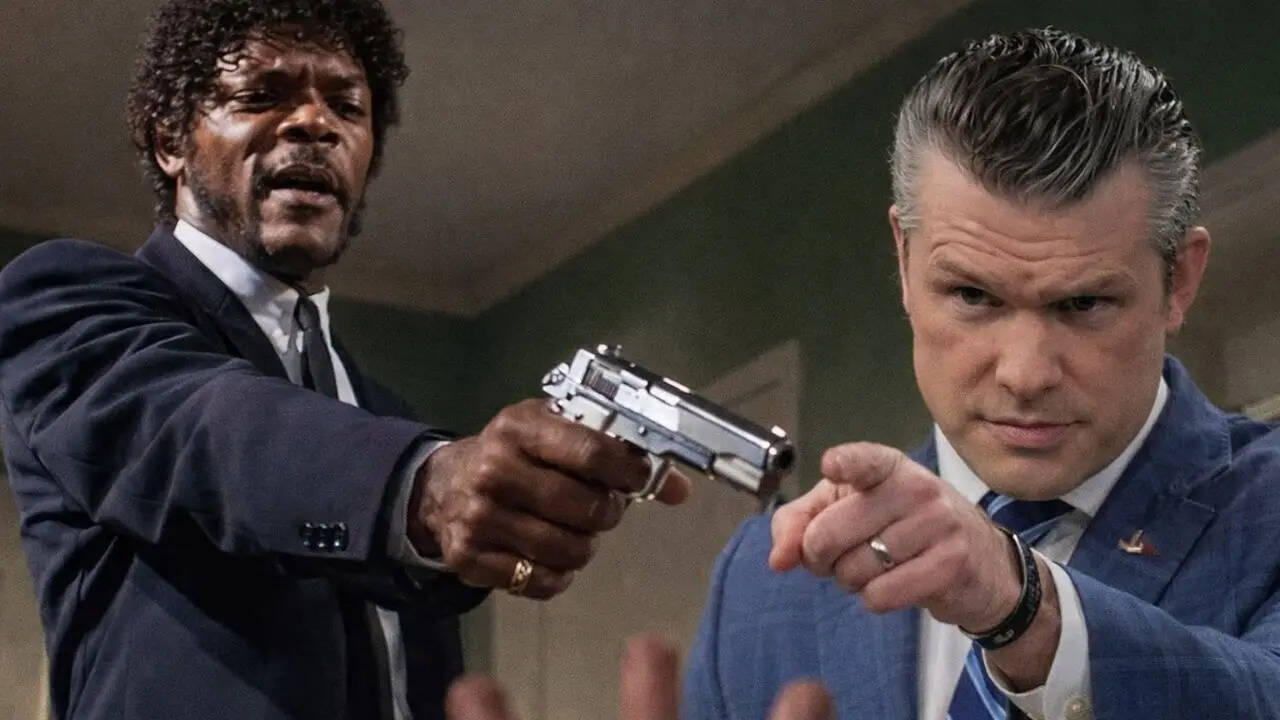
A recent event at the Pentagon has sparked a lot of talk online regarding Pete Hegseth and a specific religious reading. During a worship service, Hegseth shared what he called a military prayer known as "CSAR 25:17." Many people who heard the words immediately thought of a famous scene from the movie Pulp Fiction. This has led to questions about whether the verse came from the Bible or from a Hollywood script. The situation highlights how military culture sometimes blends traditional faith with popular media.
Main Impact
The main impact of this event is a debate over the use of religious language in government settings. When a high-ranking official uses a verse that is closely tied to a violent movie character, it draws a lot of attention. For some, this choice of words represents a strong, protective "warrior" mindset that fits the military. For others, it raises concerns about the accuracy of religious teachings and the influence of entertainment on serious government business. It also shows how quickly social media can turn a quiet prayer meeting into a global conversation.
Key Details
What Happened
Pete Hegseth was speaking at a Pentagon worship service, which is a regular gathering for prayer and reflection. During his time at the microphone, he introduced a reading he referred to as "CSAR 25:17." He explained that this was a special version of a prayer used by Combat Search and Rescue teams. These are the brave military units that fly into dangerous areas to save soldiers who are trapped or injured. Hegseth presented the words as a source of strength for those who go into harm's way to protect others.
Important Numbers and Facts
The confusion centers on the Bible verse Ezekiel 25:17. In the actual Bible, the verse is quite short. It says that God will carry out "great vengeance" on those who do wrong. However, in the 1994 movie Pulp Fiction, the character played by Samuel L. Jackson recites a much longer and more dramatic version. The movie version includes famous lines about "the path of the righteous man" and "the tyranny of evil men." Hegseth’s "CSAR" version seems to follow the movie’s style more than the actual religious text. This specific military adaptation has been used by some units for years, but this is the first time it has gained such high-level attention at the Pentagon.
Background and Context
To understand why this matters, you have to look at how the military views its mission. Soldiers often look for symbols and words that give them courage. The idea of a "warrior-priest" or a "protector" is very common in military circles. Over time, some units have taken verses from the Bible and changed them slightly to fit their specific jobs. In this case, the Combat Search and Rescue (CSAR) teams adopted a version of the verse that sounds like a mission statement. They see themselves as the "shepherds" who protect the "weak" through the "valley of darkness." While the movie Pulp Fiction made these words famous, the military community has its own history with the text that is separate from the film.
Public or Industry Reaction
The reaction to Hegseth's speech has been split. On social media, many movie fans were quick to post clips of the film, joking that the Pentagon was quoting Hollywood. Some religious scholars pointed out that the words used are not actually in the Bible, which led to a debate about the importance of scriptural accuracy. On the other side, many veterans and active-duty members defended the use of the verse. They argued that the specific wording has deep meaning for rescue teams who risk their lives. They believe the intent of the prayer—to ask for protection while fighting evil—is more important than where the exact words originated.
What This Means Going Forward
Moving forward, this event might change how officials prepare for public religious services. There may be more care taken to distinguish between traditional scripture and military traditions or pop culture references. It also highlights the growing role of "warrior culture" in the public image of the military. As more people discuss the link between faith and service, there will likely be more eyes on how the Pentagon balances these different influences. The conversation about "CSAR 25:17" is a reminder that in the modern world, the lines between what we see on screen and what we believe in real life can often become blurred.
Final Take
The "CSAR 25:17" moment is more than just a movie reference. It is a look at how the military creates its own traditions and language to deal with the stress of war. While the words might sound like they belong in a theater, for the people in the room at the Pentagon, they represented a commitment to saving lives. Whether the verse comes from a holy book or a famous script, its impact on the audience was real and significant.
Frequently Asked Questions
Is CSAR 25:17 a real verse in the Bible?
No, "CSAR 25:17" is not a real Bible verse. It is a military adaptation of Ezekiel 25:17, often influenced by the version used in the movie Pulp Fiction.
What does CSAR stand for?
CSAR stands for Combat Search and Rescue. These are military missions focused on finding and rescuing people in distress during a war or conflict.
Why did Pete Hegseth use this specific prayer?
Hegseth used it to honor the culture of military rescue teams. He presented it as a "warrior's prayer" that reflects the mission of protecting others from harm.

