Summary
Defense Secretary Pete Hegseth has issued a new order that prevents military officers from attending Ivy League schools and several other elite universities. This change affects professional courses, graduate programs, and fellowships that senior officers use to further their education. The Pentagon chief argues that these schools do not align with American military values and fail to prepare leaders for war. This decision marks a major shift in how the United States military trains its top personnel and where it spends its education budget.
Main Impact
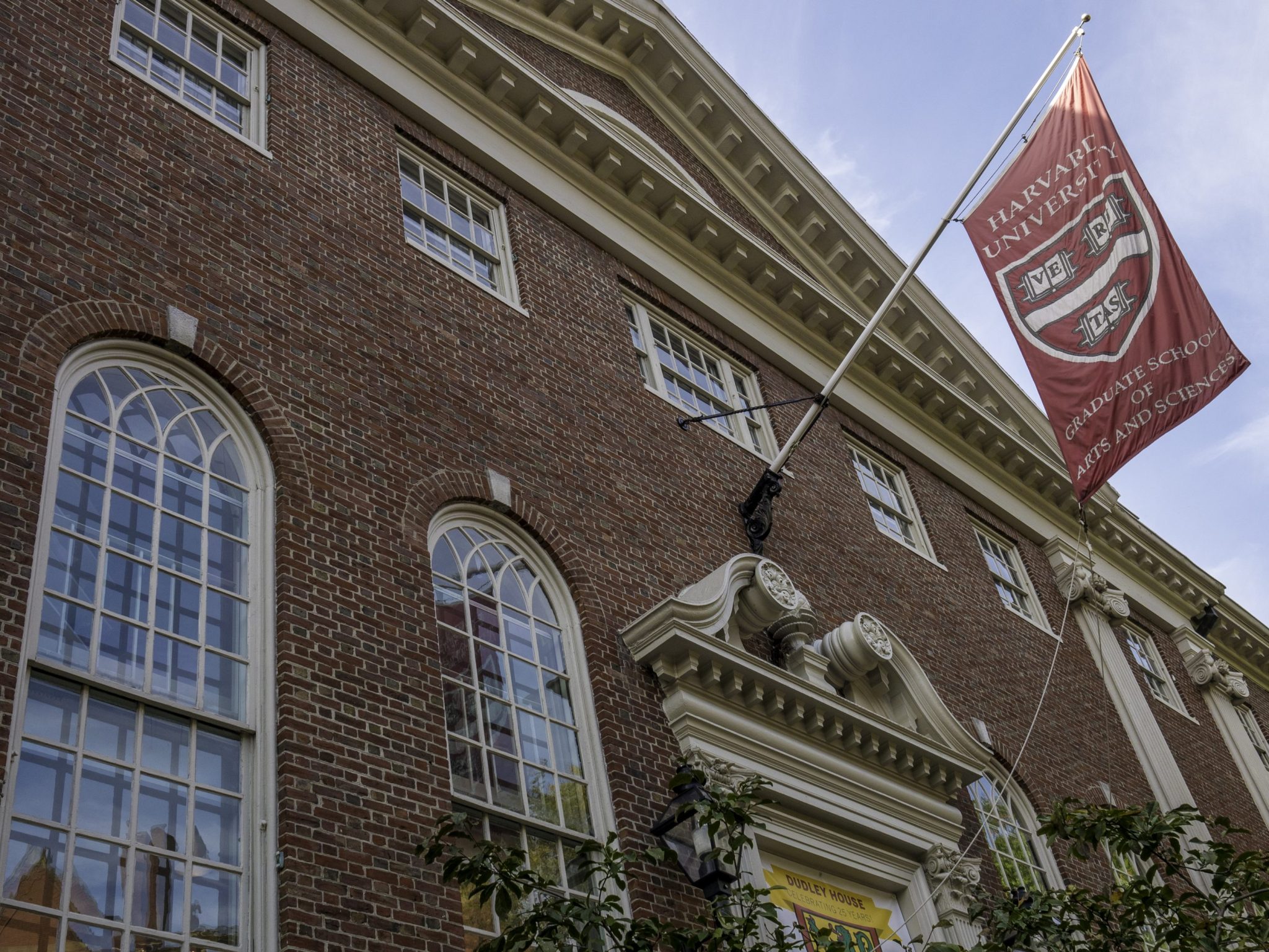
The most immediate impact of this policy is the total removal of several world-famous universities from the military’s approved list. Starting in the 2026-2027 school year, officers will no longer be able to attend institutions like Harvard, MIT, or Yale through these specific programs. This move could disrupt long-standing research partnerships and change the way the military interacts with the academic world. By moving away from these schools, the Pentagon is signaling a preference for institutions that it believes are more supportive of traditional military goals and American ideals.
Key Details
What Happened
On Friday, Secretary Hegseth released a memo explaining the new rules for professional military education. He stated that the military must focus on developing thinkers who understand the founding principles of the United States. He believes that many top-tier schools have become places that show disdain for the military. Because of this, the Pentagon will stop investing taxpayer money into these institutions for senior leadership training. This follows a previous announcement where Hegseth specifically targeted Harvard for removal from military programs.
Important Numbers and Facts
The list of banned schools includes all Ivy League members such as Harvard, Yale, Columbia, Princeton, Brown, and Cornell, as well as MIT. Other major schools on the list are Carnegie Mellon University and the Johns Hopkins University School of Advanced International Studies.
To replace these schools, the Pentagon has suggested a new list of partners. These include:
- Liberty University
- Pepperdine University
- George Mason University
- Clemson University
- The University of Michigan
- The University of Tennessee
- Baylor University
Background and Context
For many years, the U.S. military has sent its most promising officers to top civilian universities. The goal was to give these leaders a broad education in history, technology, and international relations. These programs, often called fellowships, allowed officers to learn alongside future business and political leaders. However, Secretary Hegseth and other critics have argued that these elite schools have become too political. They claim the schools focus on ideas that do not help the military win wars or protect the country.
This decision is part of a larger effort by the current administration to change how the government works with outside organizations. It reflects a desire to move away from "elite" institutions and toward schools that are seen as more culturally aligned with the military's mission.
Public or Industry Reaction
The reaction to this move has been mixed, with some expressing concern about the loss of technical expertise. For example, Carnegie Mellon University is a world leader in artificial intelligence (AI). The Army currently has an AI center located there to help the military use new technology. Similarly, the Space Force has a strong partnership with Johns Hopkins for training its officers.
It is currently unclear how these specific technical partnerships will be affected. If officers cannot attend these schools, the military might lose access to some of the best research and experts in fields like AI and space strategy. So far, the Army and Space Force have not commented on how they will manage these changes.
What This Means Going Forward
In the coming years, we will see a shift in where military leaders are trained. The focus will move to the new list of partner schools, which are expected to provide education that aligns more closely with the Pentagon's current philosophy. This shift also matches other changes in the government. For instance, the administration is changing which AI companies it works with, favoring groups like OpenAI and xAI while cutting ties with others.
The military will have to find ways to maintain its technological edge without the direct help of some of the country's most famous research universities. This might mean building more internal training programs or finding new ways to work with the private sector.
Final Take
This policy is a clear statement that the Pentagon values cultural alignment as much as academic prestige. By cutting ties with the Ivy League, the military is attempting to reshape the mindset of its future leaders. Whether this move helps or hurts the military's ability to innovate in areas like AI and space remains to be seen. The success of this plan will depend on whether the new partner schools can provide the high-level strategic training that modern warfare requires.
Frequently Asked Questions
Which universities are now banned for military officers?
The ban includes all Ivy League schools like Harvard and Yale, as well as MIT, Carnegie Mellon, and the Johns Hopkins School of Advanced International Studies.
When does this new policy take effect?
The changes will begin with the 2026-2027 academic year and will continue for future years.
Why did the Pentagon chief make this decision?
Secretary Hegseth believes these schools do not support American military values and have become "factories of anti-American resentment" that do not help officers prepare for war.