Summary
Spanish Prime Minister Pedro Sánchez recently issued a stern warning during a session in Congress, referencing one of the most controversial moments in the country's modern history. He stated that former Prime Minister José María Aznar made a grave mistake by involving Spain in the Iraq War in 2003. Sánchez emphasized that his current government must learn from these past errors to avoid making similar choices in today's complicated global climate. This statement highlights the ongoing tension between Spain's major political parties regarding foreign policy and military involvement.
Main Impact
The Prime Minister’s comments have immediate effects on the political debate in Spain. By bringing up the Iraq War, Sánchez is attempting to define his administration as one of peace and careful diplomacy. This move serves to distance his party from the more aggressive foreign policy stances associated with the conservative People’s Party (PP). It also signals to the international community that Spain intends to follow a path of caution regarding current global conflicts, prioritizing international law and consensus over unilateral military action.
Key Details
What Happened
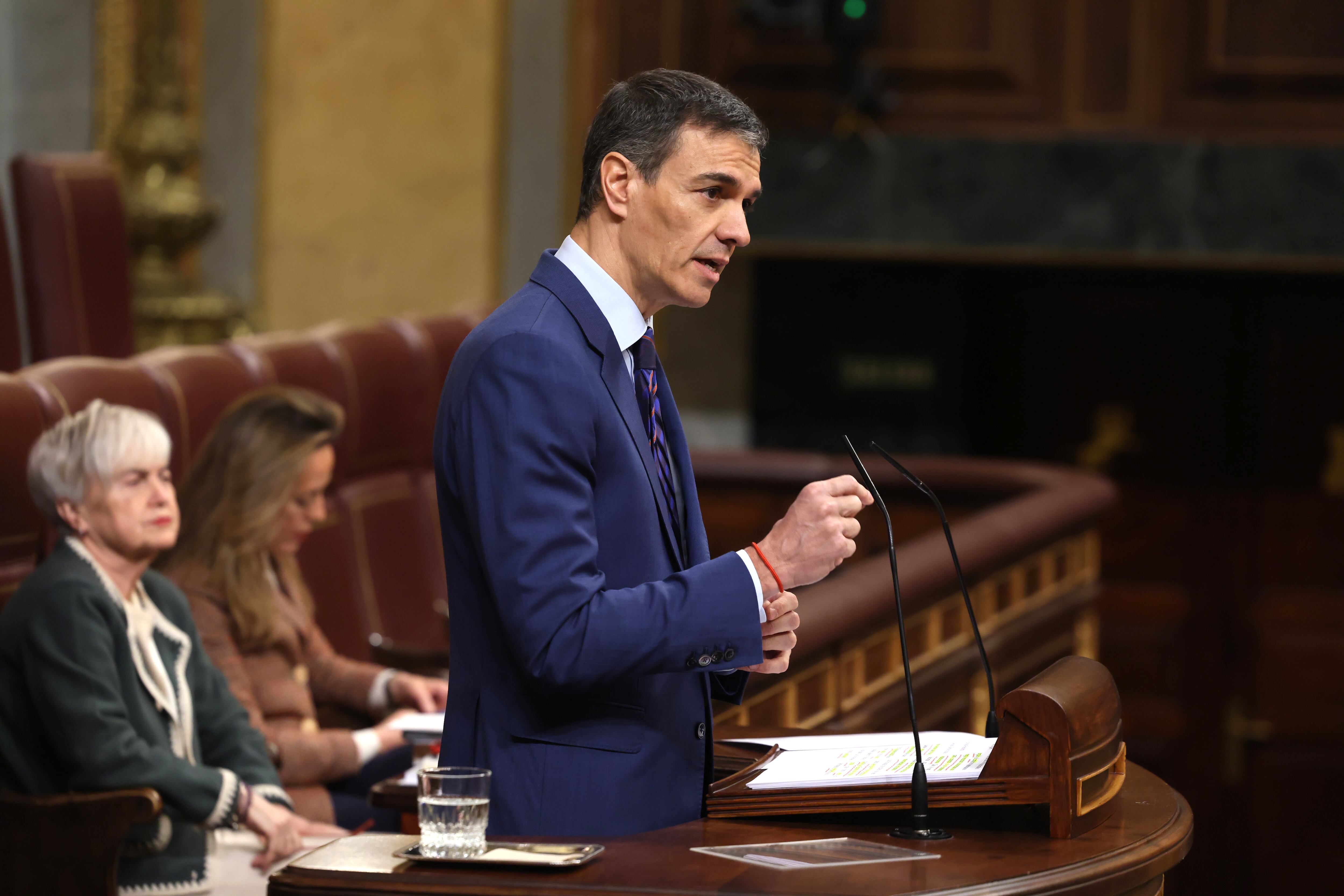
During a live appearance in the Spanish Congress on Wednesday, March 25, 2026, Pedro Sánchez addressed the chamber about the government's current international strategy. The discussion quickly turned toward historical comparisons. Sánchez specifically named José María Aznar, the leader who governed Spain during the early 2000s. He argued that Aznar "dragged" the Spanish people into a war that many felt was unjustified. The Prime Minister used this historical reference to justify his own cautious approach to modern geopolitical crises, suggesting that a repeat of the 2003 scenario would be a disaster for the country.
Important Numbers and Facts
The Iraq War began in 2003 and remains a deeply divisive topic in Spain. At the time, millions of Spanish citizens participated in protests, with some estimates suggesting that over 90% of the population opposed the intervention. Despite this, the government at the time sent troops to support the coalition. In his recent speech, Sánchez pointed out that the consequences of that decision lasted for years and changed Spain's political landscape forever. By revisiting these facts in 2026, the Prime Minister is reminding voters of the risks involved when a government ignores public sentiment on matters of war and peace.
Background and Context
To understand why this comparison is so powerful, it is necessary to look back at the "Trio of the Azores." This was a famous meeting between the leaders of the United States, the United Kingdom, and Spain just before the invasion of Iraq. José María Aznar’s presence at that meeting symbolized Spain's alignment with a specific military path. When the war did not go as planned and no weapons of mass destruction were found, the Spanish public felt misled. This led to a massive shift in power during the 2004 elections. Today, as new conflicts arise in different parts of the world, the memory of Iraq serves as a shield for leaders like Sánchez who want to avoid direct military commitments.
Public or Industry Reaction
The reaction to Sánchez’s speech was immediate and divided. Members of his own party and his coalition partners praised the speech as a necessary reminder of the dangers of "warmongering." They believe it is vital to keep the lessons of the past alive. On the other side, the current leaders of the People’s Party accused Sánchez of using history to distract from current domestic problems. They argue that the world has changed significantly since 2003 and that the Prime Minister is simply trying to stir up old emotions to gain political points. Political analysts suggest that this rhetoric is designed to appeal to left-leaning voters who are traditionally skeptical of military intervention.
What This Means Going Forward
Looking ahead, this stance suggests that Spain will continue to be a voice for diplomacy within the European Union and NATO. Sánchez is signaling that he will not support any military actions that lack clear international legal backing or broad public support. This could lead to friction with allies who may want a more active military presence in certain regions. Domestically, the Iraq War will likely remain a key talking point as Spain moves closer to future elections. The government will use it to portray the opposition as a party that takes unnecessary risks, while the opposition will try to move the conversation toward the economy and modern security needs.
Final Take
Pedro Sánchez is using one of Spain's most painful political memories to set the stage for his future foreign policy. By reminding the public of the Iraq War, he is framing his decisions as a choice between the "errors of the past" and a "responsible future." While this strategy helps solidify his base, it also ensures that the ghost of the 2003 conflict will continue to haunt Spanish political debates for years to come. The true test will be how this philosophy holds up if a major global crisis forces Spain to choose between its allies and its commitment to avoiding military conflict.
Frequently Asked Questions
Why did Pedro Sánchez mention the Iraq War now?
He mentioned it to contrast his government's diplomatic approach with the military decisions made by the conservative government in 2003. He wants to warn against making similar mistakes in current global conflicts.
What was the "Trio of the Azores"?
It was a meeting between the leaders of the US, UK, and Spain (Aznar) in 2003 where they decided to move forward with the invasion of Iraq. It is often cited as the moment Spain committed to the war.
How did the Spanish public react to the Iraq War in 2003?
The vast majority of the Spanish public was against the war. Millions of people took to the streets in some of the largest protests in the country's history to voice their opposition.