Summary
Spanish Prime Minister Pedro Sánchez appeared before Congress on Wednesday to clarify Spain's position on the escalating conflict in Iran. The Prime Minister addressed the nation's lawmakers to outline how the government plans to handle the diplomatic and economic challenges caused by the war. This appearance comes at a critical time as international leaders work to prevent the situation from spreading further across the region. Spain is looking to balance its duties to international groups like NATO with its desire for a peaceful resolution.
Main Impact
The primary impact of this announcement is the formalization of Spain’s role in the global response to the Iran crisis. By speaking directly to the Parliament, Sánchez has set a clear path for Spanish foreign policy in 2026. This move affects Spain's relationships with its European partners and its standing within the United Nations. Locally, the speech aims to calm fears about how the war might affect energy prices and national security, providing a sense of direction during an uncertain time.
Key Details
What Happened
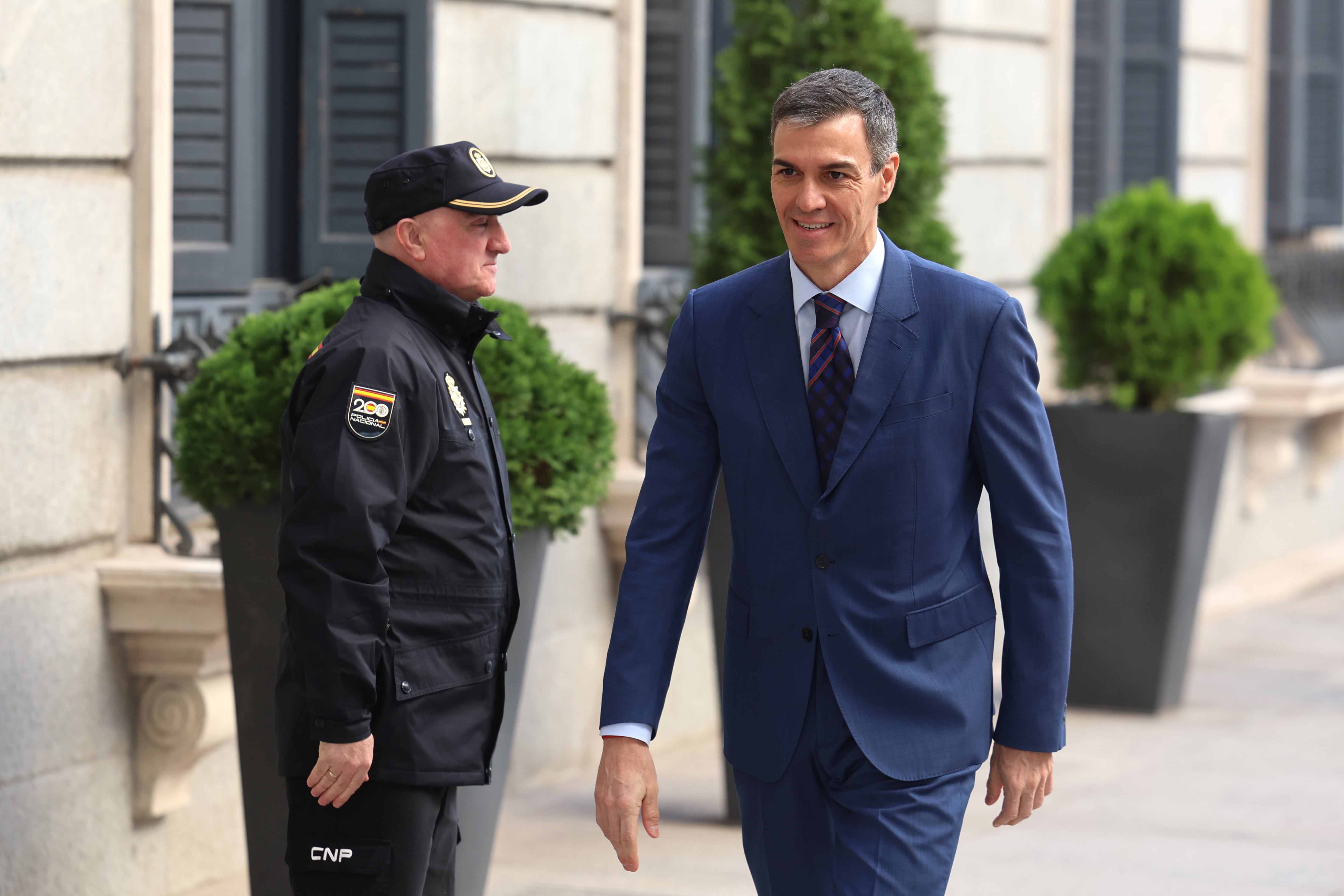
Prime Minister Pedro Sánchez arrived at the Congress of Deputies on the morning of March 25, 2026. During his speech, he emphasized that Spain would prioritize diplomacy and the protection of human rights. He stated that while Spain stands with its allies, the main goal is to find a way to stop the fighting as quickly as possible. The Prime Minister also discussed the need to protect international shipping lanes that are vital for global trade, especially those near the Middle East.
Important Numbers and Facts
The government has already committed to a specific set of actions. Spain plans to increase its humanitarian aid budget by 15% to help those displaced by the fighting. Additionally, the Prime Minister mentioned that Spain currently has several hundred personnel stationed in nearby regions as part of ongoing peace missions. On the economic side, the government is monitoring oil prices closely, as Spain imports a significant portion of its energy. Officials are preparing a contingency plan if fuel prices rise by more than 20% over the next month.
Background and Context
The conflict in Iran did not start overnight. Tensions have been growing for several years over nuclear agreements, regional influence, and trade disagreements. By early 2026, these tensions turned into open military action. For Spain, this is not just a distant problem. The Mediterranean region is sensitive to any instability in the Middle East. Changes in the political climate there can lead to higher gas prices at Spanish pumps and changes in migration patterns. Spain has traditionally acted as a bridge between Europe and the Middle East, making its voice important in these discussions.
Public or Industry Reaction
The reaction to the Prime Minister’s speech has been mixed. Members of the opposition parties have asked for more specific details on how Spain will protect its own borders and economy. Some political leaders argue that the government should be more forceful in its support of international sanctions. On the other hand, business groups in the transport and energy sectors are worried about the long-term costs of the war. They are calling for the government to provide subsidies if energy costs become too high for small businesses to handle. Meanwhile, many citizens have expressed concern on social media about the potential for the conflict to grow into a larger global war.
What This Means Going Forward
In the coming weeks, Spain will participate in several high-level meetings with the European Union and NATO. These meetings will decide if more sanctions will be placed on the parties involved in the war. The Spanish government will also need to decide if it will send more resources to support international security efforts. At home, the Parliament will vote on new measures to protect the economy from inflation. The situation remains fluid, and the government has promised to provide regular updates as new information becomes available.
Final Take
Spain is taking a cautious but firm stand in the face of the Iran conflict. By focusing on diplomacy and humanitarian support, the government hopes to fulfill its international duties without being pulled into a long-term military struggle. The success of this plan will depend on how well the international community works together and whether energy markets can stay stable during the crisis. For now, the focus remains on keeping the peace and protecting the interests of Spanish citizens.
Frequently Asked Questions
Why did the Prime Minister speak to Congress today?
He spoke to explain Spain's official stance on the war in Iran and to outline the steps the government is taking to protect the country's interests and support international peace.
How will this war affect people living in Spain?
The biggest immediate concerns are rising energy and fuel prices. The government is working on plans to help keep these costs under control for families and businesses.
Is Spain planning to send troops to the conflict?
The Prime Minister emphasized diplomacy and humanitarian aid. While Spain is part of NATO and has personnel in the region for peace missions, there has been no announcement of sending troops into direct combat at this time.