
Summary
The Supreme Court of India has put a hold on the transit anticipatory bail previously granted to Congress leader Pawan Khera. This legal move is part of an ongoing dispute involving comments Khera made about the passport of Riniki Bhuyan Sarma, who is the wife of Assam Chief Minister Himanta Biswa Sarma. The stay by the top court means that the temporary protection Khera had against arrest in this specific case is currently suspended. This decision highlights the complex legal rules regarding how bail is granted when a case is filed in a different state from where the person lives.
Main Impact
The primary impact of this ruling is that Pawan Khera now faces increased legal pressure in the state of Assam. By staying the transit bail, the Supreme Court has signaled that the procedures used to grant that bail may not have followed the correct legal path. This allows the defamation case filed against him in Assam to move forward without the immediate shield he previously held. For the broader public, this case serves as a reminder of the strict rules governing "transit bail," which is a temporary measure used to protect someone from arrest while they travel to a court in another region.
Key Details
What Happened
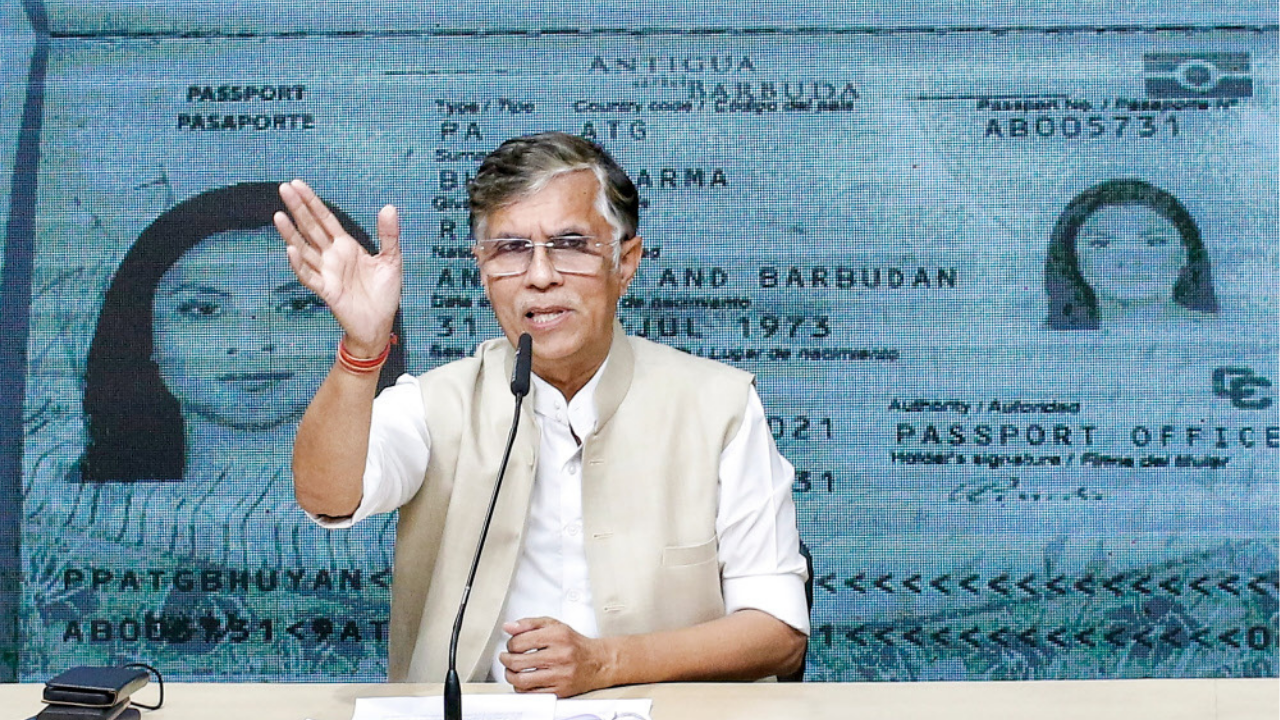
The dispute began when Pawan Khera made public statements regarding the passport of Riniki Bhuyan Sarma. These comments led to a criminal defamation complaint being filed against him in a court in Kamrup, Assam. Khera had sought "transit anticipatory bail" from a different High Court to ensure he would not be arrested while he made arrangements to appear before the court in Assam. However, the complainant challenged this bail, leading the matter to the Supreme Court. The Supreme Court decided to stay the lower court's order, questioning whether the court that granted the bail had the right power to do so in this specific situation.
Important Numbers and Facts
The legal battle involves several key figures and locations. The case is centered in the state of Assam, where the Chief Minister’s wife filed the original complaint. The Supreme Court bench reviewed the arguments and decided that the transit bail should not remain in effect while they examine the legal questions involved. This is not the first time Khera has faced legal challenges over public statements; he has been involved in multiple cases across different states in recent years. The current stay order effectively pauses the protection he received, requiring his legal team to find new ways to address the charges in the Assam court system.
Background and Context
To understand this case, it is helpful to know what transit anticipatory bail is. Usually, if a person thinks they might be arrested for a crime they did not commit, they can ask a court for "anticipatory bail." This means they stay free while the case is investigated. "Transit" bail is a special version of this. It is used when the case is filed in a far-away state. It gives the person enough time to travel to that state and talk to the correct court there without being picked up by the police on the way.
In this instance, the political tension between the Congress party and the Bharatiya Janata Party (BJP) in Assam is the backdrop. Pawan Khera is a senior spokesperson for the Congress, while Himanta Biswa Sarma is a powerful leader for the BJP. Legal experts often watch these cases closely because they involve the balance between free speech and the laws that protect a person's reputation, known as defamation laws.
Public or Industry Reaction
The reaction to the Supreme Court's decision has been divided. Supporters of the Assam Chief Minister’s family argue that the law must be followed strictly and that no one should be allowed to make false claims without facing the legal system in the place where the complaint was made. They see the Supreme Court's stay as a victory for the proper legal process. On the other side, supporters of Pawan Khera and members of the Congress party suggest that these legal actions are a way to silence political critics. They argue that using courts in distant states makes it harder for people to defend themselves and can be used as a tool for harassment.
What This Means Going Forward
Going forward, Pawan Khera will likely need to apply for regular bail directly in the Assam courts. The Supreme Court will also continue to look at the rules for transit bail to decide if the lower court made a mistake. This could lead to a clearer set of rules for all citizens about which courts can grant protection when a case is filed in a different part of the country. For now, the legal team for Khera will have to prepare for hearings in Assam, and the defamation case will continue to be a major point of discussion in the news.
Final Take
The Supreme Court's decision to stay the bail order shows that the highest court is very careful about how legal protections are handed out across state lines. While the case is about a specific comment regarding a passport, the outcome will influence how political figures and ordinary citizens navigate the legal system when facing charges in distant jurisdictions. It emphasizes that procedural rules are just as important as the facts of the case itself.
Frequently Asked Questions
What is transit anticipatory bail?
It is a temporary legal protection that prevents the police from arresting a person while they travel to a court in another state to seek regular bail.
Why did the Supreme Court stay Pawan Khera's bail?
The court is reviewing whether the lower court had the proper authority to grant that bail and if the correct legal steps were followed in this specific defamation case.
What was the original complaint about?
The case started because of comments Pawan Khera made regarding the passport of Riniki Bhuyan Sarma, the wife of the Assam Chief Minister.



