Summary
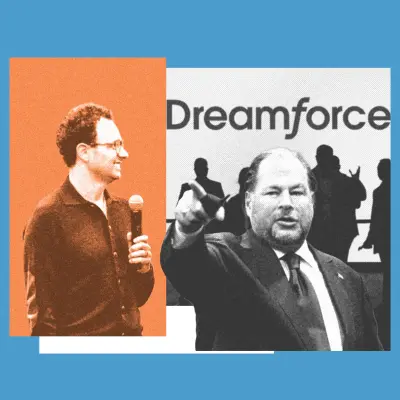
Jack Conte, the CEO of Patreon, has publicly criticized how artificial intelligence companies use creative work without paying for it. He argues that the legal defense used by these companies, known as "fair use," does not make sense in the current market. Conte believes that if AI firms are willing to pay large media corporations for data, they must also pay individual artists and writers. This statement highlights a growing tension between the tech industry and the people who create the content that powers modern AI tools.
Main Impact
The main impact of this statement is a direct challenge to the business models of major AI developers like OpenAI, Google, and Meta. For a long time, these companies have used public internet data for free to train their systems. However, Conte’s comments point out a major contradiction: these same companies are now signing multi-million dollar deals with big publishers. This shift suggests that data is a valuable product, not just something free for the taking. If individual creators gain the same rights as big publishers, it could change how the entire AI industry operates and how much it costs to build new software.
Key Details
What Happened
During a recent discussion about the future of the creative economy, Jack Conte labeled the "fair use" argument used by AI companies as "bogus." Fair use is a legal rule that sometimes allows people to use copyrighted material without permission, usually for things like news reporting or teaching. AI companies claim that "reading" the internet to learn is a fair use of that data. Conte disagrees, saying that the act of training a commercial product on someone else's work requires a license and a payment.
Important Numbers and Facts
Patreon is a platform that helps over 250,000 creators earn money directly from their fans. These creators include podcasters, musicians, and visual artists. In recent months, AI companies have reportedly spent hundreds of millions of dollars to secure content from big names. For example, deals have been made with news organizations and social media sites to access their archives. Conte points out that while these large entities are getting paid, the millions of independent creators on platforms like Patreon are being left out of the conversation entirely.
Background and Context
To understand this issue, it helps to know how AI works. Large language models and image generators need to look at billions of examples of human writing and art to learn how to create their own. For years, tech companies "scraped" this data from the web without asking. Creators started to notice that AI could mimic their specific styles, sometimes even using their names in prompts. This led to a wave of anger among the creative community. They feel their hard work is being used to build tools that might eventually compete with them for jobs. The debate has moved from social media complaints into courtrooms and government offices around the world.
Public or Industry Reaction
The reaction to Conte’s comments has been strong. Many independent artists have praised him for standing up for their rights. They feel that tech giants have taken advantage of the open internet for too long. On the other side, some tech experts argue that if companies have to pay for every single piece of data, it will stop innovation. They worry that only the richest companies will be able to afford to build AI, which could create a monopoly. However, the legal mood seems to be shifting. More lawmakers are starting to look at "provenance" and "consent," which are ways to track where data comes from and ensure the owner agreed to its use.
What This Means Going Forward
Moving forward, we are likely to see more legal battles over copyright. If courts decide that AI training is not fair use, AI companies will need to find new ways to get data. This could lead to a "creator-first" model where platforms like Patreon or YouTube negotiate on behalf of their users. It might also lead to the creation of new tools that allow artists to "opt-out" of AI training. The goal for people like Conte is to create a system where technology and human creativity can live together without one side exploiting the other. This will likely require new laws that specifically address how digital content is handled in the age of machine learning.
Final Take
The argument over AI training data is about more than just money; it is about the value of human effort. When a CEO of a major platform calls a common industry practice "bogus," it signals a breaking point. The tech industry can no longer ignore the people who provide the raw material for their products. As AI continues to grow, the demand for fair pay and clear rules will only get louder. The future of the internet may depend on finding a balance that rewards both the people who build the technology and the people who create the art that makes that technology useful.
Frequently Asked Questions
What is fair use in AI?
Fair use is a legal idea that allows the use of copyrighted work without a license under certain conditions. AI companies argue that using data to "train" a model is a new and different use that should be allowed for free.
Why is the Patreon CEO upset?
Jack Conte is upset because AI companies are paying large corporations for content but using the work of independent creators for free. He believes this is unfair and that all creators should be paid if their work is used.
Will AI companies start paying artists?
It is not yet certain. While some companies are starting to sign licensing deals with big publishers, many are still fighting in court to avoid paying individual artists and writers. New laws may be needed to change this.