
Summary
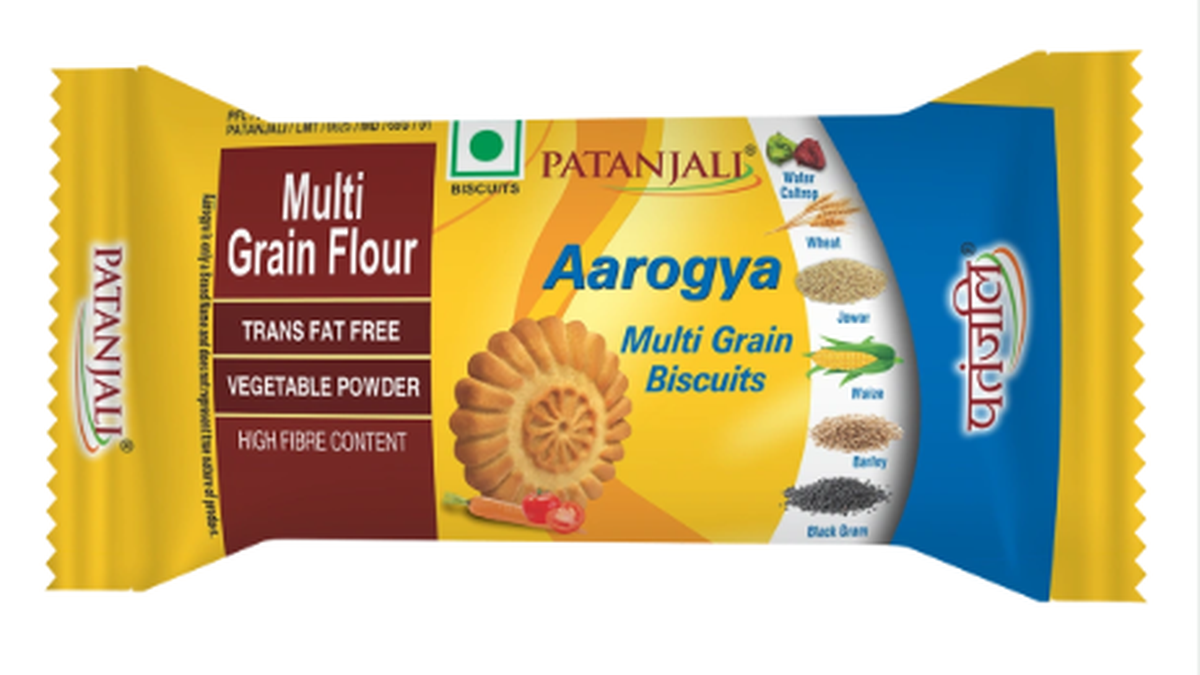
Hatsun Agro Product Ltd. has lost a long-running legal battle against Patanjali Ayurved Ltd. regarding the use of the brand name "Aarogya." The Madras High Court recently dismissed an appeal that Hatsun had filed several years ago to stop Patanjali from using the name on its biscuit products. This ruling marks a significant moment in trademark law, as it involves two of India’s largest consumer goods companies fighting over a word that means "health."
Main Impact
The decision by the Madras High Court allows Patanjali to continue selling its biscuits under the "Aarogya" brand without legal interference from Hatsun. This outcome is important because it sets a limit on how much control a company can have over common words. For Hatsun, the loss means they cannot claim exclusive rights to the "Aarogya" name across all food categories. For the wider industry, it serves as a reminder that descriptive words—words that describe a benefit like health—are harder to protect than unique, made-up brand names.
Key Details
What Happened
The legal fight started because Hatsun Agro Product Ltd. believed that Patanjali’s use of the word "Aarogya" for biscuits was too similar to its own "Arokya" brand. Hatsun is famous for its "Arokya" milk and curd products, which have a very strong presence in South India. When Patanjali launched "Aarogya" biscuits, Hatsun went to court to protect its trademark. They argued that customers might get confused and think the biscuits were made by Hatsun. However, the court found that the products were different and the spellings were not identical.
Important Numbers and Facts
The specific case dismissed by the court was an "original side appeal" that Hatsun filed in 2020. This appeal was a challenge to an earlier decision that had also gone against Hatsun. The Division Bench of the Madras High Court, which is a higher group of judges, reviewed the facts and decided to uphold the previous ruling. Hatsun has been using the "Arokya" brand for over two decades, primarily for dairy, while Patanjali uses "Aarogya" for a wide range of health-focused products, including herbal medicines and food items.
Background and Context
To understand this case, it is helpful to know how trademarks work. A trademark is a legal protection that prevents other people from using a name or logo that is too similar to yours. This is meant to stop companies from tricking customers. However, the law is often more flexible when it comes to words that are part of everyday language. The word "Aarogya" or "Arokya" comes from Sanskrit and means "health" or "freedom from disease."
Because many people use this word to talk about wellness, courts are often careful about letting one company own it completely. If a company makes up a brand name that has no meaning, like "Google" or "Exxon," they get very strong protection. But if a company uses a word like "Health" or "Pure," they often have to accept that other companies might use similar words for different products.
Public or Industry Reaction
The food and beverage industry has followed this case closely. Many business experts believe the court made a fair choice. They point out that a person buying milk is usually looking for a different brand experience than someone buying biscuits. While Hatsun is a leader in the dairy market, Patanjali has built its entire brand around the idea of traditional health and "Ayurveda." Industry analysts suggest that this ruling prevents any single company from having a monopoly on words that suggest a product is healthy.
What This Means Going Forward
Patanjali can now move forward with its marketing plans for its biscuit line without the threat of this specific lawsuit. They will likely continue to use the "Aarogya" name to appeal to customers who want healthy snacks. Hatsun, on the other hand, will remain a dominant force in the dairy industry with its "Arokya" brand, but they may be more cautious about suing competitors over similar names in the future. This case might also encourage other companies to choose more unique names if they want to avoid long and expensive legal battles in the courts.
Final Take
The dismissal of Hatsun’s appeal shows that while brand protection is vital, it has its limits. The court decided that the similarity between "Arokya" and "Aarogya" was not enough to stop Patanjali from selling its biscuits. This case highlights the difficulty of trademarking common words and ensures that the market remains open for different companies to use traditional terms for their products. It is a clear win for Patanjali and a lesson in trademark law for everyone else in the consumer goods business.
Frequently Asked Questions
Why did Hatsun sue Patanjali?
Hatsun sued because they felt Patanjali’s "Aarogya" biscuits were using a name too similar to Hatsun’s "Arokya" milk brand, which could confuse shoppers.
What did the Madras High Court decide?
The court dismissed Hatsun's appeal, allowing Patanjali to keep using the "Aarogya" name for its biscuits.
What does the word Aarogya mean?
The word comes from Sanskrit and means "health" or "being free from disease," which is why many health-related brands want to use it.



