
Summary
Well-known actor and director Radhakrishnan Parthiban has approached the Madras High Court to obtain a formal "no caste, no religion" certificate. The actor expressed frustration with the Tamil Nadu government, claiming they have failed to act on a previous court order issued on June 10, 2025. This legal move highlights a growing desire among some citizens to officially remove social and religious labels from their legal identity. Parthiban’s petition seeks to hold the government accountable for its delay in processing such requests.
Main Impact
The primary impact of this case is the pressure it puts on the state government to create a clear legal path for people who wish to renounce their caste and religious identities. While India has a secular constitution, many government forms and services still require these details. Parthiban’s high-profile status brings public attention to the bureaucratic hurdles that prevent people from choosing a neutral identity. If the court rules in his favor, it could force the state to set up a standard procedure for all citizens who want similar certificates.
Key Details
What Happened
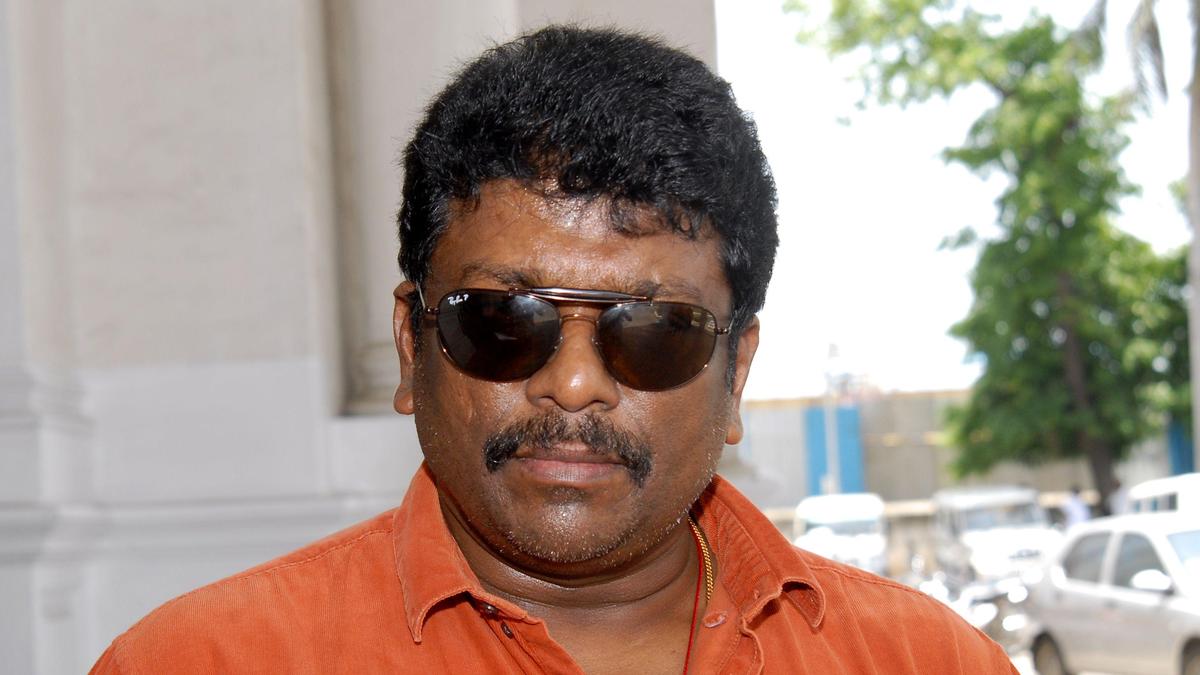
Actor Parthiban filed a petition in the Madras High Court because he has not received a response to his request for a "no caste, no religion" certificate. He stated that the state government is "sleeping over the matter," which means they are ignoring the issue despite a legal directive. The actor wants the court to ensure that the government follows the order passed by a Division Bench nearly a year ago. He believes that every individual should have the right to live without being tied to a specific group by birth.
Important Numbers and Facts
The legal history of this specific case traces back to a significant order passed on June 10, 2025. In that ruling, the High Court addressed the rights of individuals to identify as having no caste or religion. Parthiban is now using that specific date and ruling as the basis for his current legal action. While the exact number of people seeking these certificates is not public, several activists in Tamil Nadu have been fighting for this right for over a decade. The actor’s petition is the latest and most visible attempt to make this a standard legal right.
Background and Context
In India, caste and religion are often recorded at birth and used for various government purposes, such as school admissions, job applications, and social welfare programs. This system was designed to help the government provide support to groups that have faced historical unfairness. However, many people feel that these labels continue to divide society. They argue that if someone does not want to belong to a caste or religion, the state should respect that choice.
Tamil Nadu has a long history of social reform movements that challenge the caste system. In recent years, a few individuals have successfully fought legal battles to get these certificates. For example, a lawyer named Sneha became one of the first people in the state to officially receive a "no caste, no religion" certificate after a long struggle. Parthiban is following in these footsteps, using his platform to show that the current system makes it very difficult for an average person to change their official status.
Public or Industry Reaction
The reaction to Parthiban’s legal move has been largely positive among his fans and social activists. Many people on social media have praised him for practicing what he preaches, as his films often deal with social issues and human equality. Activists who support a casteless society see this as a major win for their cause, as a famous person can bring more eyes to the problem than a private citizen can.
On the other hand, some legal experts point out that the government faces practical challenges. They argue that the current administrative system is built entirely around these categories. Removing them for some people might complicate how the government tracks data or provides specific benefits. Despite these concerns, the general public sentiment is that the government should not ignore a direct order from the High Court.
What This Means Going Forward
Going forward, the Madras High Court will likely ask the Tamil Nadu government to explain why it has not acted on the 2025 order. This could lead to a new set of rules for the Revenue Department, which is usually responsible for issuing community certificates. If the government is forced to act, it will have to design a new type of document that officially recognizes a person’s choice to be neutral. This would be a major step toward personal freedom in legal identity.
There is also a risk that the government might continue to delay the process by citing technical difficulties. However, with a high-profile actor like Parthiban involved, the pressure to find a solution is much higher. Other citizens who have been waiting for similar certificates may now join the movement, leading to a larger group of people demanding the same rights.
Final Take
Parthiban’s legal battle is more than just a personal request; it is a challenge to a system that relies on old social divisions. By taking the government to court, he is asking for the right to be seen as a human being first, rather than a member of a specific group. The outcome of this case will show whether the state is ready to support a truly secular identity for its citizens or if it will continue to hold onto traditional labels.
Frequently Asked Questions
What is a "no caste, no religion" certificate?
It is an official document issued by the government that states a person does not belong to any specific caste or religion. It allows individuals to leave those sections blank on official forms.
Why is Parthiban taking the government to court?
He is taking legal action because the government has not responded to his request, even though the High Court previously ruled that such requests should be considered.
Is it legal to have no caste or religion in India?
Yes, the Indian Constitution allows for freedom of conscience. However, getting the government to officially record this on a certificate has been a difficult and slow legal process.



