
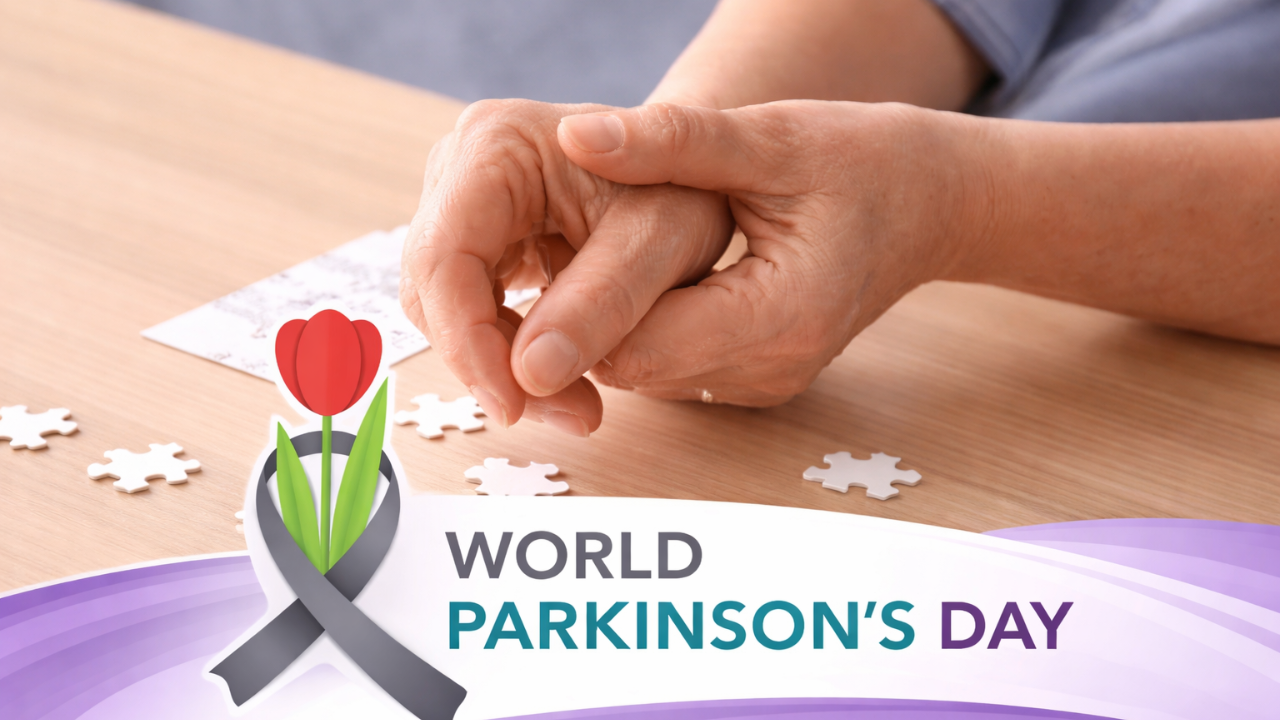
Summary
Parkinson’s disease is a brain condition that slowly gets worse over time, affecting how a person moves and feels. While many people associate the disease with shaking hands or tremors, these signs often appear only after the brain has been struggling for years. Early symptoms are frequently silent or easy to mistake for normal aging, such as changes in sleep patterns or mood. Understanding these early warning signs is vital for getting help sooner and improving the quality of life for those living with the disorder.
Main Impact
The most significant challenge with Parkinson’s disease is its hidden start. By the time a patient visits a doctor for visible shaking or stiff muscles, a large portion of the brain cells that produce dopamine have already stopped working. This delay in diagnosis means that many people miss out on early support that could help manage their symptoms more effectively. The impact goes beyond the individual, as families and caregivers must also adapt to the physical and emotional changes that come with the disease.
Key Details
What Happened
The story of many patients, like a man named Mr. Bipin, follows a similar path. It often starts with very small changes that are hard to notice. A person might find that their handwriting is getting smaller, or they might notice a slight stiffness in one arm while walking. In Mr. Bipin’s case, subtle tremors and a general slowing down of his movements were the first clear signs that something was wrong. These symptoms eventually led to a formal diagnosis of Parkinson’s disease, a condition that millions of people around the world face every day.
Important Numbers and Facts
Parkinson’s is considered the second most common brain disorder related to aging, following Alzheimer’s disease. It affects the nervous system and the parts of the body controlled by nerves. Experts estimate that nearly 10 million people worldwide are living with this condition. While it usually affects people over the age of 60, about 5% to 10% of patients experience "early-onset" Parkinson’s before they turn 50. Research shows that the brain may begin changing 10 to 20 years before the first physical tremor is ever seen.
Background and Context
To understand Parkinson’s, it helps to know how the brain controls the body. The brain uses a chemical called dopamine to send signals that coordinate movement. In a person with Parkinson’s, the cells that make dopamine begin to die off. Without enough dopamine, the brain cannot tell the muscles how to move smoothly or quickly. This leads to the well-known symptoms like shaking, slow movement, and balance issues.
However, the disease also affects parts of the brain that do not control movement. This is why patients often experience "non-motor" symptoms. These can include a lost sense of smell, chronic constipation, depression, and a specific type of sleep problem where people act out their dreams. Because these symptoms do not seem related to movement, they are often ignored or treated as separate health issues, delaying the discovery of the underlying brain disorder.
Public or Industry Reaction
Health experts and doctors are working hard to change how the public views Parkinson’s. For a long time, it was seen only as a "shaking disease." Today, medical professionals are pushing for a more complete view of the disorder. There is a growing movement to train family doctors to look for the silent signs, such as mood swings or changes in sleep, much earlier. Patient advocacy groups are also calling for more funding to find a way to stop the disease before it causes permanent damage to the brain.
What This Means Going Forward
The future of managing Parkinson’s depends on early detection. Scientists are looking for "biomarkers," which are clear signs in the blood or through brain scans that can prove the disease is present before tremors start. If doctors can catch the disease in its silent stage, new treatments might be able to slow down the loss of brain cells. For now, the best approach is a mix of medication, physical exercise, and mental health support. Staying active is one of the most helpful things a patient can do to keep their muscles strong and their brain engaged.
Final Take
Parkinson’s disease is a complex journey that starts long before it is visible to the eye. By learning to recognize the quiet signs that appear in the early years, we can provide better care and more hope for those affected. Awareness is the first step toward making sure no one has to face this silent progression alone. While there is currently no cure, knowing the facts helps patients take control of their health and live better lives for longer periods.
Frequently Asked Questions
What are the very first signs of Parkinson’s?
The earliest signs often include a reduced sense of smell, trouble sleeping, smaller handwriting, and constipation. These can appear years before any shaking or movement problems begin.
Is Parkinson’s disease only found in elderly people?
No. While it is most common in people over 60, younger adults can also be diagnosed. This is known as early-onset Parkinson’s and can affect people in their 30s or 40s.
Can exercise help with Parkinson’s symptoms?
Yes, exercise is very helpful. Activities like walking, swimming, or even dancing can help improve balance, flexibility, and mood, making it easier to manage the physical challenges of the disease.



