
Summary
Health experts in Goa are calling for a major update to how Parkinson’s Disease is managed across the state. The Goa chapter of the Parkinson’s Disease and Movement Disorder Society (PDMDS) believes a team-based approach is the only way to help patients effectively. They are also pushing for a state-wide patient registry to track who has the disease and what kind of help they need. This initiative aims to help people living in remote areas who currently struggle to access specialized medical care.
Main Impact
The proposed changes would change the lives of hundreds of families in Goa. Instead of just visiting a single doctor for medicine, patients would have access to a full team of experts. This includes physical therapists, mental health counselors, and speech experts. By creating a patient registry, the state can gather hard evidence to show the government why more funding is needed. This would lead to better availability of medicine and more support for those living in the countryside who often feel forgotten by the current health system.
Key Details
What Happened
On World Parkinson’s Day, experts highlighted a serious gap in medical care. Dr. Joanne D’Souza, a leader at the PDMDS Goa chapter, pointed out that the state relies too heavily on one main hospital: the Goa Medical College in Bambolim. Because there are so few brain specialists in the state, many patients have to travel long distances from places like Sattari, Canacona, and Quepem. These long trips make it very hard for families to keep up with regular doctor visits. Furthermore, many local family doctors are not trained to spot the early signs of the disease, which means many people are diagnosed much later than they should be.
Important Numbers and Facts
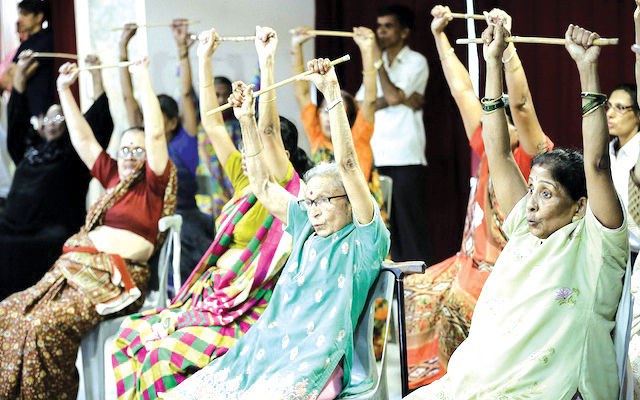
World Parkinson’s Day is held every year on April 11. This year, the global focus is on "Bridging the Care Gap." In Goa, the PDMDS already operates support groups in four main areas: Mapusa, Panaji, Margao, and Porvorim. These groups offer rehabilitation services for free. However, the society notes that many patients still cannot afford the necessary medications. Some of these drugs are expensive at private shops and are not always available for free at government-run pharmacies.
Background and Context
Parkinson’s Disease is a condition that affects the brain and makes it difficult for a person to control their body movements. It often starts with a small tremor in one hand or a feeling of stiffness. Over time, it can make walking and talking very difficult. In a small state like Goa, the medical system is often stretched thin. Most specialized care is found in the cities, leaving people in rural villages with very few options. Additionally, Parkinson’s is not just about physical movement; it also affects a person's mood and mental health. Currently, most care in Goa only focuses on the physical side, leaving the emotional and mental struggles of the patients unaddressed.
Public or Industry Reaction
Medical professionals and advocacy groups are urging the government to take notice. They argue that the current way of doing things is not sustainable. By training local doctors at Primary Health Centres, the state could catch the disease much earlier. Experts say that if a local doctor can recognize a "masked face" (where a person’s face looks very still) or a slow way of walking, they can send the patient to a specialist much faster. There is a strong push to make sure that the timing of medication is taken seriously, as Parkinson’s drugs must be taken at very specific times of the day to work correctly.
What This Means Going Forward
The next steps involve two main goals. First, the PDMDS wants to build a team of different health workers, such as nutritionists and occupational therapists, to work together. This "multidisciplinary" approach ensures the whole person is treated, not just their symptoms. Second, the creation of a Goa-specific patient registry will be a priority. This list will track how long it takes for people to get a diagnosis and whether they can get their medicine on time. This data will be used to ask the government for more resources and better insurance coverage for Parkinson’s treatments.
Final Take
Improving care for Parkinson’s in Goa requires more than just new medicine; it requires a new way of thinking. By bringing care closer to the people and using a team of experts, the state can ensure that no patient is left behind. The focus must shift from basic survival to helping patients live active, fulfilling lives despite their diagnosis. With better training for local doctors and a clear registry of patients, Goa has the chance to create a model of care that other states could follow.
Frequently Asked Questions
What is a multidisciplinary care model?
It is a system where a team of different experts—like doctors, physical therapists, and mental health counselors—work together to treat a patient. This ensures all parts of the patient's health are looked after.
Why does Goa need a patient registry?
A registry is a list that tracks patient data. It helps experts understand how many people have the disease and what challenges they face. This information is used to convince the government to provide more help and funding.
Where can Parkinson’s patients find free help in Goa?
The PDMDS Goa chapter runs free support and rehabilitation groups in four locations: Mapusa, Panaji, Margao, and Porvorim. These groups help patients manage their symptoms through exercise and community support.



