
Summary
A former high-ranking Pakistani diplomat, Abdul Basit, has sparked a fresh wave of tension between India and Pakistan. In a recent statement, Basit suggested that Pakistan would consider striking major Indian cities like Mumbai and New Delhi if its nuclear weapons were ever under threat. India’s ruling Bharatiya Janata Party (BJP) responded quickly and firmly to these comments. The party stated that such threats show Pakistan’s continued reliance on terrorism and its inability to function as a peaceful neighbor. This exchange highlights the deep-seated distrust and the fragile security situation in South Asia.
Main Impact
The primary impact of this development is a sharp increase in diplomatic heat between the two nuclear-armed nations. When a former official who once represented his country in India makes such aggressive remarks, it sends a negative signal to the international community. The BJP’s strong rebuttal serves to remind the world of India’s stance on state-sponsored terrorism. By calling Pakistan "rattled," the Indian government is suggesting that these threats come from a place of weakness rather than strength. This situation makes the possibility of any peaceful dialogue in the near future even more unlikely.
Key Details
What Happened
Abdul Basit, who served as Pakistan’s High Commissioner to India, spoke about his country's nuclear strategy in a way that many found alarming. He claimed that if Pakistan felt its nuclear capabilities were being targeted or put at risk, it would respond by attacking India's most important urban centers. Specifically, he named Mumbai, the financial heart of India, and New Delhi, the political capital. These comments were seen as a direct provocation by Indian leaders and security experts.
Important Numbers and Facts
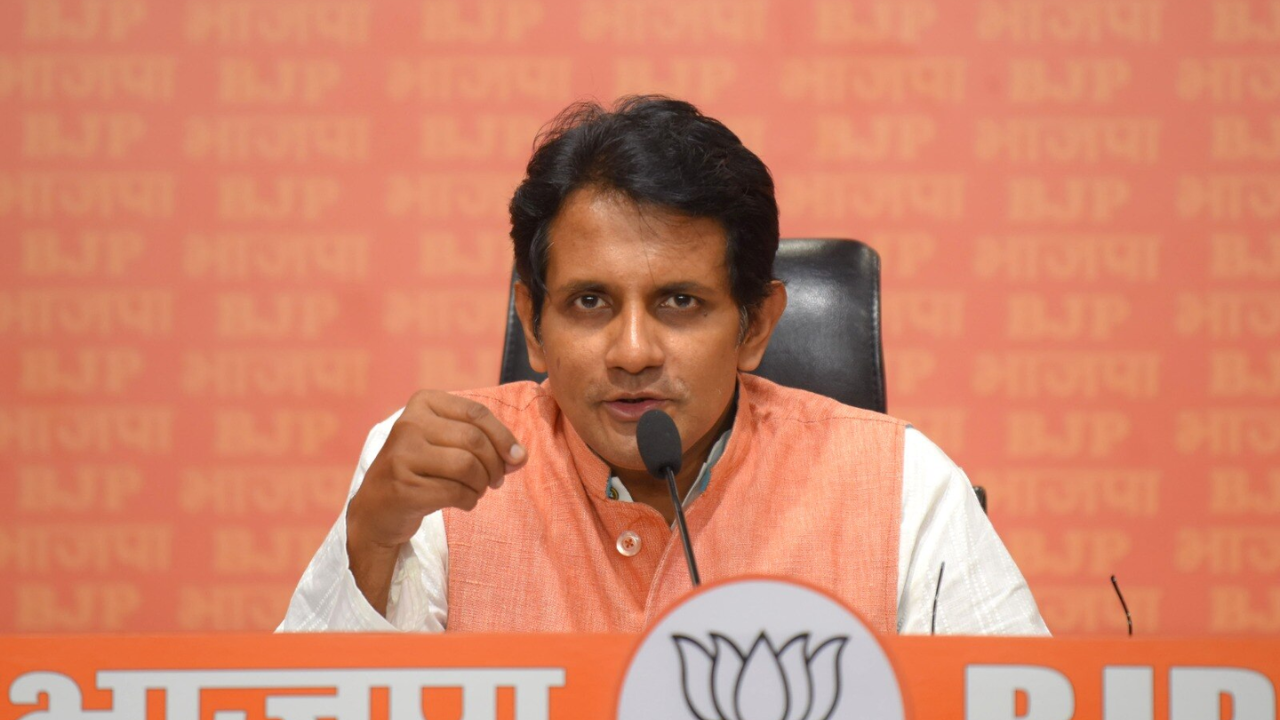
The BJP spokesperson did not hold back in the party's official response. They argued that terrorism is "ingrained" in the nature of the Pakistani establishment. The spokesperson pointed out that Pakistan is currently facing significant internal challenges, including economic problems and political instability. According to the BJP, these external threats are an attempt to distract the Pakistani public from their own domestic troubles. The mention of Mumbai is particularly sensitive, as the city was the site of a major terror attack in 2008 that India blamed on groups based in Pakistan.
Background and Context
To understand why these comments are so serious, one must look at the history between the two countries. India and Pakistan have fought several wars since they became independent in 1947. Both nations tested nuclear weapons in the late 1990s, which changed the way they interact. Nuclear weapons are usually seen as a way to prevent war, a concept known as deterrence. However, when officials talk about using them to strike cities, it creates a lot of fear and anger.
India has long maintained a "No First Use" policy, meaning it promises not to use nuclear weapons unless it is attacked with them first. Pakistan has not made such a promise. Over the last few decades, India has frequently accused Pakistan of using terror groups as a tool of foreign policy. This is why the BJP spokesperson said that Pakistan "cannot survive without terrorism." From India's perspective, these threats are just another version of the same old hostile behavior.
Public or Industry Reaction
The reaction in India has been one of widespread condemnation. On news channels and social media, many people expressed that Basit’s comments were irresponsible for someone who once held a high diplomatic post. Security analysts have noted that such talk does nothing to help Pakistan’s image on the global stage, especially when it is trying to seek financial help from international organizations. Within the political sphere, the BJP’s firm stance has been supported by various groups who believe that India must show strength when faced with nuclear blackmail. There is a general feeling that Pakistan is trying to use its nuclear status to cover up its internal failures.
What This Means Going Forward
In the coming months, we can expect India to maintain a very strict security posture. The government will likely use these comments to further its argument at the United Nations and other global forums that Pakistan remains a threat to regional peace. For Pakistan, such statements might lead to more pressure from the international community to prove it is a responsible nuclear power. The risk of a small incident turning into a larger conflict remains a concern for many world leaders. For now, the door to any friendly talks seems to be firmly shut, as both sides continue to exchange harsh words.
Final Take
The exchange between Abdul Basit and the BJP is a clear sign that the relationship between India and Pakistan is far from being fixed. While the words of a former diplomat may not represent official government policy, they reflect a mindset that keeps the region on edge. India’s response shows that it will no longer ignore such threats and will continue to link Pakistan’s actions to the issue of terrorism. As long as this kind of talk continues, the hope for a stable and peaceful South Asia remains a distant dream.
Frequently Asked Questions
Who is Abdul Basit?
Abdul Basit is a former Pakistani diplomat who served as the High Commissioner of Pakistan to India. He was a key figure in diplomatic talks between the two countries during his time in office.
What cities did the former envoy threaten?
He specifically mentioned Mumbai and New Delhi as potential targets if Pakistan's nuclear assets were ever threatened. These are India's most important financial and political cities.
How did the BJP respond to these threats?
The BJP stated that Pakistan is "rattled" and that it cannot survive without relying on terrorism. They argued that such comments show that terrorism is a core part of how the Pakistani establishment operates.



