Summary
Pakistan recently carried out several air attacks inside Afghanistan, targeting areas near the border. The Pakistani government stated that these strikes were a direct response to a series of deadly suicide bombings that have killed soldiers and civilians within its borders. This event marks a serious increase in tension between the two neighboring countries, as both sides struggle to agree on how to handle security along their shared boundary.
Main Impact
The primary impact of these strikes is a breakdown in the relationship between the Pakistani government and the Taliban-led government in Afghanistan. For a long time, the two nations have argued over who is responsible for the violence in the region. These latest military actions show that Pakistan is now willing to use force inside Afghan territory to stop groups it considers a threat. This has led to a high state of alert along the border and has caused fear among the people living in those areas.
Key Details
What Happened
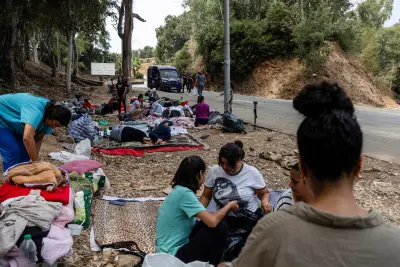
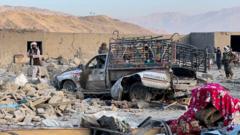
The Pakistani military used aircraft to hit specific locations in the provinces of Khost and Paktika. These areas are very close to the line that separates the two countries. Pakistan claimed that the targets were hideouts for a group known as the Tehrik-i-Taliban Pakistan (TTP). They believe this group uses Afghan land to plan and launch attacks against Pakistani targets. The Afghan government, however, reported that the strikes hit the homes of ordinary people and caused the deaths of women and children.
Important Numbers and Facts
The strikes followed a major attack in Pakistan’s North Waziristan region, where a suicide bomber killed seven soldiers. Reports from Afghan officials suggest that at least eight people died in the Pakistani air strikes. Over the past year, Pakistan has seen a 60% increase in terror attacks, many of which they blame on groups operating from across the border. The border between the two countries, known as the Durand Line, stretches for about 2,600 kilometers and remains one of the most monitored and dangerous areas in the world.
Background and Context
To understand why this is happening, it is important to look at the history of the region. Pakistan and Afghanistan have shared a difficult relationship for many years. When the Taliban took control of Afghanistan in 2021, many people in Pakistan hoped it would lead to better security. However, the opposite has happened. A group called the TTP, which is separate from the Afghan Taliban but shares a similar ideology, has become more active.
Pakistan claims that the TTP has found a safe place to stay in Afghanistan. They want the Afghan Taliban to arrest these fighters or hand them over. The Afghan Taliban denies that they allow any group to use their land to attack other countries. They say that Pakistan’s security problems are internal and should be solved within Pakistan’s own borders. This disagreement has led to many small fights at the border and now to these larger air strikes.
Public or Industry Reaction
The reaction from the Afghan government was immediate and angry. They called the strikes a "reckless" act that violates the sovereignty of their nation. They warned that such actions could lead to consequences that neither side wants. In Pakistan, the government and military leaders have stood firm. They say their first duty is to protect their own people and that they will not allow any group to kill Pakistani citizens without a response.
International observers are worried that this could lead to a larger war. Many countries have asked both sides to show restraint. They fear that if the fighting gets worse, it will make it harder to provide food and medicine to people in the region who are already suffering from poverty.
What This Means Going Forward
In the coming weeks, we can expect to see more security at the border crossings. This often leads to the closing of trade routes, which makes food and goods more expensive for people in both countries. There is also a risk that the TTP will try to launch more attacks in Pakistan as revenge for the air strikes. This creates a cycle of violence that is hard to stop.
Diplomatic talks will be necessary to prevent the situation from getting worse. However, trust between the two governments is at an all-time low. If Afghanistan does not take steps to address Pakistan's security concerns, more military actions could occur. At the same time, if Pakistan continues to hit targets inside Afghanistan, it may find itself in a long-term conflict with the Taliban government.
Final Take
The air strikes by Pakistan show how desperate the security situation has become in the region. While Pakistan feels it must act to stop suicide bombings, attacking another country’s land is a serious step that brings new risks. True safety will likely only come when both nations find a way to work together against shared threats. Until then, the people living along the border remain caught in the middle of a dangerous dispute.
Frequently Asked Questions
Why did Pakistan attack Afghanistan?
Pakistan launched the attacks as a response to suicide bombings that killed several of its soldiers. They believe the people responsible for these bombings are hiding in Afghanistan.
What is the TTP?
The TTP, or Tehrik-i-Taliban Pakistan, is a militant group that wants to change how Pakistan is governed. They often use violence to fight against the Pakistani military and police.
How has Afghanistan responded to the strikes?
The Afghan government has condemned the strikes, saying they killed civilians and violated their country's borders. They have warned Pakistan that these actions will hurt the relationship between the two nations.