Summary
The Indian National Congress has expressed strong criticism of the central government’s foreign policy on the first anniversary of the Pahalgam terror attack. Party leaders claim that Pakistan has managed to improve its international standing despite its history of supporting terrorism. They argue that while Pakistan was once seen as a global outcast after the 2008 Mumbai attacks, it has now regained a level of respectability that harms India's interests. This shift is being described by the opposition as a major failure of Prime Minister Narendra Modi’s diplomatic strategy.
Main Impact
The primary impact of this statement is a renewed political debate over how India handles its neighbor. The Congress party is highlighting a gap between the government’s strong words and the actual diplomatic results on the world stage. By pointing out that Pakistan is no longer as isolated as it once was, the opposition is questioning the effectiveness of India's efforts to pressure Pakistan internationally. This criticism comes at a sensitive time, as the nation remembers the victims of the violence that took place in Jammu and Kashmir exactly one year ago.
Key Details
What Happened
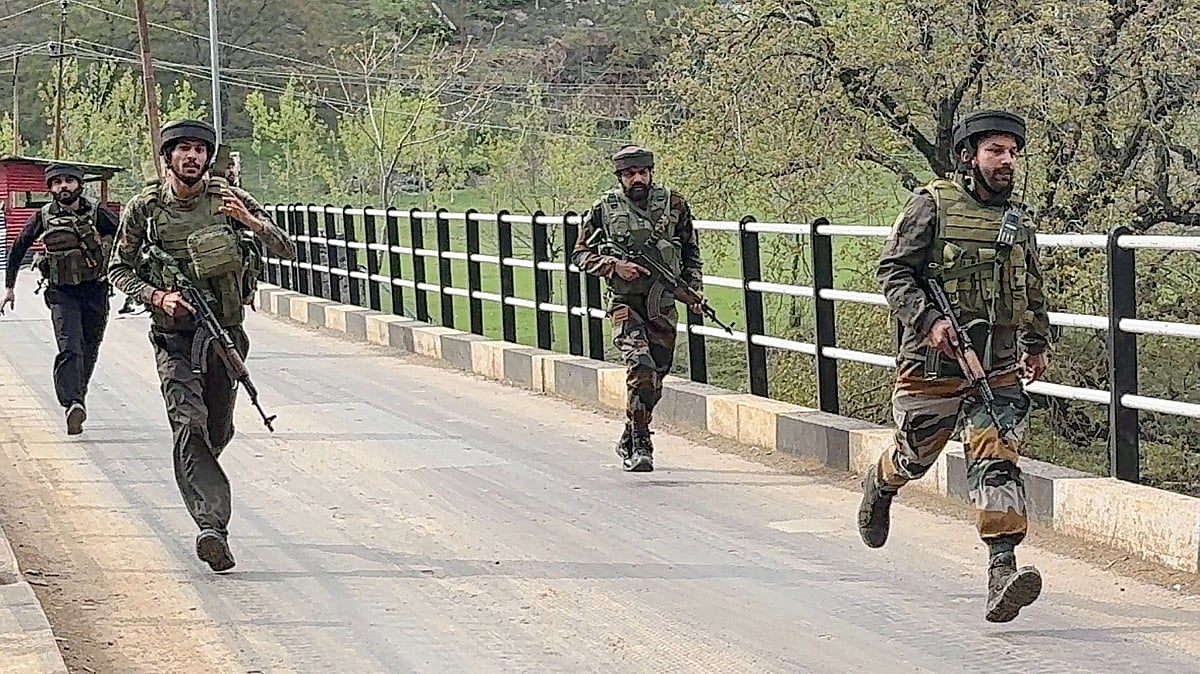
On April 22, 2025, a major terror attack took place in Pahalgam, a popular tourist destination in Jammu and Kashmir. The attack was carried out by Lashkar-e-Taiba, a group based in Pakistan. The violence resulted in the deaths of 26 people, most of whom were tourists visiting the region. One of the most tragic stories from that day involved a local worker, known as a ponywallah, who was killed while bravely trying to protect a tourist from the attackers. While the individuals who carried out the shooting were caught or killed by security forces months later, the political fallout continues to grow.
Important Numbers and Facts
The anniversary marks one year since the tragedy that shook the nation. During the event, 26 lives were lost, creating a wave of grief across the country. In response to the attack, the Indian military launched a significant counter-action known as "Operation Sindoor." This operation targeted terrorist camps and military structures located within Pakistan and Pakistan-occupied Kashmir. Despite these military actions, Congress leader Jairam Ramesh pointed out that the Lieutenant Governor of Jammu and Kashmir had previously admitted there was a failure in gathering intelligence before the attack occurred. The party is now asking what specific steps were taken to fix those security gaps.
Background and Context
To understand this criticism, it is helpful to look back at the history of India-Pakistan relations. After the 2008 Mumbai attacks, India was successful in making sure the rest of the world saw Pakistan as a state that supported terror. For many years, Pakistan faced heavy pressure from global organizations and other countries. However, the Congress party argues that this pressure has weakened. They point out that even though Pakistan’s economy is in very bad shape and its government is unstable, other countries are still dealing with them in a way that gives them "respectability." The opposition believes that India's current foreign policy focuses too much on the Prime Minister's personal image and not enough on the hard work of keeping Pakistan isolated.
Public or Industry Reaction
The reaction from the Congress party has been sharp and direct. Jairam Ramesh used social media to share his thoughts, stating that April 22 would always be a day of pain for Indians. He described Pakistan as a "failed state" where the Army still holds most of the power. He criticized the government's diplomatic style, calling it "self-glorifying" and lacking real substance. The party has called for a complete "reset" or change in how India handles its foreign affairs. However, they also expressed doubt that the current government would be willing to change its approach, suggesting that the current path will likely continue despite these criticisms.
What This Means Going Forward
Moving forward, this debate will likely influence how the government talks about national security and foreign relations. The mention of an "intelligence failure" by a high-ranking official is a serious point that the opposition will continue to use. It suggests that even with strong military responses like Operation Sindoor, there are still internal security problems that need to be solved. If Pakistan continues to find support from other global powers, India may need to find new ways to use its influence. The focus will remain on whether India can balance its military strength with a diplomatic strategy that produces long-term results in stopping cross-border terrorism.
Final Take
The anniversary of the Pahalgam attack serves as a reminder of the human cost of terrorism and the ongoing struggle to secure the region. While military responses provide a sense of justice, the political argument over global diplomacy shows that the conflict with Pakistan is fought on many levels. The challenge for India remains how to ensure that those who support violence are held accountable by the entire world, not just by India alone.
Frequently Asked Questions
What was the Pahalgam terror attack?
The Pahalgam terror attack happened on April 22, 2025, in Jammu and Kashmir. It was carried out by the group Lashkar-e-Taiba and resulted in the deaths of 26 people, including many tourists.
What was Operation Sindoor?
Operation Sindoor was a military response by India following the Pahalgam attack. It targeted terror camps and military infrastructure located in Pakistan and Pakistan-occupied Kashmir.
Why is the Congress party criticizing the government's foreign policy?
The Congress party argues that the government has failed to keep Pakistan globally isolated. They claim that Pakistan has gained more international respect recently, which they see as a failure of India's diplomatic efforts.