
Summary
College professors across the United States are bringing back a very old testing method to fight a modern problem. As more students use artificial intelligence like ChatGPT to complete their homework, educators are turning to oral exams. These face-to-face tests require students to explain their work out loud without using any technology. This shift aims to ensure that students are actually learning and not just letting a computer do the thinking for them.
Main Impact
The rise of AI has made it difficult for teachers to know if a student wrote an essay or if a chatbot did it. Many professors have noticed that while written assignments are coming back perfect, students often cannot explain the logic behind their answers when asked in person. By moving toward oral assessments, universities are trying to protect the value of a college degree. This change forces students to engage deeply with their subjects and helps them build communication skills that are vital for their future careers.
Key Details
What Happened
At Cornell University, Professor Chris Schaffer has introduced an "oral defense" for his biomedical engineering class. Instead of just grading written homework, he and his assistants sit down with students for 20-minute sessions. During these meetings, they ask questions to see if the student truly understands the engineering concepts. Similarly, at the University of Pennsylvania, professors are pairing written papers with oral tests to make sure students are not losing their ability to think critically.
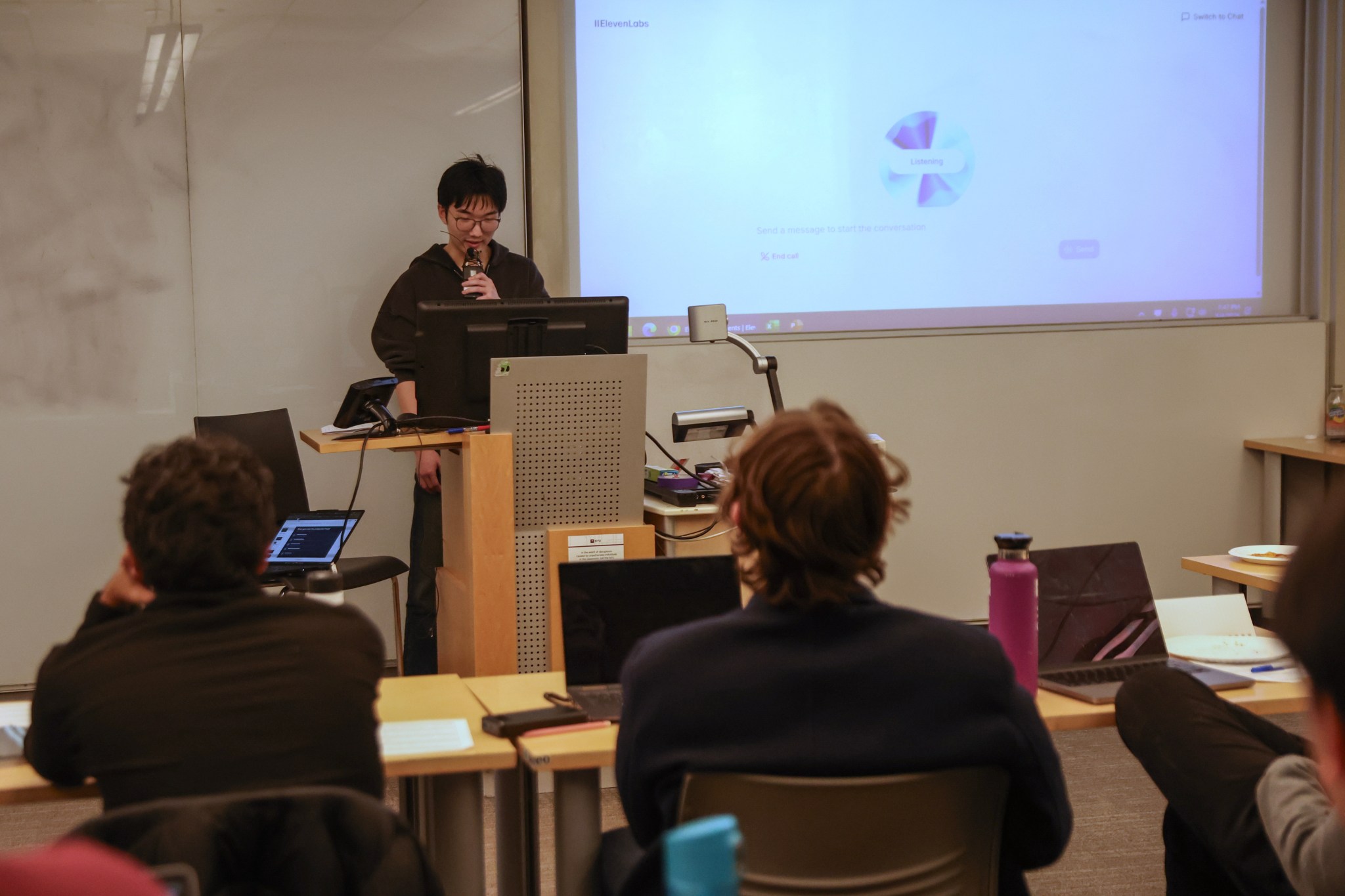
Some schools are even using technology to solve the problems caused by technology. At New York University, Professor Panos Ipeirotis uses an AI-powered voice bot to conduct oral exams. Students talk to a computer that sounds like a real person. The bot asks questions about their projects and gives them feedback. This allows the professor to test many students at once while still making sure they did the work themselves.
Important Numbers and Facts
The shift is happening at some of the most famous schools in the country, including Ivy League institutions. At Cornell, the oral defense is used for a class of 70 students, with sessions lasting about 20 minutes each. Another engineering course at the same school uses four-minute mock interviews for a much larger class of 180 people. Research into how to make these exams work for large groups has been ongoing for three years at the University of California, San Diego. These efforts show that the move toward talking-based tests is a growing trend in higher education.
Background and Context
For a long time, American colleges relied heavily on take-home essays and digital exams. This worked well until generative AI became widely available in late 2022. Now, anyone can type a prompt into a computer and get a high-quality essay in seconds. This has created a crisis in classrooms. Teachers worry that if students stop doing the hard work of thinking, they will not develop the skills they need for the real world.
Oral exams are not a new idea. They have been used for centuries and are still common in many European universities. In the past, they were often used for graduate students finishing their degrees. Now, because of the pressure from AI, these methods are being brought down to the undergraduate level to help teachers verify that learning is actually happening.
Public or Industry Reaction
The reaction from students has been a mix of nerves and appreciation. Many students admit that oral exams are much more stressful than writing a paper at home. However, some say it helps them stay focused. One student at Cornell mentioned that it is much harder to look a teacher in the eye and admit you do not know something than it is to turn in a computer-generated paper. This accountability pushes them to study harder.
Some experts worry about students who are very shy or have high levels of anxiety. They argue that oral exams might be unfair to people who struggle with public speaking. To help with this, some professors start with easy questions to make the student feel comfortable. Others believe that learning to speak about your work is a skill that everyone needs to learn, even if it is difficult at first.
What This Means Going Forward
In the future, we can expect to see fewer take-home assignments and more in-person testing. Universities are already holding workshops to teach faculty how to give oral exams effectively. As AI continues to get better, the "human element" of education will likely become more important. Schools will have to find a balance between using new technology and keeping old-fashioned methods that prove a student has done the work.
There is also a possibility that AI itself will become the tool used to give these exams. If voice-based AI can accurately judge a student's knowledge, it could allow large universities to test thousands of students without needing hundreds of extra teachers. However, the goal will remain the same: making sure that the person receiving the degree is the one who actually did the thinking.
Final Take
The return of the oral exam shows that technology cannot replace the need for real human understanding. While AI can write a perfect essay, it cannot replace the process of learning how to solve a problem or explain a complex idea. By talking to their students directly, teachers are making sure that education remains a personal and honest journey.
Frequently Asked Questions
Why are colleges switching to oral exams?
Colleges are using oral exams to prevent students from using AI to cheat on written homework. It is a way to make sure students actually understand the material they are studying.
Are oral exams harder for students?
Many students find them more stressful because they have to answer questions on the spot. However, some find them helpful because they get direct feedback and can show what they know through conversation.
Can AI be used to give oral exams?
Yes, some professors are already using AI voice bots to interview students. These bots can ask questions and follow up on answers, helping teachers test large numbers of students more quickly.



