
Summary
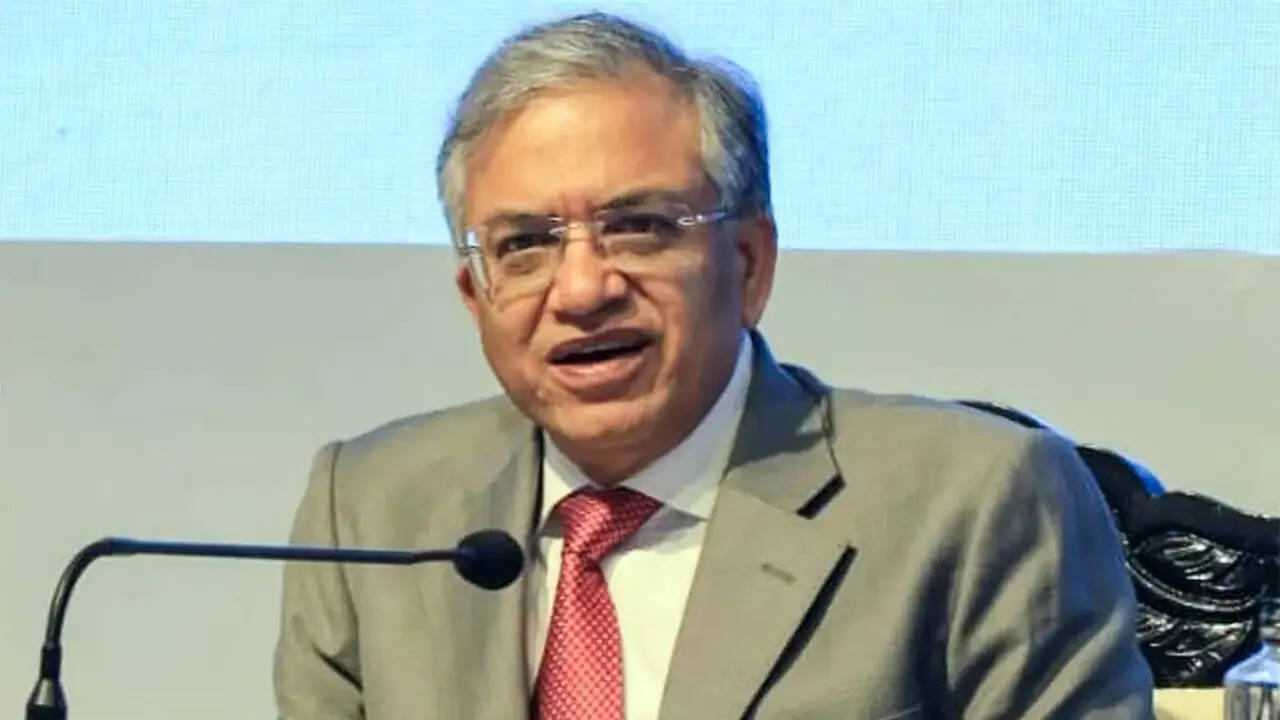
A group of opposition lawmakers has taken a major step to remove India’s Chief Election Commissioner (CEC), Gyanesh Kumar. Members of the Rajya Sabha, the upper house of Parliament, submitted a formal notice to the Secretary General calling for his removal. The notice includes nine specific allegations against Kumar, citing what the lawmakers call "proven misbehaviour." This move highlights a growing conflict between the opposition and the leadership of the country’s election body.
Main Impact
This development is significant because the Chief Election Commissioner holds one of the most important roles in a democracy. The CEC is responsible for making sure that elections are free and fair. By filing this notice, the opposition is publicly questioning the integrity and neutrality of the person in charge of the voting process. While the legal process to remove a CEC is very difficult and rare, the move creates a lot of political pressure. It forces a public discussion on how the Election Commission operates and whether it remains independent from the government’s influence.
Key Details
What Happened
The notice was officially handed over to the Rajya Sabha Secretary General by a group of 73 Members of Parliament (MPs). These MPs represent various opposition parties who have come together to voice their concerns. Under Indian law, removing a high-ranking official like the CEC requires a formal process that starts with such a notice. The opposition has listed nine new charges in their document, claiming that Kumar’s actions have not met the standards required for his office. They are using the legal term "proven misbehaviour" as the primary reason for seeking his ouster.
Important Numbers and Facts
The notice carries the signatures of 73 MPs. This number is important because, according to the rules of the Rajya Sabha, at least 50 members must sign a petition to start the process of removing a judge or an official with similar status, such as the CEC. By gathering 73 signatures, the opposition has shown they have more than enough support to meet the initial legal requirement. The document focuses on nine specific points of concern, though the full details of every charge have not yet been made public. This is the latest in a series of attempts by the opposition to challenge the current leadership of the Election Commission.
Background and Context
To understand why this is happening, it is important to look at how the Election Commission works. The Commission is an independent body that manages all national and state elections in India. In recent years, there has been a lot of debate about how the leaders of this body are chosen. A new law was passed that changed the selection process, giving the government a bigger say in who becomes the CEC. Many opposition parties argued that this change would make the Commission less independent. Gyanesh Kumar was appointed under this new system, and since then, he has faced constant criticism from those who feel the Commission is favoring the ruling party. The opposition believes that the only way to ensure fair elections is to have a leader who is seen as completely neutral by all sides.
Public or Industry Reaction
The reaction to this notice has been divided along political lines. Opposition leaders say they are acting to "save democracy" and ensure that the voices of voters are protected. They argue that if the person running the elections is biased, the entire democratic system is at risk. On the other side, supporters of the government and the Election Commission often view these moves as political tactics. They argue that the opposition is trying to discredit the election process because they are worried about losing. Legal experts note that the process of removal is very similar to the impeachment of a Supreme Court judge, meaning it requires a very high level of proof and a two-thirds majority in Parliament to succeed.
What This Means Going Forward
The next step rests with the Chairman of the Rajya Sabha. The Chairman must review the notice and decide whether there is enough evidence to move forward. If the notice is accepted, a special committee will be formed to investigate the nine charges against Gyanesh Kumar. This committee would usually include a senior judge and other legal experts. If the committee finds the charges to be true, the matter will then go to a vote in both houses of Parliament. However, if the Chairman rejects the notice, the process could stop right here. Regardless of the outcome, this move ensures that the conduct of the Election Commission will be a major topic of debate in the coming months, especially as the country prepares for future polls.
Final Take
The attempt to remove the Chief Election Commissioner is a serious and rare event in Indian politics. It shows a deep lack of trust between the opposition and the institutions that run the country. While the legal path to removing Kumar is long and full of hurdles, the political message is clear: a large part of the legislature is unhappy with how elections are being managed. This situation serves as a reminder that the independence of the Election Commission is vital for the health of a democracy. The world will be watching to see how the Rajya Sabha handles this notice and what it means for the future of Indian elections.
Frequently Asked Questions
How many MPs are needed to file a notice against the CEC?
In the Rajya Sabha, at least 50 Members of Parliament must sign the notice to start the process. In this case, 73 MPs have signed the document.
What does "proven misbehaviour" mean?
This is a legal term used in the Indian Constitution. It refers to actions by a high-ranking official that violate the duties of their office or involve illegal or unethical conduct.
Can the CEC be removed easily?
No, it is very difficult. The process is the same as removing a Supreme Court judge. It requires a special investigation and then a two-thirds majority vote in both the Lok Sabha and the Rajya Sabha.



