Summary
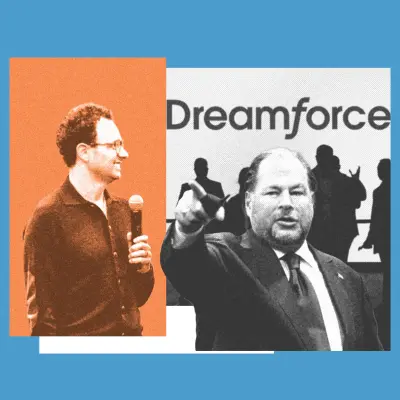
Two of the world’s leading artificial intelligence companies, Anthropic and OpenAI, are currently at odds over a new legal proposal in Illinois. The disagreement centers on a bill that would limit the legal responsibility of AI developers if their technology causes a major disaster. While OpenAI has voiced support for the measure, Anthropic is pushing back, arguing that the law would allow companies to avoid accountability for serious harm. This conflict highlights a growing divide in the tech industry regarding how to balance innovation with public safety.
Main Impact
The primary impact of this dispute is a split in how the AI industry views safety and risk. If the Illinois bill passes, it could set a major precedent for how other states and even the federal government handle AI accidents. By limiting the amount of money victims can claim or the reasons they can sue, the law would provide a safety net for big tech companies. However, critics and companies like Anthropic worry that this safety net will lead to less caution. They fear that if companies do not face heavy financial consequences for mistakes, they may be more likely to release dangerous tools into the public domain.
Key Details
What Happened
The state of Illinois is considering a new law that focuses on "extreme" AI liability. In legal terms, liability means being held responsible for damage or harm caused by a product. The bill is designed to protect AI labs from being sued into bankruptcy if their software is involved in a massive catastrophe. OpenAI has supported the bill, claiming it provides the legal certainty needed to keep developing new technology. Anthropic, a rival company that often focuses on AI safety, has taken the opposite side. They believe the bill is too soft on companies that might ignore risks in the race to build more powerful AI.
Important Numbers and Facts
The bill specifically addresses what it calls "catastrophic" events. This includes situations that could lead to mass deaths or the total collapse of financial markets. Under the proposed rules, AI companies would be protected from certain types of lawsuits if they can show they followed basic safety guidelines. This is often called a "safe harbor" rule. While the exact dollar amounts for liability limits are still being debated, the goal is to prevent multi-billion dollar lawsuits that could end a company's operations. Anthropic argues that these protections are too broad and do not do enough to protect the people who might be hurt by AI failures.
Background and Context
To understand why this matters, it helps to look at how other industries work. If a car company makes a vehicle with a broken engine that causes a crash, the company is usually held responsible. They have to pay for the damage and the injuries. In the world of software, the rules have always been a bit different. Most software comes with a long agreement that says the company is not responsible if something goes wrong. However, AI is much more powerful than a standard computer program. It can control power grids, manage bank accounts, and even help doctors make medical decisions. Because the stakes are so high, lawmakers are trying to figure out if the old software rules should still apply or if AI companies need to be held to a higher standard.
Public or Industry Reaction
The reaction to this bill has been divided. Many business groups and tech investors are in favor of the Illinois bill. They argue that AI is a new and unpredictable field. They believe that if a company could be sued for every mistake an AI makes, no one would ever want to start an AI business. They see the bill as a way to protect the economy and keep the United States ahead in the global tech race. On the other side, safety advocates and some tech experts are deeply concerned. They argue that the bill creates a "get out of jail free" card for big corporations. They believe that the threat of a massive lawsuit is the only thing that will force these companies to take safety seriously.
What This Means Going Forward
The outcome of this debate in Illinois will likely influence laws across the country. If the bill passes with OpenAI’s support, other states may copy the language to attract tech companies to their own regions. This could create a legal environment where AI companies are shielded from the most severe consequences of their work. If Anthropic and other critics succeed in blocking or changing the bill, it could lead to much stricter regulations. In the long run, this will determine how much risk the public has to accept as AI becomes a bigger part of daily life. The next steps involve more hearings and potential changes to the bill's language to find a middle ground between protection and responsibility.
Final Take
The fight between Anthropic and OpenAI shows that even the people building AI cannot agree on how to handle its dangers. While everyone wants to see technology improve, the question of who pays when things go wrong remains unanswered. Protecting companies might help the industry grow faster, but it could also leave the public at risk. A fair law must ensure that innovation continues without letting companies walk away from the damage they might cause.
Frequently Asked Questions
What is the main goal of the Illinois AI bill?
The bill aims to limit the legal responsibility of AI companies if their technology causes a major disaster, such as a financial crash or mass casualties.
Why does OpenAI support the bill?
OpenAI believes the bill provides clear rules and protects companies from extreme lawsuits that could stop them from developing new and helpful technology.
Why is Anthropic against the bill?
Anthropic argues that the bill gives AI companies too much protection and doesn't hold them accountable enough for the potential risks and harms their products might cause.