Summary
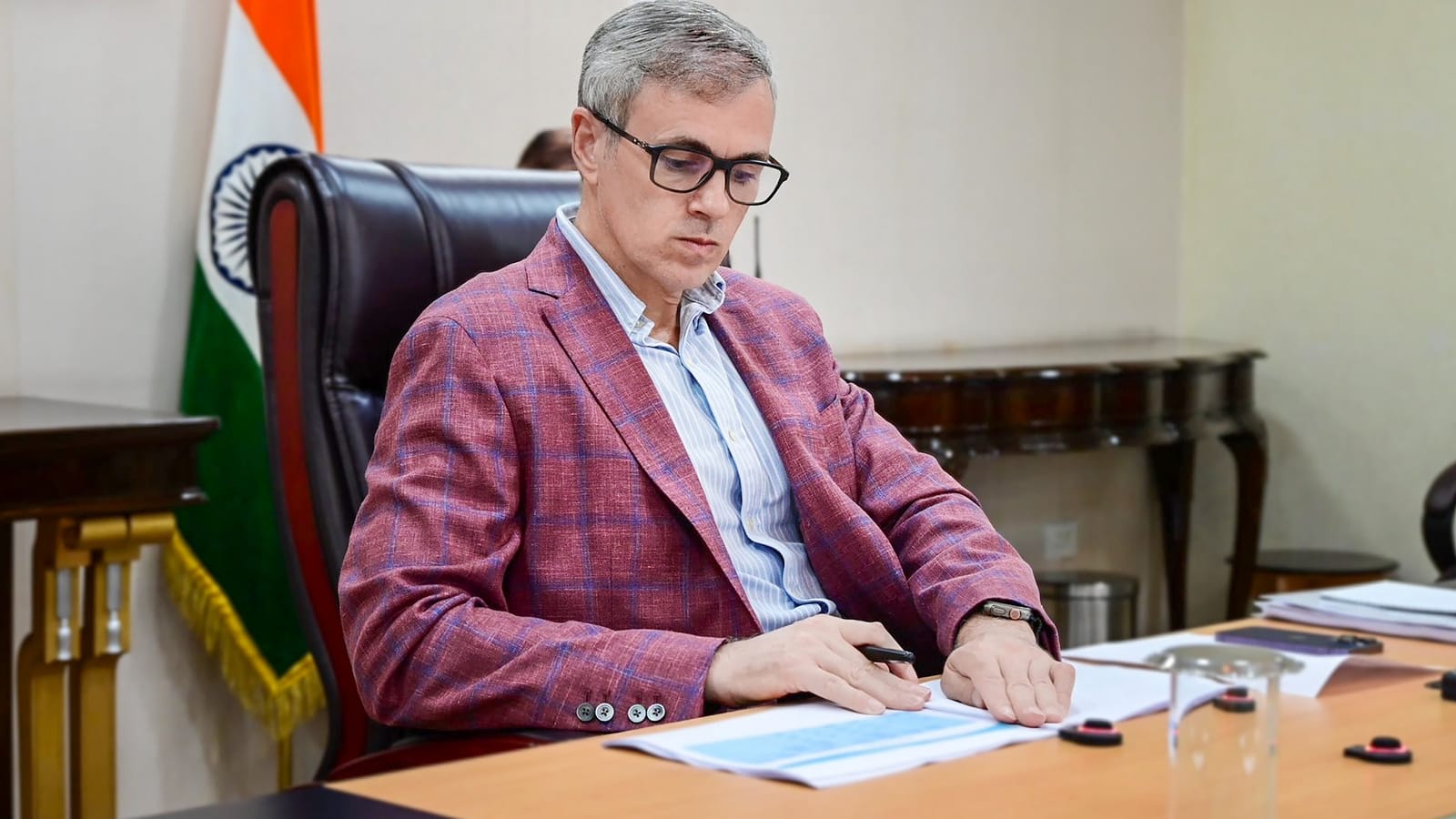
Jammu and Kashmir Chief Minister Omar Abdullah has accused the Bharatiya Janata Party (BJP) of targeting the family members of its political rivals. Speaking at a public event on April 20, 2026, Abdullah questioned why the party is focusing on relatives instead of competing fairly in elections. He claimed that when government agencies fail to find evidence against politicians, they begin to harass their family members. This statement highlights the ongoing political tension in the region between the local government and the central ruling party.
Main Impact
The main impact of these accusations is a rise in political tension within Jammu and Kashmir. By publicly naming the BJP and accusing them of using government power against families, Abdullah is making the political fight more personal. This move could change how voters see the central government’s role in the region. It also shifts the focus from simple policy debates to serious questions about the fairness of government actions and the use of investigative agencies.
Key Details
What Happened
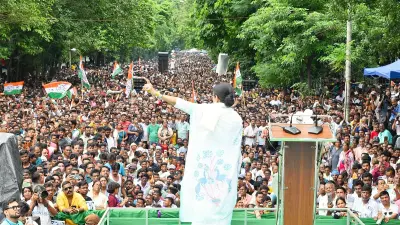
Chief Minister Omar Abdullah spoke to a large crowd in the Nowshera area of Rajouri district. During his speech, he expressed frustration with how the BJP handles its political opponents. He argued that the system seems weak if it cannot compete directly with rivals in the voting booth. Abdullah claimed that investigative actions are being used as tools to pressure leaders by going after their loved ones, even when there is no proof of wrongdoing.
He gave a specific example involving the Deputy Chief Minister, Surinder Kumar Choudhary. Abdullah alleged that Choudhary’s brother has faced unfair treatment from the administration. He claimed the brother was passed over for promotions that others in his group received. He also mentioned that the brother was moved to different job locations without any clear reason. Abdullah asked why a family member should suffer just because his relative won an election against a BJP candidate.
Important Numbers and Facts
While discussing the political situation, the Chief Minister also highlighted several key promises and government plans. These include:
- The provision of six free LPG gas cylinders every year for families with low incomes.
- A plan to offer free bus travel for women across the region.
- Steps to reduce electricity costs for households in a phased manner.
- Efforts to give permanent jobs to daily wage workers who have been waiting for years.
- Increasing the monthly pay for ASHA and Anganwadi workers who provide essential health and childcare services.
Background and Context
Jammu and Kashmir has gone through many political changes over the last few years. After a long period of being run directly by the central government, it now has its own elected leaders again. However, the relationship between the local leaders and the BJP, which runs the central government, remains very difficult. Opposition parties across India have often claimed that central agencies are used to target them, and these same complaints are now being heard loudly in Jammu and Kashmir.
The region is also dealing with many local issues. People are worried about high unemployment, the cost of living, and how the state is being managed. By talking about these welfare schemes alongside his political complaints, Abdullah is trying to show that his government is focused on the daily lives of the people while also fighting what he calls unfair political pressure.
Public or Industry Reaction
The BJP has not yet released a formal statement in response to these specific claims made in Nowshera. In the past, BJP leaders have consistently denied such accusations. They usually state that government agencies work independently and only follow the law. They often argue that if someone is being investigated, it is because there is a reason for it, not because of politics.
On the other side, supporters of the National Conference and other regional parties have praised Abdullah for speaking out. They feel that the local government needs to stand up against what they see as outside interference. In the local assembly, these disagreements have led to loud arguments and walkouts, showing how divided the political leaders are at this time.
What This Means Going Forward
Looking ahead, the relationship between the Chief Minister’s office and the central government is likely to stay tense. These accusations suggest that the local government will continue to challenge the central government’s actions in the region. We can expect more debates about the role of government agencies and how they treat political figures.
At the same time, the success of Abdullah’s government will depend on whether he can deliver the welfare benefits he promised. If the government can successfully provide free gas cylinders, better roads, and more jobs, it will gain more trust from the public. However, if the political fighting continues to get in the way of daily governance, it could lead to more frustration among the citizens who are waiting for real changes in their lives.
Final Take
The claims made by Omar Abdullah show a deep lack of trust between the regional government and the BJP. By accusing the opposition of targeting families, the Chief Minister is highlighting a very serious issue in modern politics. While the political battle continues, the people of Jammu and Kashmir are watching closely to see if their leaders can move past these arguments and focus on the growth and peace of the region.
Frequently Asked Questions
What is the main accusation made by Omar Abdullah?
He accused the BJP of targeting and harassing the family members of political rivals because they cannot win against them in direct elections.
Which specific person did the Chief Minister mention?
He mentioned the brother of Deputy Chief Minister Surinder Kumar Choudhary, claiming he was unfairly denied job promotions and moved to different work locations.
What welfare benefits did the government promise?
The government promised six free gas cylinders per year for poor families, free bus travel for women, and lower electricity bills for the public.