
Summary
A routine road construction project in Oman recently led to a major historical discovery. Workers in the Al Batinah region found a large cemetery containing graves that are nearly 3,000 years old. These burial sites date back to the Iron Age and offer a rare look at how ancient people lived and honored their dead. The find is significant because it highlights Oman’s long history as a center for trade and organized society.
Main Impact
This discovery changes how experts view the ancient history of the Al Batinah region. It proves that the area was home to a well-organized community with specific religious and social traditions. By finding these graves, historians can now better understand the social structure of the Iron Age. The items found inside the graves also show that these people were connected to wide trade networks, bringing in goods from distant lands. This find helps protect Oman’s cultural heritage while providing new data for scientists to study.
Key Details
What Happened
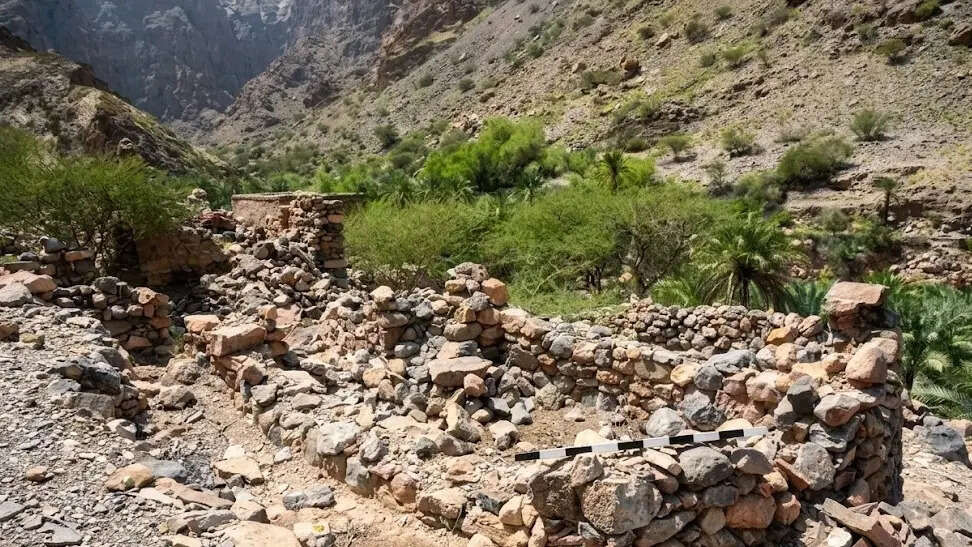
The discovery occurred while construction crews were digging for a new road. As the heavy machines moved the earth, they hit stone structures that did not look natural. The workers stopped their machines and alerted the local authorities. Experts from the Ministry of Heritage and Tourism arrived at the site and confirmed that the stones were part of ancient burial chambers. A full team of archaeologists was then brought in to carefully dig out the area without damaging the remains.
Important Numbers and Facts
The graves are estimated to be around 3,000 years old, placing them firmly in the Iron Age. This period in the region typically spans from 1200 BC to 300 BC. The cemetery consists of several stone-lined graves that were built with great care. Inside, researchers found human skeletal remains along with a variety of "grave goods." These items include clay pottery, stone bowls, and metal tools. The size of the cemetery suggests it served a large settlement that likely existed nearby for many years.
Background and Context
The Al Batinah region is a long strip of land along the coast of Oman. For thousands of years, it has been a vital area for farming and fishing. Because it sits right on the water, it was also a perfect spot for trade ships to stop. In the Iron Age, Oman was a major source of copper, which was a very valuable metal at the time. People in this era were starting to live in larger groups and build more permanent structures. Finding a cemetery like this shows that the people had a complex culture. They did not just bury their dead; they did so with specific rituals and items that they believed would be useful in the afterlife.
Public or Industry Reaction
The reaction to the find has been very positive. Government officials have praised the construction company for following the law and stopping work as soon as they found the stones. If the workers had continued, this piece of history might have been lost forever. Local residents are also interested in the find, as it connects them to the ancient people who lived on the same land thousands of years ago. In the scientific community, researchers are excited to use modern technology, such as DNA testing and carbon dating, to learn more about the health and diet of the people buried there.
What This Means Going Forward
The road construction project will likely be moved or delayed to ensure the site is fully protected. Archaeologists will continue to work at the site to see if there are more hidden graves or even the remains of an ancient village. The items found will be cleaned, studied, and eventually put on display in museums. This discovery will also lead to more careful checks of construction sites in the future. It serves as a reminder that as Oman builds new roads and cities, it must also work hard to save the stories of its past. The data gathered here will help historians write a more complete story of the Iron Age in the Middle East.
Final Take
This accidental find in Oman shows that history is often hidden just beneath the surface of our modern world. A simple road project has opened a door to the Iron Age, giving us a chance to learn about the people who lived 3,000 years ago. It highlights the importance of protecting ancient sites even as a country grows and develops. By saving these graves, Oman is keeping its rich history alive for future generations to see and study.
Frequently Asked Questions
How were the ancient graves discovered?
The graves were found by accident during a road construction project in the Al Batinah region of Oman when workers hit stone structures underground.
What items were found inside the graves?
Archaeologists found human skeletons along with pottery, stone vessels, and metal tools that were buried as part of ancient rituals.
Why is the Iron Age important in Oman?
The Iron Age was a time of growth in Oman when people built organized communities and participated in major trade routes involving copper and other goods.

