
Summary
The Lok Sabha witnessed a day of high tension on Tuesday as the Opposition moved a formal motion to remove Speaker Om Birla from his position. Led by the Indian National Congress, the move sparked a heated debate over parliamentary rules and who should lead the House during such a process. A total of 118 Members of Parliament signed the resolution, claiming the Speaker has acted in a one-sided manner. This development marks a significant moment of conflict between the government and the Opposition benches.
Main Impact
The primary impact of this move is a complete slowdown of regular parliamentary work as the House focuses on this internal leadership battle. The motion has forced a deep look into the rules of the Lok Sabha, specifically regarding who can preside over a session when the Speaker’s own role is being questioned. By allocating 10 hours for a full debate, the government has acknowledged the seriousness of the Opposition's claims, even as it defends the Speaker’s record. This event highlights the growing divide between the two sides of the aisle.
Key Details
What Happened
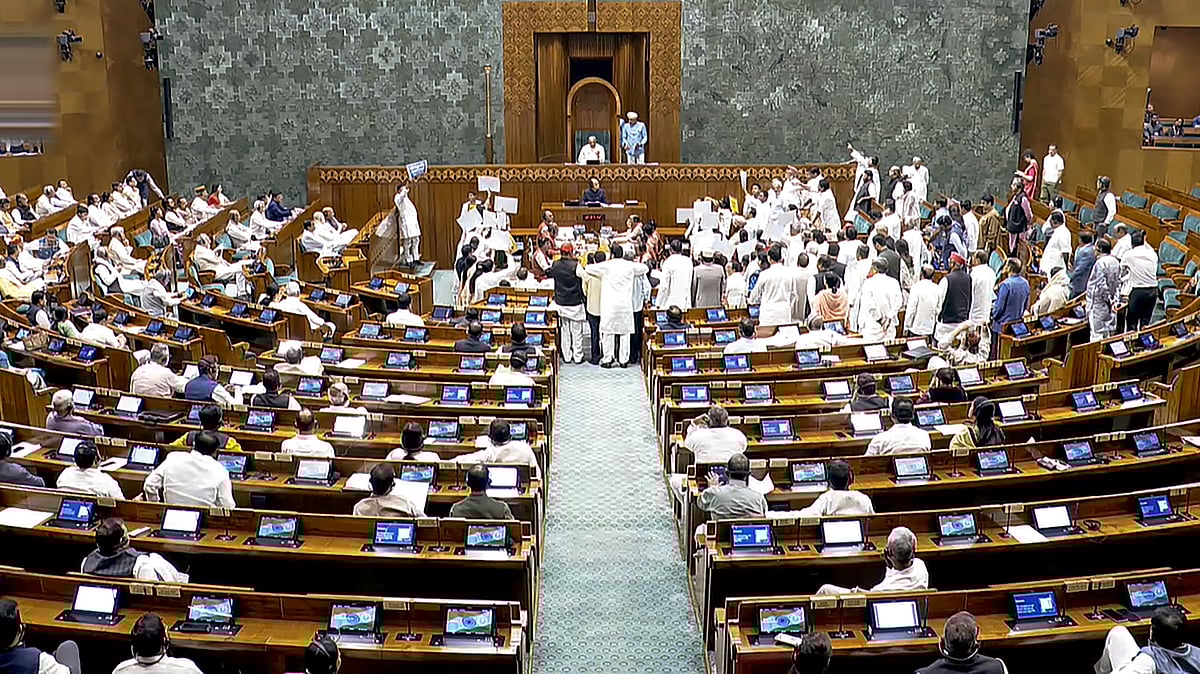
The session turned chaotic shortly after Congress MP Mohammed Jawed formally moved the motion to remove Om Birla. The Opposition argued that the Speaker had not been fair in his duties. They specifically pointed to an incident where Rahul Gandhi, the Leader of the Opposition, was reportedly stopped from speaking. As the motion was introduced, a major disagreement broke out over whether Jagdambika Pal, who was sitting in the Speaker's chair at the time, had the legal right to run the meeting while the Speaker was under investigation.
Important Numbers and Facts
The resolution against the Speaker is backed by a coalition of several parties. According to Opposition leaders, 118 MPs signed the document to show their lack of confidence in Om Birla. In response to the motion, the House has set aside 10 hours for a detailed discussion. This debate is expected to cover various complaints regarding how the House has been managed over the recent months. Another key fact mentioned during the session was the vacant post of the Deputy Speaker, which the Opposition says has made the current situation more difficult to handle.
Background and Context
In the Indian parliamentary system, the Speaker is supposed to be a neutral figure who ensures every member gets a fair chance to speak. However, the Opposition has frequently complained that their voices are being silenced. They claim that the Speaker has been too quick to suspend Opposition members while giving more freedom to the ruling party. The current motion is the result of months of built-up frustration. The lack of a Deputy Speaker—a role usually given to the Opposition—has also been a long-standing point of debate, as that person would normally take over when the Speaker cannot lead.
Public or Industry Reaction
Inside the House, the reaction was split along party lines. Asaduddin Owaisi of the AIMIM raised a "point of order," which is a way of questioning if the rules are being followed. He argued that a neutral person must be found to lead the debate. Saugata Roy from the Trinamool Congress agreed, saying the current setup did not look proper. On the other side, BJP leaders like Nishikant Dubey and Ravi Shankar Prasad defended the process. They argued that anyone sitting in the Chair has the full power of the Speaker and can legally continue the session. Parliamentary Affairs Minister Kiren Rijiju also stated that the government was following all established rules.
What This Means Going Forward
The next few days will be critical for the functioning of the Lok Sabha. With 10 hours of debate scheduled, the public will hear detailed arguments from both sides about the Speaker’s conduct. If the motion gains more support, it could lead to a major shift in how the House is run. However, the ruling party holds a strong position, making it difficult for the motion to pass. Regardless of the final vote, this move has forced the government to address concerns about fairness and the rights of the Opposition to speak freely in Parliament.
Final Take
This move to remove the Speaker shows how deep the lack of trust has become in India's Parliament. While the government insists it is following the law, the Opposition feels it has no other choice but to take this extreme step to be heard. The outcome of the 10-hour debate will likely set the tone for the rest of the legislative year.
Frequently Asked Questions
Why did the Opposition move to remove the Speaker?
The Opposition claims the Speaker has been partisan, meaning he favors the ruling party. They specifically mentioned that the Leader of the Opposition was not allowed to speak and that Opposition members have been unfairly suspended.
Who is presiding over the debate?
Jagdambika Pal is currently presiding over the session. The Speaker, Om Birla, chose to step away from the chair during the debate to ensure the discussion about his conduct could happen without his direct involvement.
What is the role of the Deputy Speaker in this situation?
Normally, a Deputy Speaker would lead the House if a motion against the Speaker is being discussed. However, that position is currently empty, which led to a procedural argument about who should legally run the meeting.

