
Summary
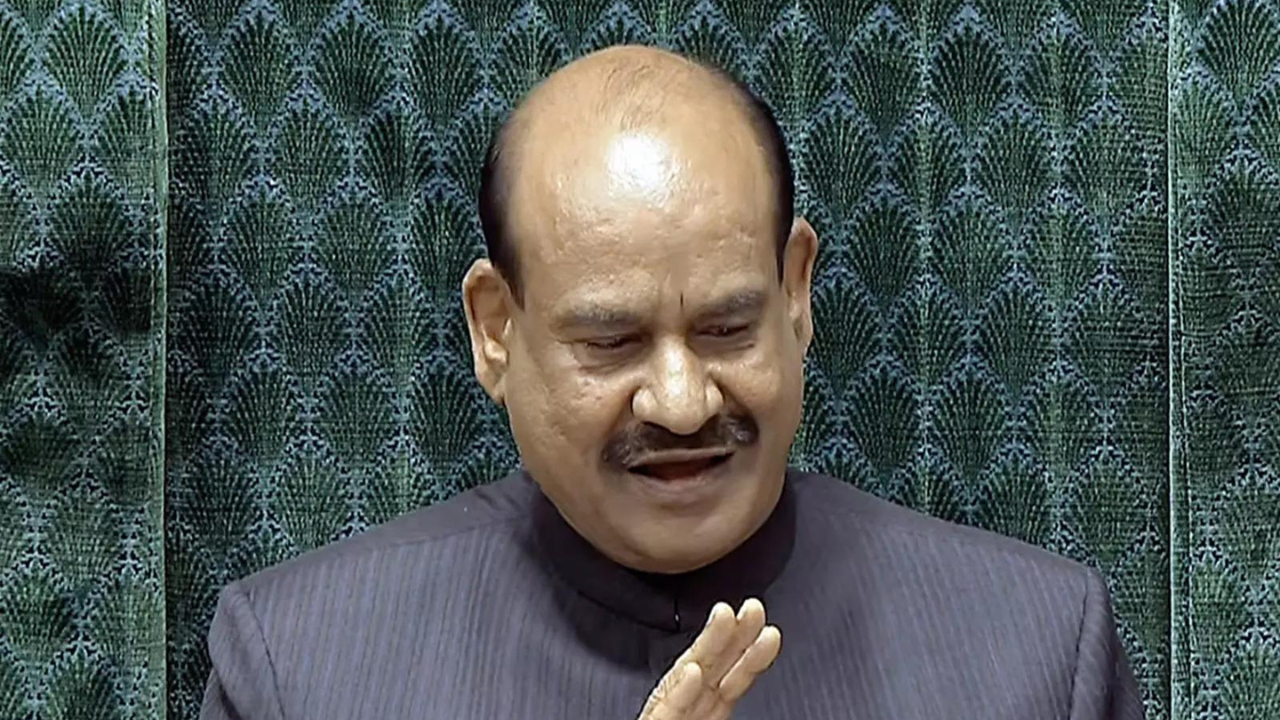
Members of Parliament from the Trinamool Congress (TMC) have decided to support a no-confidence motion against Lok Sabha Speaker Om Birla. This decision comes after a direct order from the party leader and West Bengal Chief Minister, Mamata Banerjee. The move marks a change in the party's earlier position and strengthens the opposition's push against the Speaker. The official vote on this resolution is scheduled to take place on March 9, 2026.
Main Impact
The decision by the TMC to join the resolution significantly changes the political balance in the Lok Sabha. By backing the no-confidence motion, the TMC is signaling a more united front with other opposition parties. This unity puts more pressure on the government and the Speaker’s office. Even if the motion does not result in the Speaker’s removal, it highlights deep divisions within the House and raises serious questions about how the Parliament is being managed.
Key Details
What Happened
The Trinamool Congress originally had a different view on the motion against Om Birla. However, after internal discussions led by Mamata Banerjee, the party shifted its stance to favor the resolution. The opposition parties argue that the Speaker has not been fair in his role. They claim that he often favors the ruling party and does not give enough time or space for opposition members to speak. This has led to a formal attempt to remove him from his position through a constitutional process.
Important Numbers and Facts
The vote is set for March 9, which will be a major day for the current parliamentary session. To remove a Speaker, a resolution must be passed by a majority of all the members of the Lok Sabha. This is not just a simple majority of those present, but a majority of the total strength of the House. The opposition needs to gather a large number of votes to make this motion successful. The TMC’s participation adds dozens of votes to the "yes" side, making the challenge more visible and statistically significant.
Background and Context
The Speaker of the Lok Sabha is supposed to be an independent and neutral person who manages the debates in Parliament. The Speaker decides who gets to speak, which bills are discussed, and how the rules are followed. In recent years, the opposition has grown increasingly unhappy with how these rules are applied. They point to instances where opposition members were suspended or where their microphones were allegedly turned off during important debates.
A no-confidence motion against a Speaker is a rare and serious event in Indian politics. It is governed by Article 94 of the Constitution. It requires a 14-day notice period before it can even be discussed. By bringing this motion, the opposition is using one of its strongest tools to show that they no longer trust the person leading the House. The TMC’s decision to join this effort shows that the frustration with the Speaker has reached a breaking point for many different political groups.
Public or Industry Reaction
Political experts see this as a sign of growing cooperation among opposition parties. While these parties often disagree on local issues, they are finding common ground in their complaints about how Parliament is run. Members of the ruling party have dismissed the motion, calling it a political tactic to distract from the government's work. They maintain that the Speaker has always acted according to the rulebook. On social media and in news debates, the public is divided. Some see it as a necessary step to protect democracy, while others view it as a waste of parliamentary time.
What This Means Going Forward
The upcoming vote on March 9 will be a test of strength for both the government and the opposition. If the motion fails, as many expect due to the ruling party's numbers, it may still change how the Speaker handles future sessions. The Speaker might become more cautious to avoid further claims of being unfair. For the TMC, this move helps them position themselves as a key player in national politics, showing they are ready to lead the charge against the central government. It also suggests that the rest of the budget session will be filled with heated debates and frequent protests.
Final Take
The TMC’s support for the no-confidence motion is a clear sign that the political temperature in India is rising. It moves the focus from policy debates to the very way the House is governed. Whether or not the motion passes, the event will be remembered as a moment when the opposition tried to force a change in the highest office of the Lok Sabha. It serves as a reminder that the fairness of the person in the chair is vital for a healthy and working democracy.
Frequently Asked Questions
What is a no-confidence motion against the Speaker?
It is a formal process where members of the Lok Sabha vote to decide if the Speaker should stay in their role. It is used when members feel the Speaker is not being fair or neutral.
Why did the TMC change its mind?
The party changed its stance following a directive from leader Mamata Banerjee. This was likely done to show unity with other opposition parties and to protest against the Speaker's recent decisions.
When will the vote take place?
The vote is scheduled to happen in the Lok Sabha on March 9, 2026. It will follow the rules set out in the Indian Constitution for removing a Speaker.



