
Summary
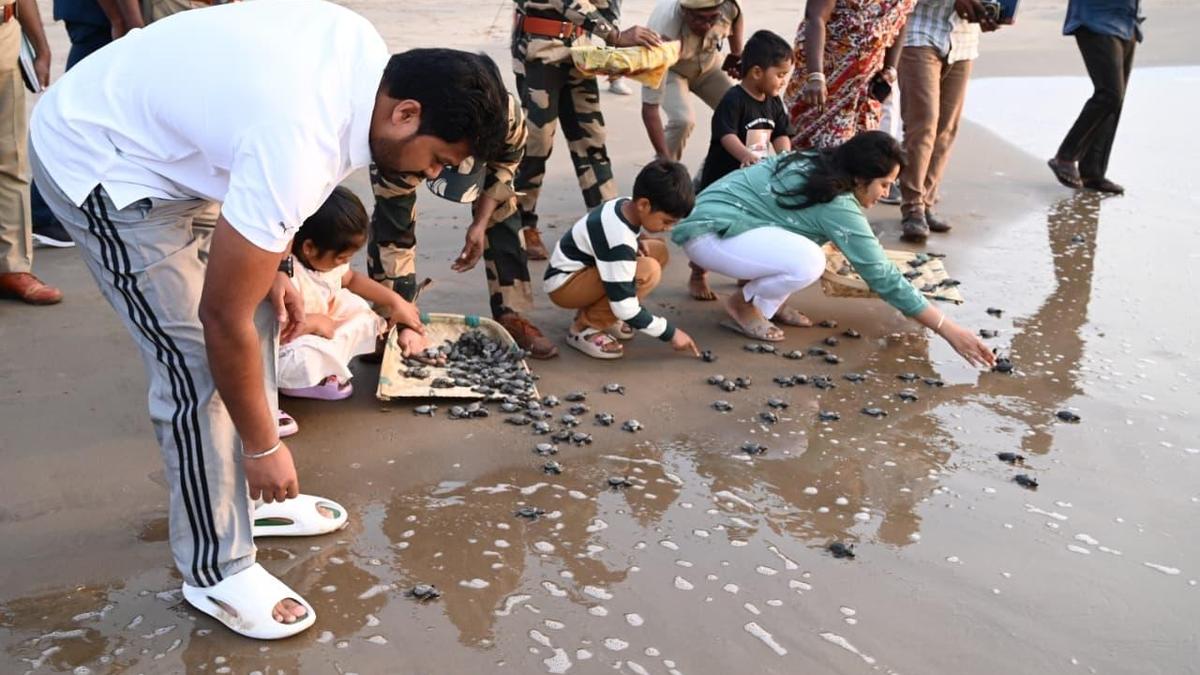
In a significant move for wildlife conservation, around 300 Olive Ridley turtle hatchlings were recently released into the sea along the Konaseema coast. This event marks a successful phase of the annual turtle protection program managed by local authorities and environmental groups. By ensuring these young turtles reach the ocean safely, officials hope to support the survival of this vulnerable species. The release is part of a larger effort to protect marine life and maintain the natural balance of the coastal ecosystem.
Main Impact
The primary impact of this release is the direct boost to the local Olive Ridley population. These turtles face many dangers from the moment their eggs are laid on the sand. By using protected hatcheries, the survival rate of the hatchlings is much higher than it would be in the wild. This effort helps counteract the loss of turtles caused by fishing nets, plastic pollution, and natural predators. Each successful release strengthens the marine food chain and ensures that future generations of turtles will return to these shores to nest.
Key Details
What Happened
Forest department officials and local volunteers gathered at the beach in the Konaseema district to oversee the release. The baby turtles had recently emerged from their shells in a protected hatchery nearby. Once they were strong enough, the staff carefully transported them to the shoreline. The tiny hatchlings then began their slow crawl across the sand toward the waves of the Bay of Bengal. This process is done carefully to ensure the turtles are not harmed by birds or other animals before they reach the water.
Important Numbers and Facts
A total of 300 hatchlings were released during this specific event. The nesting season for Olive Ridley turtles in this region typically runs from January through May. During this time, forest workers patrol the beaches to find and protect nests. Each nest can contain between 100 and 150 eggs. The eggs usually take about 45 to 50 days to hatch, depending on the temperature of the sand. Officials have set up several temporary hatcheries along the coast to manage the thousands of eggs collected every year.
Background and Context
Olive Ridley turtles are known for their incredible journeys across the ocean. Every year, thousands of these turtles travel long distances to reach the beaches where they were born. This behavior is a natural wonder, but it also makes them very vulnerable. In the past, many nests were destroyed by stray dogs, wild animals, or people walking on the beach. Additionally, bright lights from nearby towns can confuse the baby turtles, causing them to crawl toward the land instead of the sea.
To solve these problems, the government and local communities started conservation programs. They build fenced areas called hatcheries where the eggs are buried in the sand and kept safe from harm. This human intervention is necessary because the survival rate of sea turtles is naturally very low. Only a small number of hatchlings that reach the sea actually live long enough to become adults. By protecting them at their most fragile stage, conservationists give the species a better chance at survival.
Public or Industry Reaction
The local community in Konaseema has shown great support for these conservation efforts. Many people living near the coast have become more aware of the need to keep the beaches clean and quiet during the nesting season. Fishermen have also been encouraged to use special equipment, such as Turtle Excluder Devices (TEDs), which allow turtles to escape from fishing nets. Environmentalists have praised the forest department for their hard work, noting that the consistent release of hatchlings is a sign of a healthy and well-managed conservation program.
What This Means Going Forward
Looking ahead, the success of this release suggests that more hatchlings will be heading to the ocean in the coming weeks. The forest department plans to continue its 24-hour monitoring of the coastline until the end of the season. However, challenges remain. Climate change is causing sea levels to rise and sand temperatures to change, which can affect the gender and health of the turtles. There is also a constant need to reduce plastic waste on beaches, as turtles often mistake plastic bags for food. Future efforts will likely focus on better waste management and stricter rules for coastal development to protect these vital nesting grounds.
Final Take
The release of 300 Olive Ridley hatchlings is a small but vital victory for nature. It shows how simple, dedicated actions can protect a species from disappearing. While the journey for these young turtles is just beginning, the support they received on the shores of Konaseema gives them the best possible start. Continued cooperation between the government and the public will be the key to keeping these ancient mariners safe for years to come.
Frequently Asked Questions
Why are Olive Ridley turtles important?
They play a key role in the ocean by eating jellyfish and keeping seagrass beds healthy. Their presence is a sign that the marine environment is in good condition.
How do hatcheries help the turtles?
Hatcheries protect the eggs from predators like dogs and birds. They also keep the eggs safe from high tides and human activity that could crush them.
What can people do to help sea turtles?
People can help by not littering on beaches, avoiding the use of bright lights near nesting sites at night, and supporting local conservation programs.

