
Summary
Oklahoma is currently debating a new bill that would allow human bodies to be turned into fertilizer after death. This process, known as human composting or natural organic reduction, is being presented as an eco-friendly alternative to traditional burial. However, the proposal has faced strong pushback from State Representative Jim Shaw, who called the idea a "disgusting step." The debate highlights a deep divide between modern environmental goals and traditional views on how to treat the deceased.
Main Impact
The introduction of this bill has sparked a serious conversation about the future of the funeral industry in Oklahoma. If the law passes, it would give residents a third choice for what happens to their remains, joining burial and cremation. While supporters see this as a way to protect the planet, critics argue that it devalues human life. The strong opposition from lawmakers like Jim Shaw suggests that the bill will face a difficult path before it can become law.
Key Details
What Happened
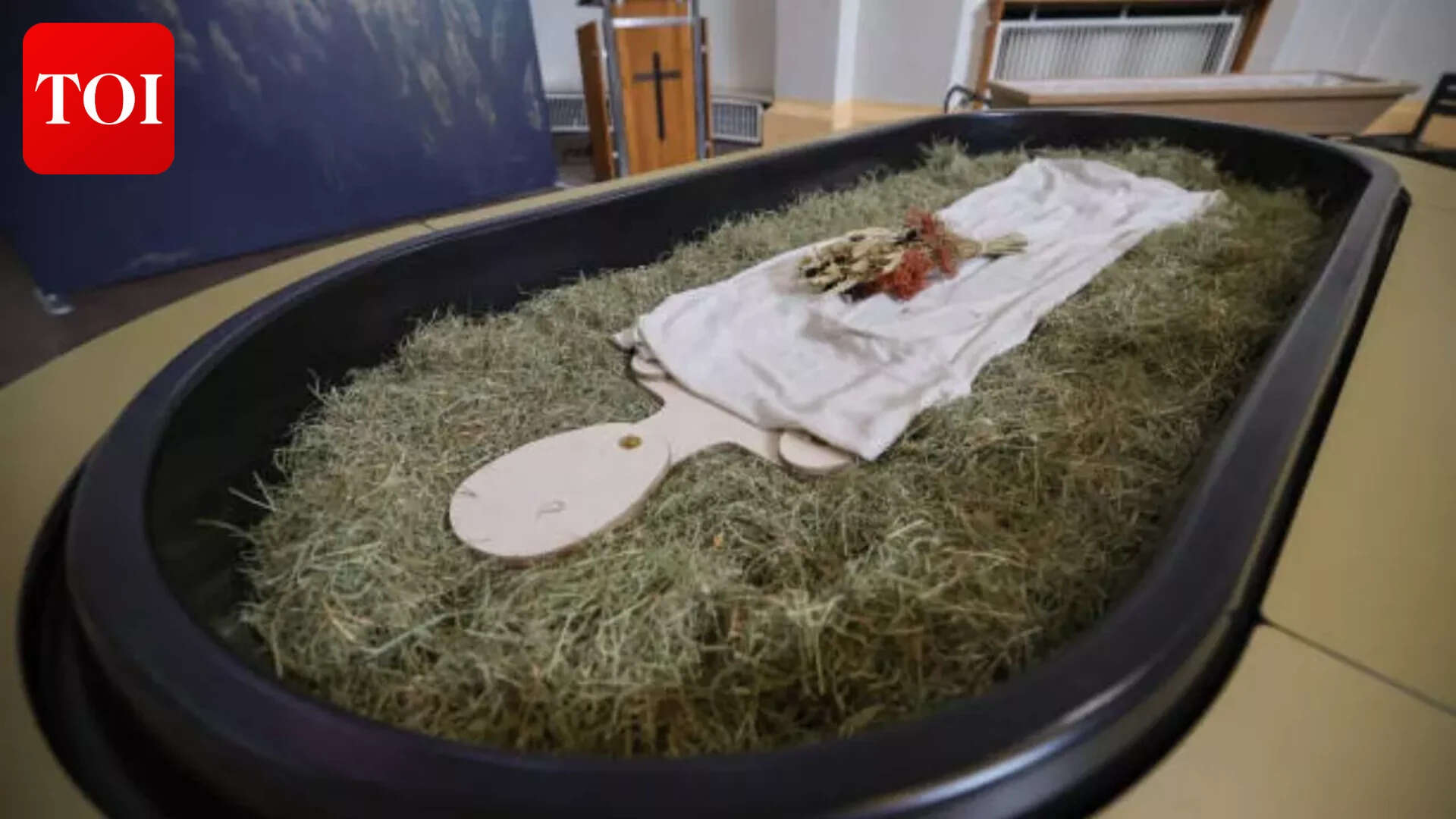
The bill focuses on a process called natural organic reduction. In this method, a human body is placed in a special container filled with natural materials like wood chips, alfalfa, and straw. Over a period of several weeks, microbes and oxygen break down the body, eventually turning it into nutrient-rich soil. Representative Jim Shaw has been vocal in his disapproval, stating that the process is disrespectful and does not provide the dignity that a human being deserves after they pass away.
Important Numbers and Facts
The composting process typically takes between 30 and 60 days to complete. Once the process is finished, the family is left with about one cubic yard of soil, which is roughly the amount that would fill a large wheelbarrow. Currently, about a dozen states in the U.S. have already legalized this practice, including Washington, Colorado, and New York. Experts say that human composting uses about one-eighth of the energy required for cremation and prevents the release of over a ton of carbon dioxide per person.
Background and Context
For a long time, people have only had two main choices when a loved one dies: burying the body in a casket or choosing cremation. Both of these methods have an impact on the environment. Traditional burials often involve embalming fluids, which are made of harsh chemicals that can leak into the ground. They also use large amounts of wood, steel, and concrete for caskets and vaults. Cremation, while taking up less space, requires burning fossil fuels at very high temperatures, which releases gases into the air. Because of these issues, "green" funeral options have become more popular across the country as people look for ways to be more sustainable.
Public or Industry Reaction
The reaction to the bill has been split into two very different sides. On one side, environmental groups and some funeral directors argue that people should have the right to choose a natural return to the earth. They believe that turning a body into soil is a beautiful way to give back to nature. On the other side, many people feel that the process is too similar to how we handle livestock or garden waste. Representative Jim Shaw’s comments reflect the feelings of many Oklahomans who believe that traditional burial is a sacred act. These critics worry that treating human remains like compost will change how society views the value of a person's life.
What This Means Going Forward
The Oklahoma legislature will now have to decide if the state is ready for such a major change in funeral laws. Lawmakers will likely hold meetings to hear from both scientists and religious leaders. If the bill is rejected, it will show that traditional values still hold a strong grip on the state’s policies. If it passes, Oklahoma will join a growing list of states that are modernizing their death care laws. Funeral homes would then need to decide if they want to invest in the expensive equipment needed to offer this service to the public.
Final Take
The fight over human composting in Oklahoma shows that technology often moves faster than cultural comfort. While the science proves that composting is better for the environment, the emotional and moral concerns raised by leaders like Jim Shaw are very real for many people. This debate is not just about fertilizer or soil; it is about how we choose to remember and honor those we have lost.
Frequently Asked Questions
What exactly is human composting?
It is a process where a body is placed in a container with organic materials like straw and wood chips. Over a few months, the body naturally breaks down into soil that can be used to plant trees or flowers.
Is human composting safe for the environment?
Yes, the process is designed to be very safe. The high heat created by the microbes during the breakdown process kills off most harmful bacteria and pathogens, leaving behind clean, nutrient-rich soil.
Why are some people against this bill?
Many critics, including Representative Jim Shaw, believe that turning a human body into soil is undignified. They feel it treats human remains more like trash or farm waste rather than showing proper respect for the dead.

