
Summary
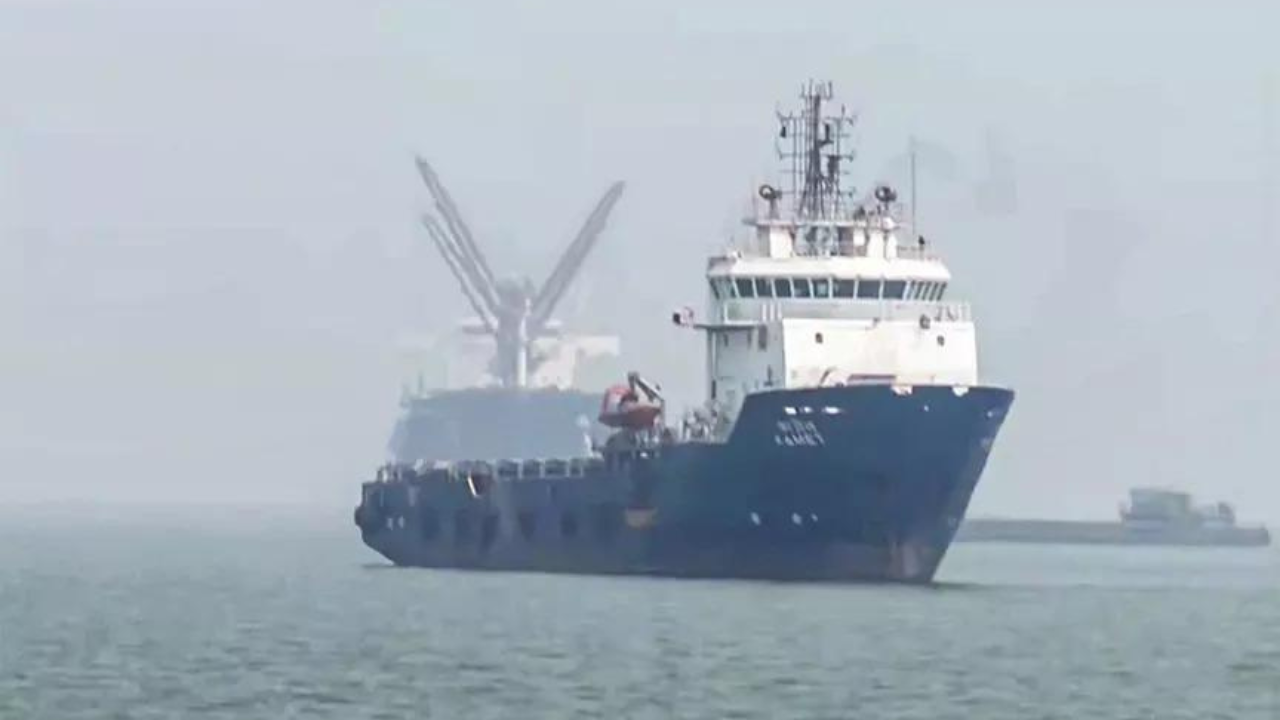
A large crude oil tanker recently arrived at Mumbai Port after completing a high-risk journey through the Middle East. The vessel, known as the Shenlong Suezmax, was carrying oil from Saudi Arabia to India. To ensure a safe passage, the ship had to turn off its tracking systems while moving through the Strait of Hormuz. This move, often called a "shadow voyage," was done to avoid trouble in a region where shipping rules have become much stricter and risks have increased.
Main Impact
The decision for a major oil tanker to go "dark" highlights the growing danger for global trade in the Middle East. When a ship turns off its tracking equipment, it becomes invisible to standard monitoring systems. While this helps the ship avoid being stopped or seized, it also shows how unstable the region has become. For a country like India, which depends on this route for its energy needs, these security risks could lead to higher oil prices and delays in getting fuel to the public.
Key Details
What Happened
The Shenlong Suezmax is a tanker that flies the flag of Liberia. It was loaded with crude oil in Saudi Arabia and set a course for India. As the ship approached the Strait of Hormuz, the crew disabled its Automatic Identification System (AIS). This system is usually required so that other ships and authorities know where a vessel is located. By turning it off, the ship was able to pass through the narrow waterway without being easily tracked by outside parties. Once it was safely past the high-risk zone, the tracking was turned back on, and the ship reached Mumbai without further issues.
Important Numbers and Facts
The Strait of Hormuz is one of the most important places in the world for the energy industry. Every day, more than 20 million barrels of oil pass through this narrow stretch of water. This amount represents about 20% of all the oil used in the world each day. Because the waterway is so narrow, it is a major "chokepoint." If this path is blocked or if ships are afraid to use it, the global economy can suffer quickly. The Shenlong Suezmax is a very large ship designed to carry huge amounts of oil, making its safe arrival vital for Indian refineries.
Background and Context
The Strait of Hormuz sits between Oman and Iran. It is the only way for ships to get out of the Persian Gulf and into the open ocean. In recent months, Iran has increased its control over the area. They have introduced new rules for ships and have even seized some vessels in the past. These actions are often linked to political tensions between different countries. Because of this, many shipping companies feel that the only way to protect their crew and cargo is to hide their location while passing through the area.
Public or Industry Reaction
Experts in the shipping industry are worried about the rise of "shadow voyages." While they understand why a captain would want to hide their ship for safety, it creates new problems. If many large ships are moving through a narrow space without signals, the chance of a collision goes up. Insurance companies are also watching these events closely. When the risk of travel increases, the cost of insurance for these ships also goes up. These extra costs are often passed down to the people who buy petrol and diesel at the pump.
What This Means Going Forward
India is one of the world's biggest buyers of oil. Most of that oil comes from the Middle East. If the Strait of Hormuz remains a dangerous place, India may have to find other ways to get its energy. This could mean buying more oil from countries like Russia or looking for new suppliers in Africa and South America. In the short term, we can expect more ships to use "dark" tactics to stay safe. Governments will likely need to work together to make sure that these vital trade routes stay open and safe for everyone.
Final Take
The successful arrival of the Shenlong Suezmax in Mumbai is good news for India's energy supply. However, the fact that the ship had to hide its location shows how fragile the global oil trade has become. As long as there is tension in the Middle East, shipping companies will have to use these extreme measures to keep the world's oil moving. This situation serves as a reminder that the price of fuel is often decided by events happening thousands of miles away on the high seas.
Frequently Asked Questions
What does it mean when a ship goes "dark"?
Going "dark" means the crew has turned off the ship's Automatic Identification System (AIS). This makes the vessel invisible to public tracking websites and satellite monitors that usually follow ship movements.
Why is the Strait of Hormuz so important?
It is the main path for oil leaving the Middle East. About one-fifth of the world's daily oil supply passes through this narrow waterway, making it essential for global energy security.
Is it dangerous for a ship to turn off its tracking?
Yes, it can be dangerous because other ships in the area might not see the vessel on their radar or maps. This increases the risk of a collision, especially in crowded or narrow waters like the Strait of Hormuz.



