
Summary
Large energy companies are reporting massive financial gains as the ongoing conflict in the Middle East drives up the price of fuel. While drivers face high costs at the pump, oil giants like BP have seen their profits more than double compared to the previous year. Activists and advocacy groups have criticized these earnings, calling the situation "horrifying" as families struggle with rising living costs. The closure of key shipping routes continues to keep oil prices high, leading to renewed calls for special taxes on energy company profits.
Main Impact
The primary impact of the current geopolitical crisis is a massive transfer of wealth from consumers to energy corporations. As the war between the U.S., Israel, and Iran continues, the supply of oil has tightened, causing prices to stay well above $100 per barrel. This has resulted in a financial windfall for the world’s largest energy firms, with some earning thousands of dollars every second. For the average person, this translates to significantly higher costs for transportation and heating, sparking a global debate over whether these companies should be allowed to keep such high profits during a time of crisis.
Key Details
What Happened
In the first few months of 2026, the world's largest energy companies began releasing their financial results, showing a sharp increase in money earned. BP, a major player in the industry, reported $3.2 billion in profit for the first quarter alone. This is a huge jump from the $1.38 billion they made during the same months in 2025. The main reason for this increase is the war in the Middle East, which has made it difficult to move oil through the Persian Gulf. Because the Strait of Hormuz is closed to most ships, the global supply of oil has dropped, which naturally makes the price of the remaining oil go up.
Important Numbers and Facts
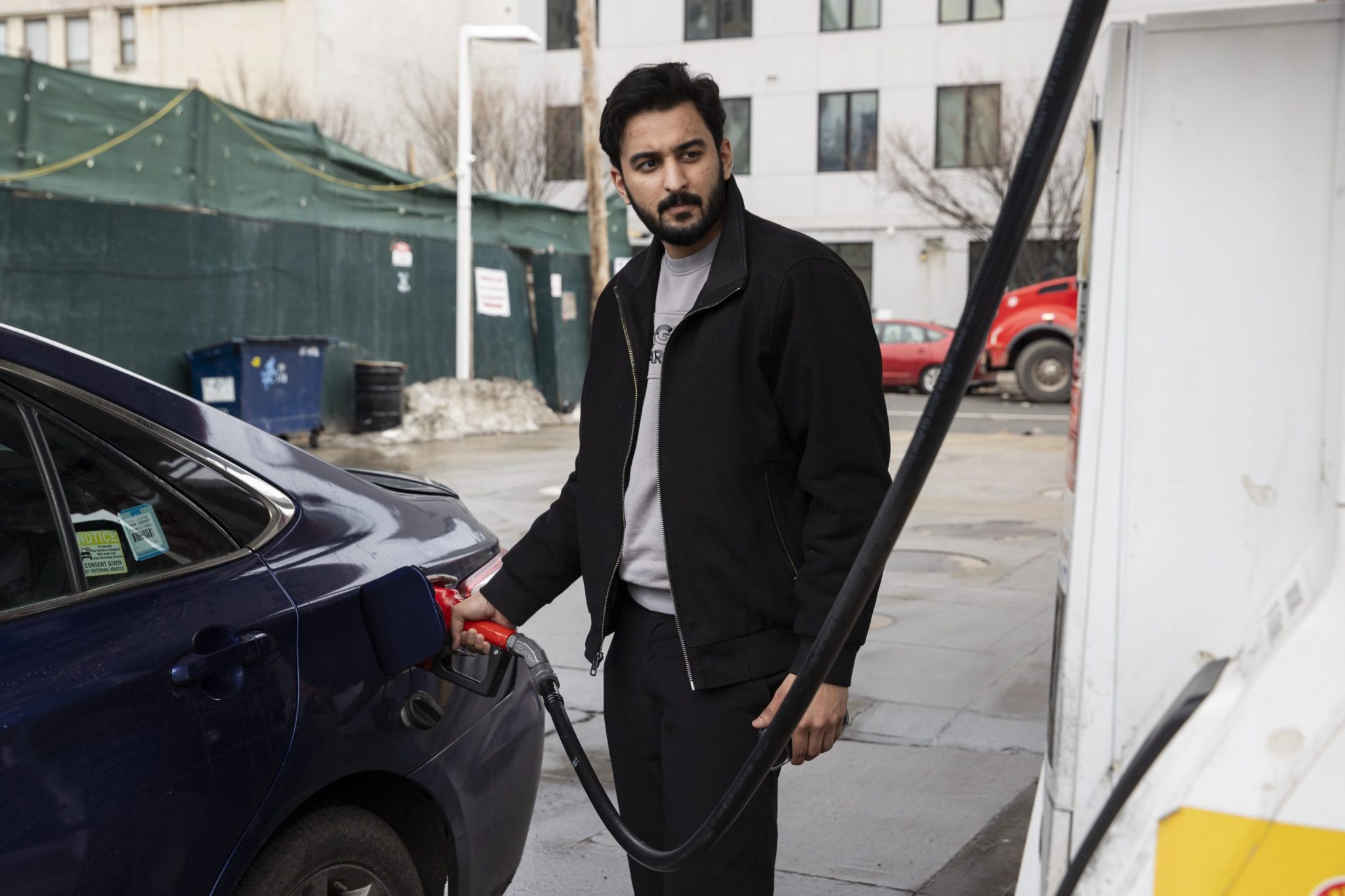
The scale of these profits is record-breaking. Before the conflict began, oil was priced at about $73 per barrel. Shortly after the fighting started, prices jumped over $100 and currently sit near $110 per barrel. According to recent data, the top 100 oil and gas companies made an extra $30 million every hour during the first month of the war. If prices stay this high, total profits for the year could reach $264 billion. In the United States, the average price for a gallon of gas has hit $4.18, the highest it has been in years. In Europe, drivers are paying an extra $175 million every day for fuel compared to pre-war prices.
Background and Context
This situation matters because energy is the backbone of the global economy. When oil prices rise, almost everything else becomes more expensive because it costs more to transport goods and run factories. The Middle East is one of the most important regions for oil production, and the Persian Gulf is a vital path for tankers. The current war has not only blocked shipping but has also led to physical damage. Iranian air strikes have hit gas production sites, making it even harder to produce and move energy. Even if a peace deal is reached tomorrow, experts say it could take years for the energy market to return to normal because the damage to equipment and shipping routes is so severe.
Public or Industry Reaction
The reaction from the public and advocacy groups has been one of anger. Patrick Galey from Global Witness stated that it is "horrifying" to see such high profits while so many people are suffering from the effects of the war. Oxfam International also released a report showing that the six biggest fossil fuel companies are earning nearly $3,000 every second. This has led to a major political push for "windfall taxes." These are special taxes designed to take a portion of the extra money companies make during a crisis. In the U.K., such a tax already exists, and now several European countries and U.S. lawmakers are calling for similar rules to help families pay their bills.
What This Means Going Forward
Looking ahead, the high cost of energy is likely to stay with us for a long time. The International Energy Agency has warned that even if the Strait of Hormuz reopens soon, it will take a long time to fix the logistical problems caused by the war. This means oil prices will probably stay high, and energy companies will continue to see large profits. Governments will face increasing pressure to act. We may see more countries passing laws to tax these "extra" profits and using that money to give rebates to citizens. There is also a growing push to move away from oil and gas faster to avoid being vulnerable to these kinds of price spikes in the future.
Final Take
The current surge in oil profits highlights a difficult reality: while global conflicts cause pain for most people, they create massive financial opportunities for a few large corporations. The debate over windfall taxes is no longer just about economics; it has become a question of fairness. As long as the war continues to restrict energy supplies, the tension between corporate earnings and public struggle will likely grow, forcing leaders to make tough choices about how to manage the world's energy wealth.
Frequently Asked Questions
Why are oil prices so high right now?
Prices are high because of the war in the Middle East. The conflict has closed the Strait of Hormuz, a key shipping route, which has cut off a large portion of the world's oil supply. When supply is low and demand is high, prices go up.
What is a windfall tax?
A windfall tax is a special tax that governments put on companies that make a huge, unexpected profit due to a crisis or event they didn't cause. The goal is to take some of that extra money and use it to help the public.
How much are gas prices increasing for drivers?
In the United States, gas prices have reached an average of $4.18 per gallon. In Europe, the average driver is expected to pay about $257 more for fuel this year because of the price increases caused by the war.



