
Summary
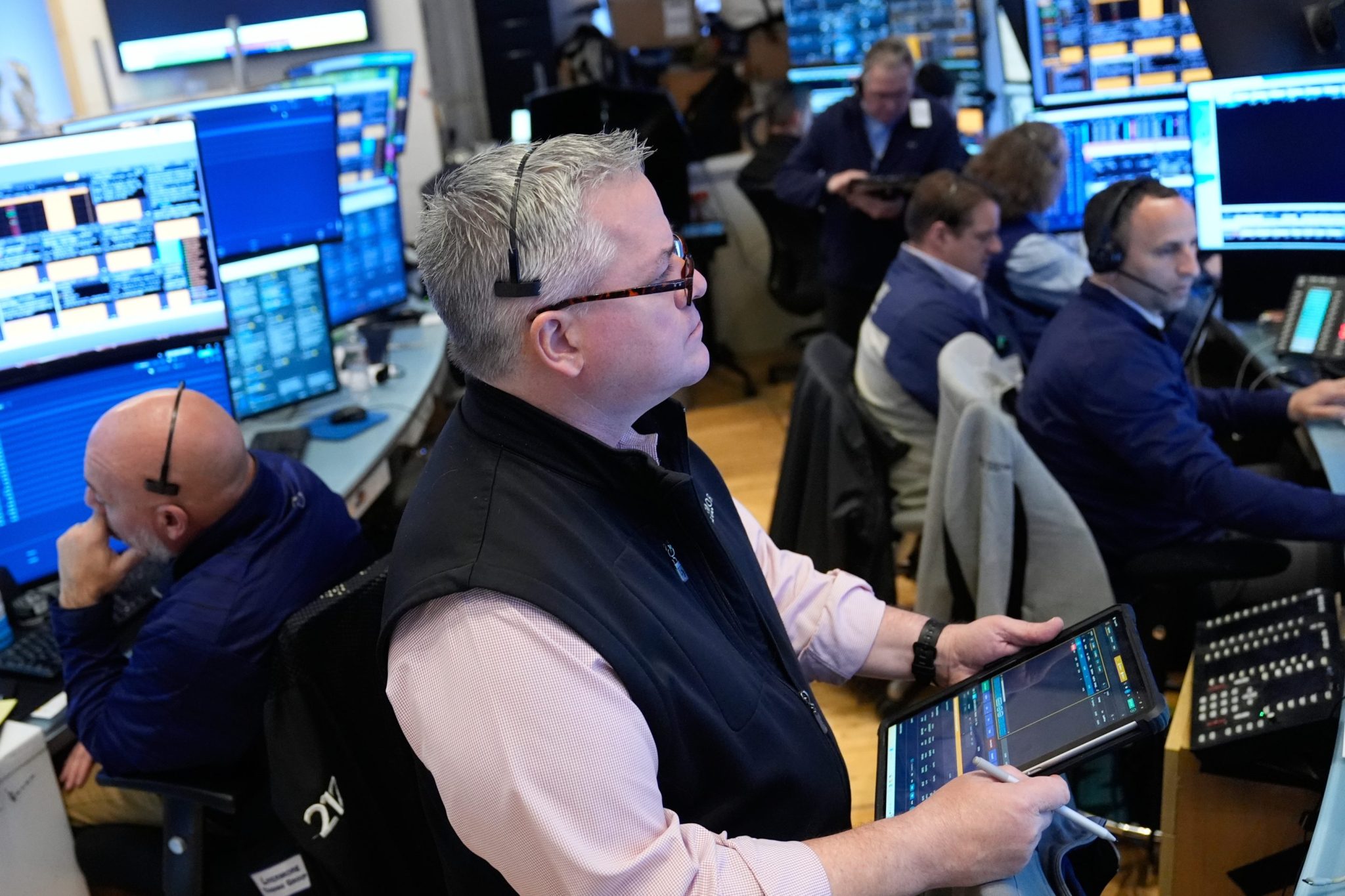
Oil prices have fallen significantly, returning to levels seen at the start of the conflict with Iran. This drop follows an announcement from Iran that the Strait of Hormuz is once again open for commercial ships. In response, the U.S. stock market reached new record highs as investors felt more confident about the global economy. This change could lead to lower costs for fuel, food, and even monthly loan payments for many families.
Main Impact
The reopening of the Strait of Hormuz is a major relief for the global economy. Because this narrow waterway is a vital path for oil tankers, the news caused the price of crude oil to tumble immediately. Lower oil prices help reduce the cost of shipping goods, which can slow down inflation. For the stock market, this meant the S&P 500 jumped 1.2% to hit an all-time high, marking its third week of steady growth.
Key Details
What Happened
On Friday, Iran’s foreign minister, Abbas Araghchi, announced that the Strait of Hormuz is now fully open to all commercial vessels. This decision is linked to a ceasefire currently holding in Lebanon. While the opening might be temporary, it provided a much-needed boost to financial markets. President Donald Trump also shared a positive outlook, suggesting that the war could be reaching its end soon, though he noted that the U.S. Navy would maintain its blockade on Iranian ports until a final deal is signed.
Important Numbers and Facts
The financial impact of the news was seen across several markets:
- U.S. Crude Oil: The price dropped by 9.4%, settling at $82.59 per barrel.
- Brent Crude: The international standard fell 9.1% to reach $90.38 per barrel.
- Dow Jones Industrial Average: The index rose by 868 points, or 1.8%.
- S&P 500: This index climbed 84.78 points to reach a record 7,126.06.
- Nasdaq Composite: The tech-heavy index increased by 1.5%.
- Treasury Yields: The 10-year Treasury yield fell to 4.24%, which often leads to lower mortgage rates.
Background and Context
The Strait of Hormuz is one of the most important locations in the world for the energy trade. A large portion of the world's oil passes through this small area in the Persian Gulf. When the war began, the threat of closing this passage caused oil prices to spike, making everything from gasoline to groceries more expensive. Since hitting a low point in late March, the U.S. stock market has recovered by more than 12% as hopes for a peaceful resolution have grown. Investors are closely watching these developments because stable energy prices are essential for a healthy economy.
Public or Industry Reaction
Industries that use a lot of fuel saw their stock prices jump the most. Airlines like United and Southwest saw gains of over 5%, as lower fuel costs mean higher profits for them. Cruise ship companies, including Royal Caribbean and Carnival, also saw their stock values rise by about 7%.
The housing and car markets reacted positively as well. Companies like Builders FirstSource and PulteGroup saw their stocks go up because lower oil prices might lead the Federal Reserve to lower interest rates. If interest rates go down, it becomes cheaper for people to get mortgages or car loans, which helps these businesses grow. However, not all news was positive; Netflix shares dropped nearly 10% after the company gave a cautious outlook for the year and announced that its co-founder, Reed Hastings, would be leaving the board.
What This Means Going Forward
The next steps depend on whether the ceasefire holds and if a permanent peace deal is reached. If oil prices stay low, the Federal Reserve may feel comfortable cutting interest rates again. This would be a major shift that could help the economy grow faster. However, the market remains sensitive. In the past, moments of hope have been followed by more fighting, which causes prices to swing wildly. For now, the focus is on the "full force" blockade mentioned by the U.S. government and the ongoing negotiations to end the conflict for good.
Final Take
The reopening of the Strait of Hormuz has provided a rare moment of calm for global markets. While the war is not officially over, the drop in oil prices and the record-breaking performance of the S&P 500 show that investors are betting on a return to stability. If this trend continues, consumers could soon see relief in their daily expenses and borrowing costs.
Frequently Asked Questions
Why did the stock market hit a record high?
The market rose because Iran reopened the Strait of Hormuz, which lowered oil prices. Lower oil prices help reduce inflation and make it more likely that interest rates will go down, which is good for business profits.
How much did oil prices drop?
U.S. crude oil prices fell by more than 9%, dropping to about $82.59 per barrel. This brings the price back to where it was when the conflict first started.
What is the Strait of Hormuz?
It is a narrow and very important waterway in the Middle East. Most of the oil from the Persian Gulf must pass through it to reach the rest of the world, making it a key factor in global energy prices.



