
Summary
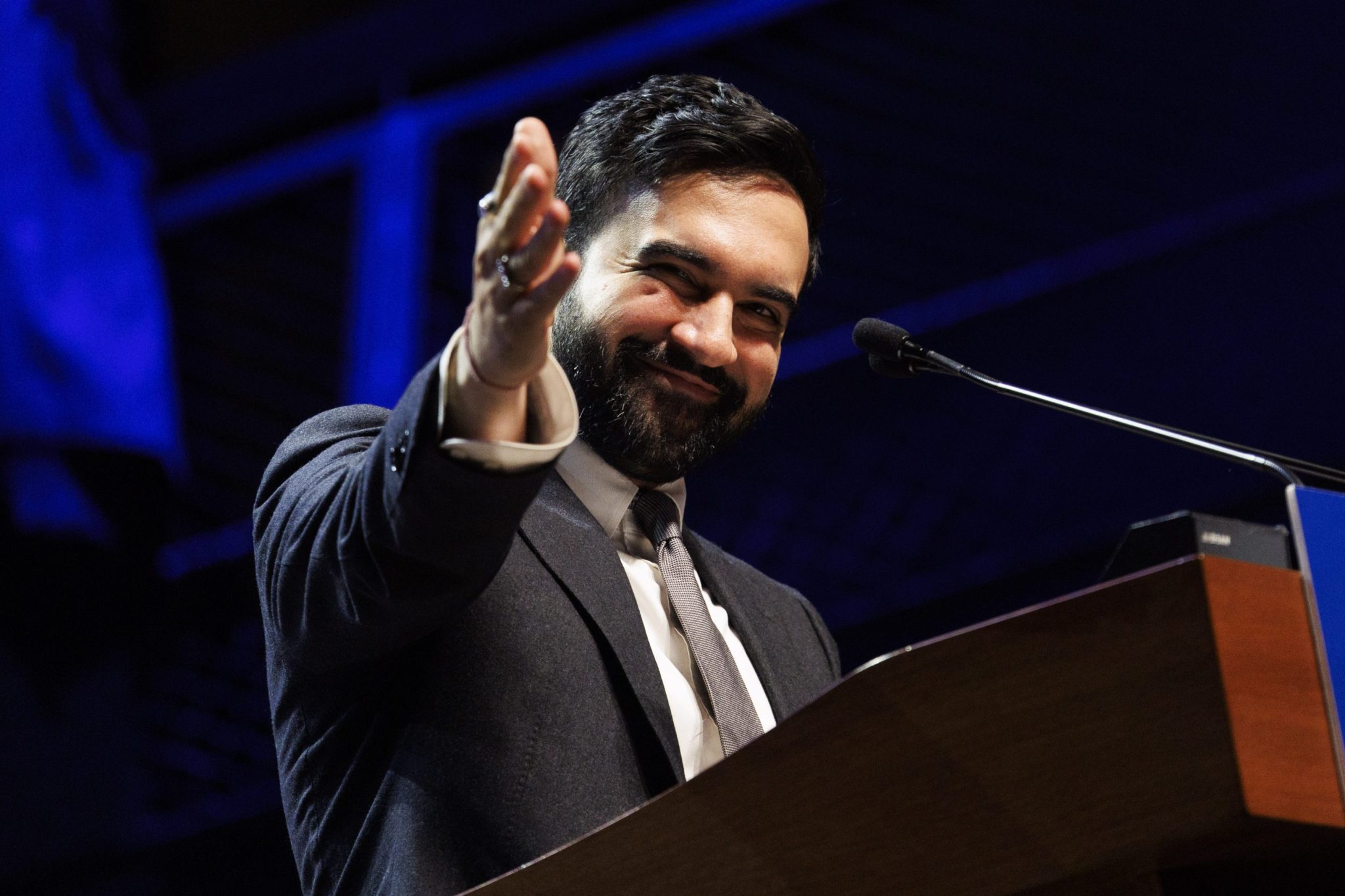
New York City Mayor Zohran Mamdani used Tax Day to announce a new plan to tax the wealthiest property owners in the city. Standing outside a famous luxury building, the Mayor introduced a "pied-à-terre" tax. This is a special fee for people who own expensive homes in New York but do not live there full-time. The goal of the tax is to make sure the richest individuals contribute more to the city’s budget. The money collected will be used to fund important public services like childcare and cleaner streets.
Main Impact
The biggest impact of this proposal is the potential to raise a lot of money for New York City. Officials estimate that the new tax could bring in at least $500 million every year. This money is not just going into a general fund; the Mayor has specific plans for it. The revenue will pay for free childcare for families, better street cleaning services, and programs to make neighborhoods safer. By targeting luxury properties worth more than $5 million, the city hopes to fix what the Mayor calls an unfair system where wealthy people own property but do not pay their fair share in local taxes.
Key Details
What Happened
Mayor Mamdani shared a video on social media to announce the tax. He chose a very specific location for the video: the front door of 220 Central Park South. This building is home to some of the most expensive real estate in the world. The Mayor specifically pointed toward a penthouse owned by Ken Griffin, the head of the hedge fund Citadel. Griffin bought the four-floor home in 2019 for $238 million, which was a record-breaking price at the time. The Mayor used this backdrop to show exactly who the new tax would affect.
Important Numbers and Facts
The proposed tax has several specific rules. It would apply to homes, condos, and co-ops that are valued at more than $5 million. However, it only applies if the owner’s main home is located outside of New York City. This means it targets "second homes" or vacation properties that often sit empty for most of the year. The video announcing the plan quickly became popular, getting nearly 470,000 views in a short amount of time. This shows that many people are interested in how the city handles wealth and property taxes.
Background and Context
A "pied-à-terre" is a French term that means "foot on the ground." In the world of real estate, it refers to a small apartment or a second home used by someone who lives somewhere else. In New York City, many billionaires buy these luxury apartments as investments. They might only visit the city a few times a year, leaving the units empty the rest of the time. While these owners benefit from the rising value of New York property, they often avoid paying the same income taxes that full-time residents pay.
This tax idea has been discussed for many years by city leaders. However, it has often faced opposition and failed to pass in the state government. Mayor Mamdani is pushing for it now as part of a larger effort to address wealth inequality. He argues that it is unfair for the city to have a housing crisis while thousands of luxury apartments sit empty and untaxed.
Public or Industry Reaction
The reaction to the Mayor’s announcement has been mixed. Many residents who struggle with the high cost of living in New York support the idea. They feel that the wealthiest people should help pay for the services that make the city a desirable place to own property. On the other hand, some in the real estate industry worry that the tax might discourage people from buying expensive homes in the city. They fear it could lead to lower property values in the luxury market.
Ken Griffin, the billionaire mentioned in the video, has already moved his company’s headquarters from Chicago to Miami. He is part of a group of very wealthy people, including Jeff Bezos and Mark Zuckerberg, who have moved to Florida. Florida is popular with the wealthy because it does not have a state income tax. This trend of billionaires leaving high-tax states like New York and California is a major concern for local lawmakers who rely on tax money from the rich.
What This Means Going Forward
Even though the Mayor has announced the tax, it is not yet a law. The proposal needs approval from the New York State Legislature in Albany. Governor Kathy Hochul has shown support for the plan, but it still faces a tough path to becoming official. If the state does not approve the tax, Mayor Mamdani has warned that the city might have to find other ways to raise money. This could include raising property taxes for middle-class homeowners, which is something the Mayor wants to avoid.
The next few months will be critical as lawmakers debate the details. If passed, New York City would join other major global cities that have similar taxes on empty luxury homes. This move could set a standard for how other large cities handle wealthy residents who do not live in the city full-time.
Final Take
The push for a luxury second-home tax marks a bold step in New York City’s financial strategy. By focusing on high-value properties that often sit empty, the city is trying to balance its budget without putting more pressure on everyday residents. Whether this plan succeeds depends on the state government, but the message from the Mayor’s office is clear: those who own a piece of New York’s most expensive real estate should be prepared to pay more to support the city’s future.
Frequently Asked Questions
What is a pied-à-terre tax?
It is a tax on expensive homes that are not the owner's primary residence. It targets people who own luxury property in the city but live somewhere else most of the time.
Who will have to pay this new tax?
The tax would apply to owners of homes, condos, or co-ops worth more than $5 million if they do not live in New York City full-time.
How will the city use the money from this tax?
The city plans to use the estimated $500 million in annual revenue to pay for free childcare, cleaner streets, and improved neighborhood safety programs.



