Summary
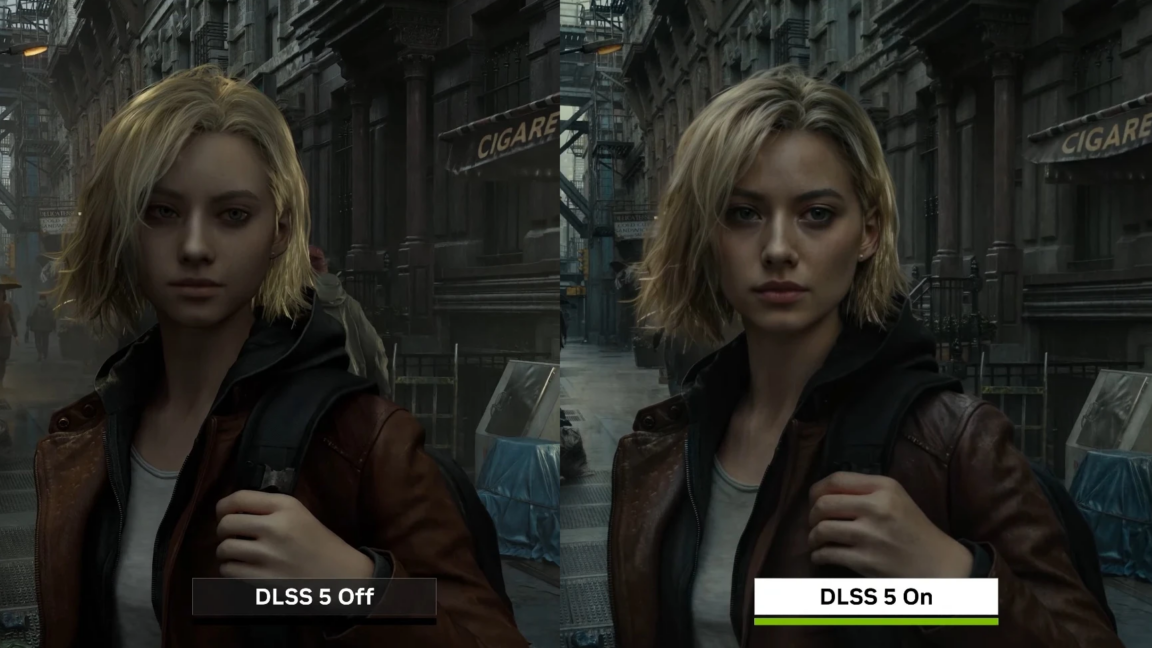
Nvidia recently shared a first look at its upcoming DLSS 5 technology, but the response from the gaming community has been far from positive. While previous versions of this software helped games run faster and look sharper, the new version uses generative AI to completely change lighting and textures. Many players and industry experts feel this move goes too far by altering the original look of a game. Instead of just improving performance, the technology now creates an "uncanny" and "bland" appearance that many find unappealing.
Main Impact
The biggest change with DLSS 5 is the shift from simple image improvement to active image creation. For years, Nvidia’s technology was praised for helping gamers get better frame rates without needing the most expensive hardware. However, this new update introduces "neural rendering," which allows the AI to rewrite the visual details of a scene. This has sparked a massive debate about artistic integrity. Critics argue that if an AI is redesigning the lighting and materials in a game, the original vision of the game's artists is being lost or replaced by a generic computer-generated style.
Key Details
What Happened
During a recent presentation, Nvidia teased DLSS 5 as the next major step for its graphics cards. The company described it as a "real-time neural rendering model." Unlike older versions that filled in missing pixels or added extra frames to make movement look smoother, DLSS 5 actually changes the surface of objects and the way light hits them. Nvidia claims this will bring movie-quality graphics to home computers, but the early examples shown to the public have been met with widespread criticism for looking artificial and lifeless.
Important Numbers and Facts
Nvidia first introduced DLSS in 2018 alongside the RTX 2080 series of graphics cards. Since then, it has become a standard feature for PC gamers. The new DLSS 5 is scheduled to launch this Autumn. According to Nvidia CEO Jensen Huang, the system combines "generative AI" with traditional game design. The goal is to provide a massive jump in realism. To do this, the software looks at the game's internal data, such as how objects move and where colors are placed, to ensure the AI-generated visuals stay consistent as the player moves around the world.
Background and Context
To understand why people are upset, it helps to know what DLSS actually does. DLSS stands for Deep Learning Super Sampling. In the past, it worked by taking a low-resolution image and using AI to make it look like a high-resolution one. This allowed people with older or weaker computers to play modern games at high settings. It was seen as a win-win for everyone. However, generative AI is different. Instead of just making an existing image clearer, it creates new details that weren't there before. This is the same type of technology used to create AI videos or fake photos. When applied to games, it means the AI is making creative choices that were once the job of human artists.
Public or Industry Reaction
The reaction from the gaming public was almost instant and very negative. On social media and gaming forums, users have described the new visuals as "soulless" and "greasy." Many players are worried that games will start to look the same because they are all being filtered through the same Nvidia AI model. There is also a concern among game developers. Some fear that studios might stop spending time on high-quality lighting and textures, choosing instead to let the AI "fix" a poorly made game. This has led to a general feeling of disgust among those who value the specific art style and hard work that goes into modern game development.
What This Means Going Forward
As we move toward the Autumn release of DLSS 5, Nvidia faces a difficult challenge. The company needs to prove that this technology can be used without ruining the look of a game. If the backlash continues, developers might be hesitant to include the feature in their titles. There is also the risk of a "digital divide" where games look great on Nvidia hardware but look completely different on other systems. In the long run, this could change how games are built from the ground up. We may see a future where "handcrafted" graphics become a premium feature, while AI-generated visuals become the standard for budget-friendly gaming.
Final Take
Technology is at its best when it supports human creativity rather than replacing it. While Nvidia’s technical achievements are impressive, the negative reaction to DLSS 5 shows that gamers still care deeply about the human touch in art. If AI makes every game look like a shiny, generic movie, the unique personality of the medium could be at risk. For this technology to succeed, it must find a way to help games run better without overwriting the hard work of the people who design them.
Frequently Asked Questions
What is the main difference between DLSS 5 and older versions?
Older versions focused on making the image sharper or the movement smoother. DLSS 5 uses generative AI to actually change the lighting, textures, and materials within the game world in real-time.
Why are gamers unhappy with the new AI features?
Many players feel the AI-generated graphics look "uncanny" or fake. They are also worried that the AI will change the original art style of the game, making everything look bland and generic.
When will DLSS 5 be available for use?
Nvidia plans to release DLSS 5 in the Autumn of this year. It will likely require the latest generation of Nvidia graphics cards to work properly.