Summary
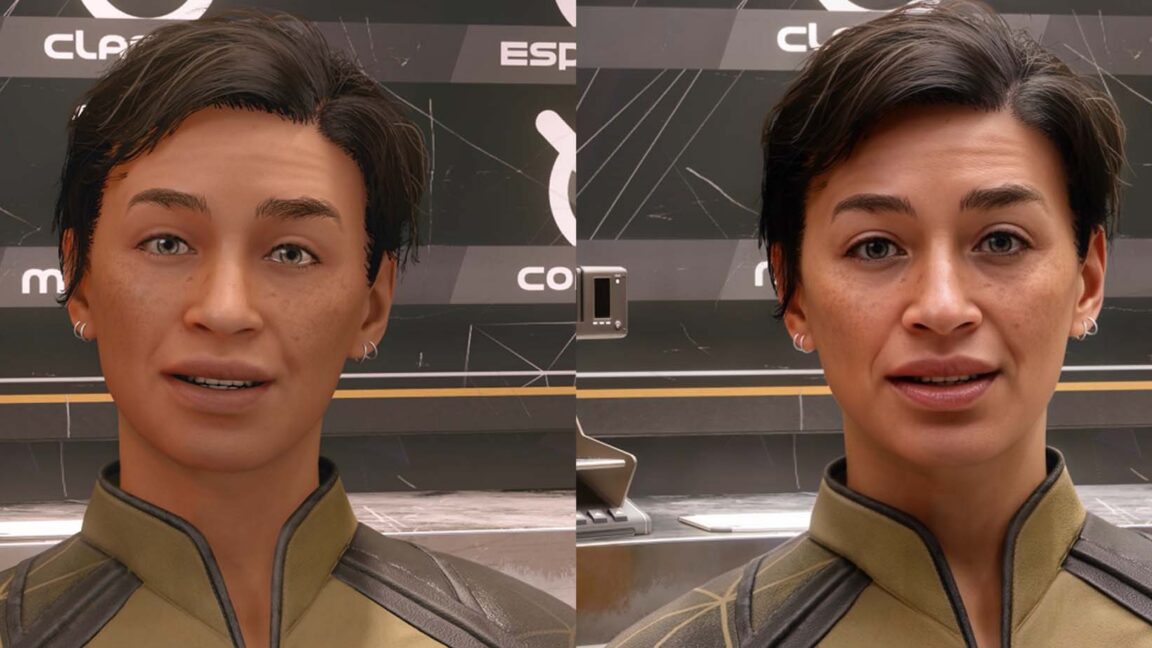
Nvidia CEO Jensen Huang recently addressed the growing controversy surrounding the company’s latest gaming technology, DLSS 5. Many gamers have criticized the new software, calling its AI-generated visuals "AI slop" because they feel the images look fake or generic. During a recent interview, Huang defended the technology by explaining that it is designed to follow the specific instructions of game artists. He argued that while he understands why people dislike low-quality AI content, DLSS 5 is a different kind of tool that respects the original work of creators.
Main Impact
The debate over DLSS 5 shows a major shift in how video games are made and played. For years, Nvidia has used AI to help games run faster and look sharper, but the jump to "generative AI" in DLSS 5 has caused a rift between the company and its customers. The main impact is a loss of trust from the gaming community, who fear that AI will replace the unique style of human artists with a bland, computerized look. If Nvidia cannot convince players that this technology improves games without ruining their artistic value, it could face a difficult road ahead with its future hardware and software releases.
Key Details
What Happened
The controversy began last week when Nvidia showed off what DLSS 5 can do. The technology uses generative AI to fill in details and enhance the lighting and textures of a game scene. However, the reaction from the public was largely negative. Many users online felt the enhanced scenes looked unnatural. In response, Jensen Huang appeared on the Lex Fridman Podcast to clear the air. He spent part of the two-hour interview talking about why he believes the "slop" label does not apply to Nvidia’s new software.
Important Numbers and Facts
During the interview, Huang made several points to separate DLSS 5 from standard AI image generators. He noted that the technology is "3D conditioned," which means it does not just guess what an image should look like. Instead, it uses the 3D models and structures already built by the game developers as a guide. Huang emphasized that the "ground truth structure"—the basic bones of the game world—is still created by humans. According to the CEO, the AI simply enhances every frame without changing the core design that the artists intended.
Background and Context
To understand this issue, it helps to know what DLSS is. It stands for Deep Learning Super Sampling. In the past, DLSS was mostly used to take a low-resolution image and make it look like a high-resolution one. This allowed games to run smoothly on less powerful computers. However, as the technology moved from version 1 to version 5, it began doing more than just sharpening images. It started creating entirely new frames and adding details that were not there before. This move into "generative" territory is what has made many gamers nervous about the future of visual art in gaming.
Public or Industry Reaction
The reaction from the gaming public has been described by some as "overwhelming disgust." Many players feel that AI-generated content lacks the "soul" of human-made art. They worry that every game will eventually start to look the same because they are all being filtered through the same Nvidia AI. On the other hand, some industry experts believe this is a necessary step to keep up with the rising costs of game development. They argue that if AI can handle the heavy lifting of graphics, developers can spend more time on story and gameplay. However, for now, the vocal majority of players remain highly skeptical of Huang's promises.
What This Means Going Forward
Nvidia is now in a position where it must prove its claims through results. The company needs to show that DLSS 5 can be used as a subtle tool rather than a heavy-handed filter. For game developers, the challenge will be learning how to use these AI tools without losing their specific artistic voice. If the technology leads to games that look "too perfect" or "too similar," the backlash will likely continue. We can expect to see more demonstrations from Nvidia in the coming months as they try to win back the favor of hardcore gamers and professional artists.
Final Take
Jensen Huang is trying to walk a fine line between pushing the limits of technology and respecting the traditions of art. While he claims to dislike "AI slop" as much as anyone else, the real test will be in the hands of the players. If DLSS 5 makes games feel more immersive without making them look fake, it will be a success. If not, Nvidia may have to rethink how much control they give to the machines.
Frequently Asked Questions
What is "AI slop"?
"AI slop" is a slang term used to describe low-quality, generic content created by artificial intelligence. It often refers to images or videos that look pretty at first glance but lack specific detail, logic, or human creativity.
How is DLSS 5 different from other AI tools?
Nvidia claims DLSS 5 is different because it is "3D guided." Instead of creating images from scratch, it uses the 3D maps and models provided by game artists to ensure the AI-generated details match the original design of the game.
Why are gamers upset about DLSS 5?
Gamers are worried that using generative AI to create game visuals will make all games look the same. They also fear that it will lead to "visual artifacts," which are strange glitches or blurry spots that sometimes appear when AI tries to draw complex scenes.