
Summary
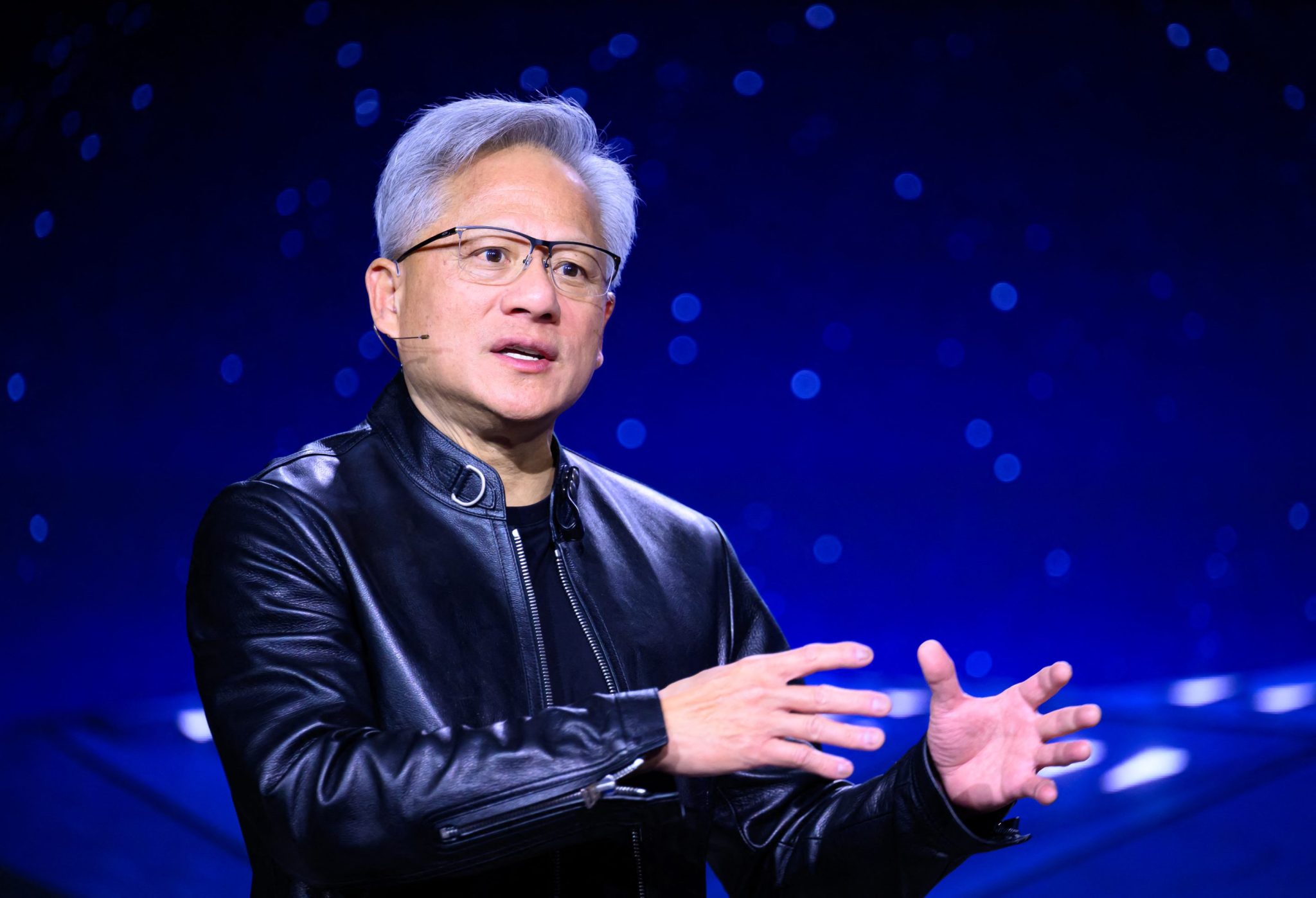
Nvidia CEO Jensen Huang recently shared a new perspective on how artificial intelligence will change the workplace. He believes that while AI might not steal your job directly, a coworker who knows how to use AI better than you might. This shift suggests that the real competition in the future will be between people who embrace new technology and those who do not. Huang emphasizes that learning to use these tools is the best way to stay relevant in a changing economy.
Main Impact
The biggest impact of this trend is a change in how companies value their employees. Instead of just looking at years of experience, managers are now looking for "expert AI users." This means that productivity is becoming the main way to measure success. If one employee can use AI to finish a project in ten minutes while another takes four hours, the faster worker becomes much more valuable to the business. This creates a new pressure for workers in every field to update their skills quickly.
Key Details
What Happened
During a talk at the Stanford Graduate School of Business, Jensen Huang explained that AI is more likely to change how we work rather than stop us from working. He noted that most jobs consist of many different tasks. While AI can do some of those tasks very quickly, it cannot replace the entire purpose of a person's job. However, he warned that people who refuse to use these tools will fall behind. He used the term "tokenmaxxing" to describe workers who use AI to get massive amounts of work done in very little time.
Important Numbers and Facts
Recent data shows a clear divide in the workforce. A report from the platform Writer found that 60% of business leaders are thinking about letting go of employees who will not use AI. On the other side, workers who do use AI are three times more likely to receive a pay raise or a promotion. Nvidia is even offering its own engineers "AI tokens" as a bonus, which can be worth nearly half of their total salary. This shows how much the company values the ability to work alongside smart machines.
Background and Context
For a long time, people have been afraid that robots would take over human jobs. This fear is especially high right now because AI can now write, code, and create images. About 40% of workers say they are worried that AI will make their roles unnecessary. Some employees are so concerned that they are even trying to slow down the use of AI at their companies. They worry that if the technology becomes too good, the company will not need them anymore. Huang’s comments are meant to show that the technology is a tool for humans to use, not a replacement for human effort.
Public or Industry Reaction
Not everyone agrees with Huang’s positive outlook. Other tech leaders have much darker predictions. For example, the CEO of Anthropic, Dario Amodei, has said that AI could soon replace half of all entry-level office jobs. Leaders at Microsoft have also suggested that white-collar jobs could see major changes in as little as 18 months. While Huang sees AI as a way to put 40 million people back into the workforce, others fear it will lead to mass unemployment for people who work in law, finance, and engineering.
What This Means Going Forward
In the coming years, we will likely see "AI agents" working alongside humans. Huang predicts that every human worker might have 100 AI assistants helping them with different parts of their job. This means the role of a manager will change from managing just people to managing a mix of people and digital tools. For young people entering the workforce, having "AI literacy" will be just as important as knowing how to read or use a computer. Companies will stop looking for just "marketers" or "accountants" and start looking for people who can use AI to do those jobs faster and better.
Final Take
The future of work is not about a fight between humans and machines. It is about how humans use machines to compete with one another. Staying safe in your career does not mean avoiding AI; it means becoming the person who knows how to use it best. Those who adapt will find themselves with more opportunities and higher pay, while those who resist may find it harder to keep their place in the modern office.
Frequently Asked Questions
Will AI take my job?
According to Jensen Huang, it is unlikely that AI will take your job directly. However, you might lose your job to a person who uses AI to work more efficiently than you do.
What is "tokenmaxxing"?
This is a slang term used to describe workers who use AI tools to finish hours of work in just a few minutes, greatly increasing their output and value to a company.
How can I protect my career from AI?
The best way to protect your career is to learn how to use AI tools in your specific field, whether you work in marketing, finance, or engineering. Being an "expert AI user" is becoming a highly sought-after skill.



