
Summary
Nvidia CEO Jensen Huang recently announced a massive growth forecast, predicting $1 trillion in orders for AI chips by 2027. Despite Nvidia becoming the world’s most valuable company, Huang has largely avoided the public anger directed at other AI leaders. While CEOs of companies like OpenAI and Meta face criticism over job losses and safety, Huang is still seen as a builder. This trend highlights how the company providing the tools for a tech boom often escapes the scrutiny faced by those using them.
Main Impact
Nvidia is now the central force behind the global shift toward artificial intelligence. With a market value of roughly $4 trillion, it has become more valuable than any other company on Earth. Its hardware and software power almost every major AI project, from famous chatbots to military systems. Because Nvidia provides the essential parts for AI to function, its success or failure dictates the speed of the entire industry.
Key Details
What Happened
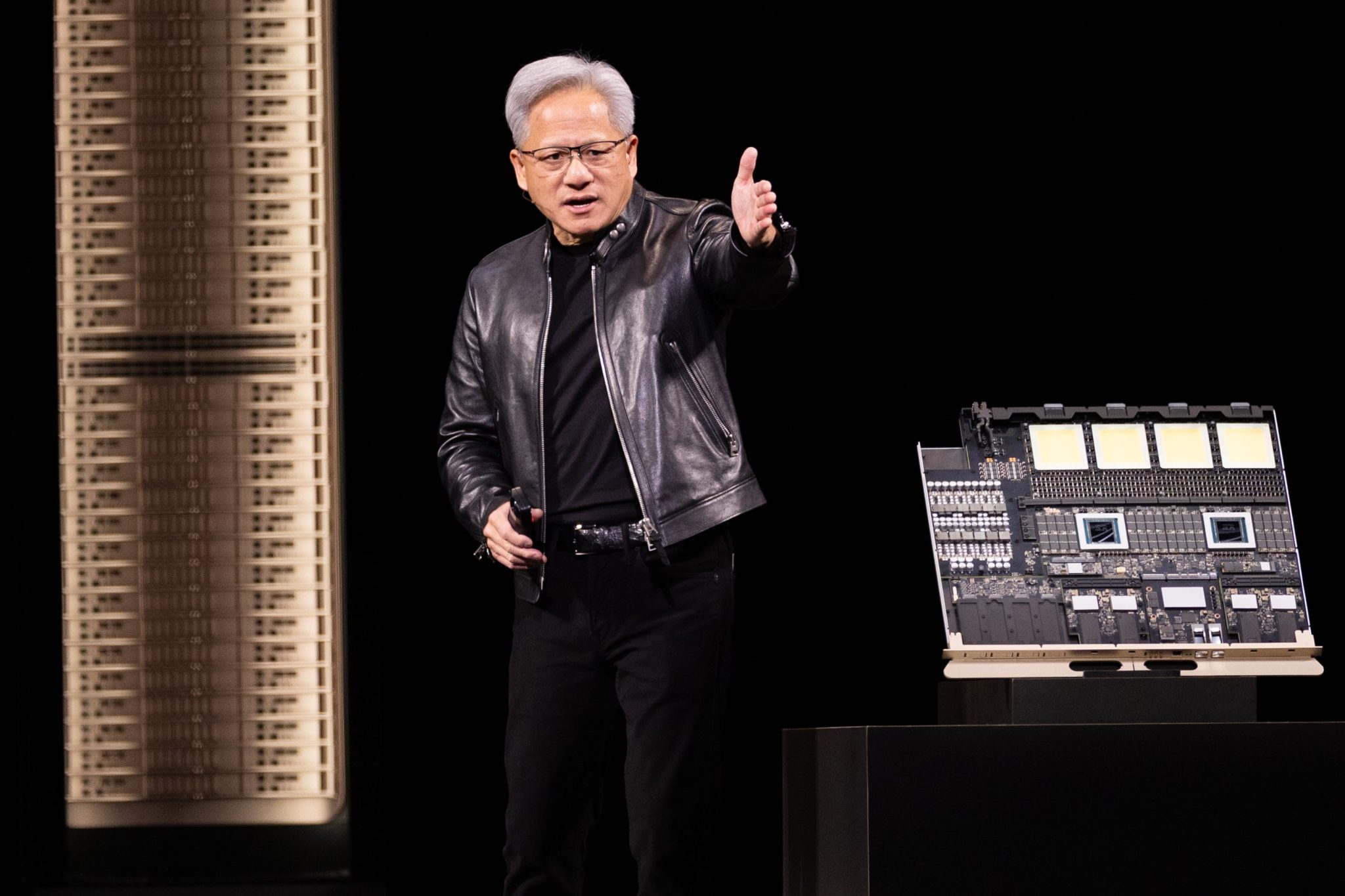
At the recent GTC conference in San Jose, Jensen Huang spoke to a crowd of nearly 20,000 people. This event has become so important that many call it the "Super Bowl of AI." During his speech, Huang explained that the world is building a massive new infrastructure for AI. He expects this to lead to $1 trillion in orders for Nvidia’s most advanced chips over the next few years. This shows that the demand for AI power is not slowing down.
Important Numbers and Facts
Nvidia’s financial reach is growing rapidly. The company is forecasting $1 trillion in revenue from AI infrastructure through 2027. To stay ahead, Nvidia launched the Vera Rubin platform, which includes seven new chips designed to run the largest AI models ever made. The company is also investing heavily in other businesses. It recently put $2 billion into a cloud company called Nebius and is supporting new startups like Thinking Machines. Nvidia is even moving into the car industry, where its chips help power self-driving vehicles.
Background and Context
To understand why Nvidia is treated differently, it helps to look at history. During a gold rush, the people who sell shovels and picks usually make a steady profit without getting into trouble. The miners are the ones who take the risks and face the most criticism. In the past, people blamed oil companies for environmental issues, not the companies that made the drills. They blamed railroad owners for high prices, not the steel mills that made the tracks. Today, Nvidia is the "tool maker" for the AI era. Because they don't make the final apps that people interact with every day, they stay out of the line of fire.
Public or Industry Reaction
The public reaction to AI has been mixed. Many people worry about AI taking jobs, using too much electricity, or stealing copyrighted work. On social media, leaders like Sam Altman are often called "evil" or criticized for their goals. However, Jensen Huang is usually praised as a brilliant engineer. Even though the massive data centers being built across the country use Nvidia chips and cause local complaints about noise and power, the blame rarely falls on Nvidia itself. Most people still view the company as a neutral supplier rather than the cause of AI's problems.
What This Means Going Forward
Nvidia is no longer just a chip company. It is trying to control every part of the AI process. Huang describes this as a "five-layer cake" that includes energy, chips, infrastructure, models, and applications. Nvidia wants to be involved in all five layers. As the company moves from just selling parts to running entire systems, it may lose its "shield" from public criticism. If Nvidia begins to control how AI applications work and how they use energy, it will likely face the same tough questions that Google and Meta face today.
Final Take
Nvidia has successfully positioned itself as the backbone of the modern tech world. By focusing on the hardware and systems that make AI possible, Jensen Huang has built a trillion-dollar empire while staying away from the typical tech backlash. However, as Nvidia grows and takes more control over the entire AI industry, its days of staying out of the spotlight may be coming to an end. The company is becoming too big and too important to remain invisible in the debate over the future of technology.
Frequently Asked Questions
Why is Nvidia so valuable?
Nvidia is valuable because it makes the specialized chips and software needed to run artificial intelligence. Almost every major tech company relies on Nvidia's hardware to build and operate their AI systems.
What is the "picks and shovels" strategy?
This refers to a business that sells the tools needed for an industry to work, rather than selling the final product. By selling the "tools" for AI, Nvidia makes money regardless of which AI app becomes the most popular.
Will Nvidia face more criticism in the future?
It is likely. As Nvidia moves into areas like energy and AI software, it will become more responsible for the social and environmental impacts of AI, which could lead to more public scrutiny.



