Summary
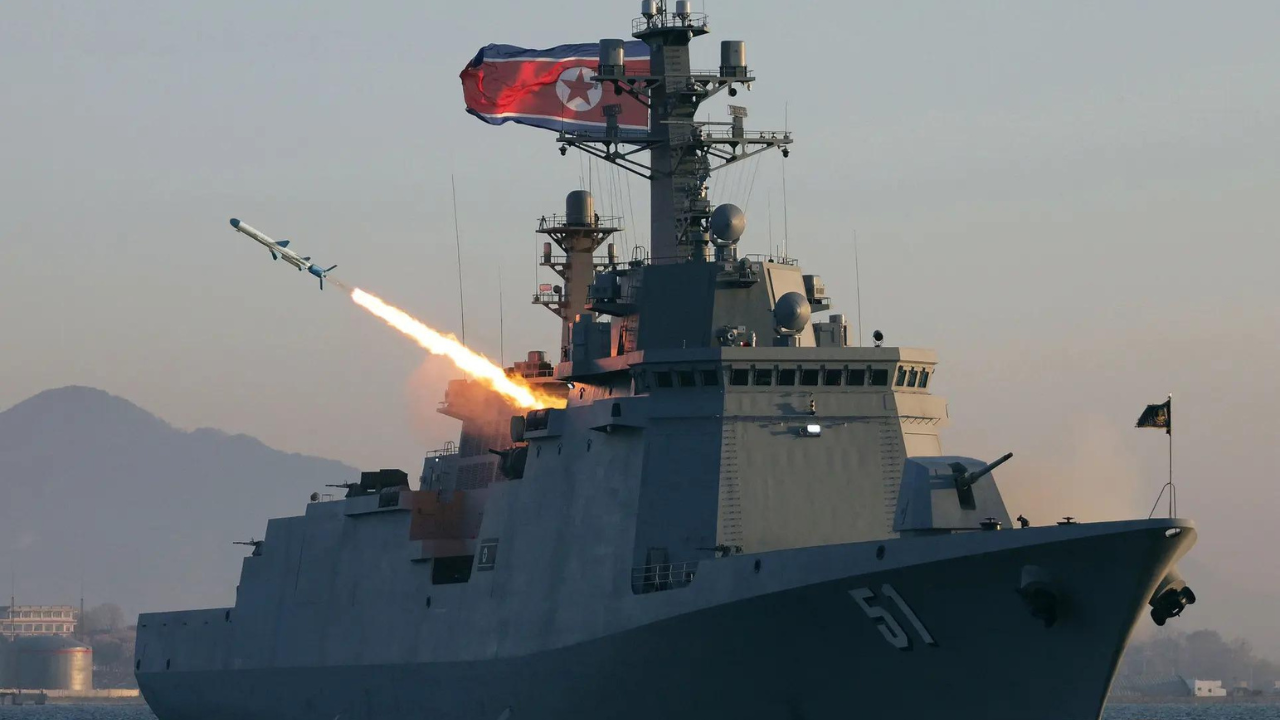
North Korea fired several ballistic missiles into the sea off its eastern coast on Sunday, April 19, 2026. This sudden military activity caused South Korea to immediately increase its border monitoring and call for an emergency meeting of top officials. Japan also confirmed the missile activity and issued a strong protest, stating that these actions break international rules and threaten the safety of the region. This event marks another moment of high tension in a long history of military standoffs on the Korean Peninsula.
Main Impact
The primary impact of these missile tests is a sharp increase in fear and military readiness across East Asia. When North Korea fires missiles, it forces neighboring countries like South Korea and Japan to put their armies on high alert. This creates a nervous environment for people living in the area and disrupts normal diplomatic efforts. Furthermore, these tests are seen as a direct challenge to the United Nations, which has told North Korea many times to stop developing this kind of weapon technology. The move also puts pressure on the United States to respond with either more military presence or stricter economic punishments.
Key Details
What Happened
Early on Sunday morning, North Korean military units launched multiple missiles from locations along their eastern shoreline. These weapons traveled through the air before landing in the waters between the Korean Peninsula and Japan. South Korea’s Joint Chiefs of Staff reported the activity almost immediately, using advanced radar and satellite tools to track the flight paths. While the exact type of missiles is still being studied, they were confirmed to be ballistic missiles, which are rockets that fly high into the atmosphere before falling toward their target.
Important Numbers and Facts
The launch took place on April 19, 2026. While the exact number of missiles has not been fully released, officials used the word "multiple" to describe the event. This suggests more than two or three weapons were tested at once. Japan’s Coast Guard issued warnings to ships in the area to watch for falling debris, though no damage to boats or airplanes was reported. These tests follow a series of similar events over the past year, showing that North Korea is continuing to build its military strength despite international pressure.
Background and Context
To understand why this matters, it is important to know that North Korea and South Korea have been in a state of conflict for decades. Although the fighting stopped in 1953, a formal peace treaty was never signed. North Korea often uses missile tests to show the world that it has a strong military. They believe these weapons protect them from being attacked by other countries. On the other hand, the rest of the world sees these tests as dangerous. The United Nations has passed many laws, called resolutions, that forbid North Korea from testing ballistic missiles because they could eventually be used to carry dangerous warheads over long distances.
Public or Industry Reaction
The reaction from the international community was swift and firm. South Korean leaders met in an emergency session to discuss how to protect their citizens and ensure their defense systems are working correctly. They called the launch a "clear provocation." In Japan, government spokespeople expressed deep anger, saying that the missiles landed within an area where Japanese fishing boats often work. They called the move a threat to regional peace and stability. Meanwhile, military experts suggest that these tests might be a response to recent joint military exercises between the United States and South Korea, which North Korea often views as a rehearsal for an invasion.
What This Means Going Forward
In the coming days, we can expect to see more military activity in the region. South Korea and the United States will likely fly more surveillance planes to keep an eye on North Korean launch sites. There is also a high chance that the United Nations Security Council will meet to talk about new ways to stop North Korea from conducting more tests. For the average person, this means that the risk of a military accident remains high. If a missile were to accidentally land too close to a populated area or a ship, it could lead to a much larger conflict that would be hard to stop.
Final Take
The latest missile launches by North Korea show that the country has no plans to slow down its military development. As long as these tests continue, the relationship between North Korea and its neighbors will remain tense and unpredictable. The world is now watching closely to see if this leads to a new round of even more powerful weapon tests or if diplomatic talks can finally begin again to bring some calm to the region.
Frequently Asked Questions
What is a ballistic missile?
A ballistic missile is a type of rocket that is powered at first but then follows a high, arching path through the sky before falling back down to hit a target. They are considered dangerous because they can travel very fast and carry heavy explosives.
Why is North Korea not allowed to test these missiles?
The United Nations has banned North Korea from testing this technology because it can be used to create long-range weapons that threaten global safety. The goal of these rules is to encourage North Korea to give up its nuclear weapons program.
How do South Korea and Japan know when a missile is launched?
Both countries use very powerful radar systems on the ground and on ships. They also get information from satellites in space that can see the heat and light created when a rocket engine starts. This allows them to track the missile in real-time.