
Summary
North India is currently facing a period of highly unpredictable weather, with heavy snow falling in the mountains and intense storms hitting the plains. While the higher regions of Kashmir are covered in fresh snow, Delhi and its surrounding areas are dealing with strong winds and heavy rain. This sudden change has brought a break from the rising heat, but it has also caused travel delays and safety risks for many people. Authorities are keeping a close watch as these conditions are expected to continue for a few more days.
Main Impact
The most immediate effect of this weather shift is the cooling of temperatures across the region. In Delhi, the heat has dropped significantly, providing relief to residents who were starting to feel the summer sun. However, this relief comes with a price. The strong winds and storms have led to major travel problems, especially at the airport. In the mountains, the snow has blocked some roads and made travel difficult for locals and tourists alike. While the rain helps lower the temperature, it has not yet fixed the poor air quality issues in the capital city.
Key Details
What Happened
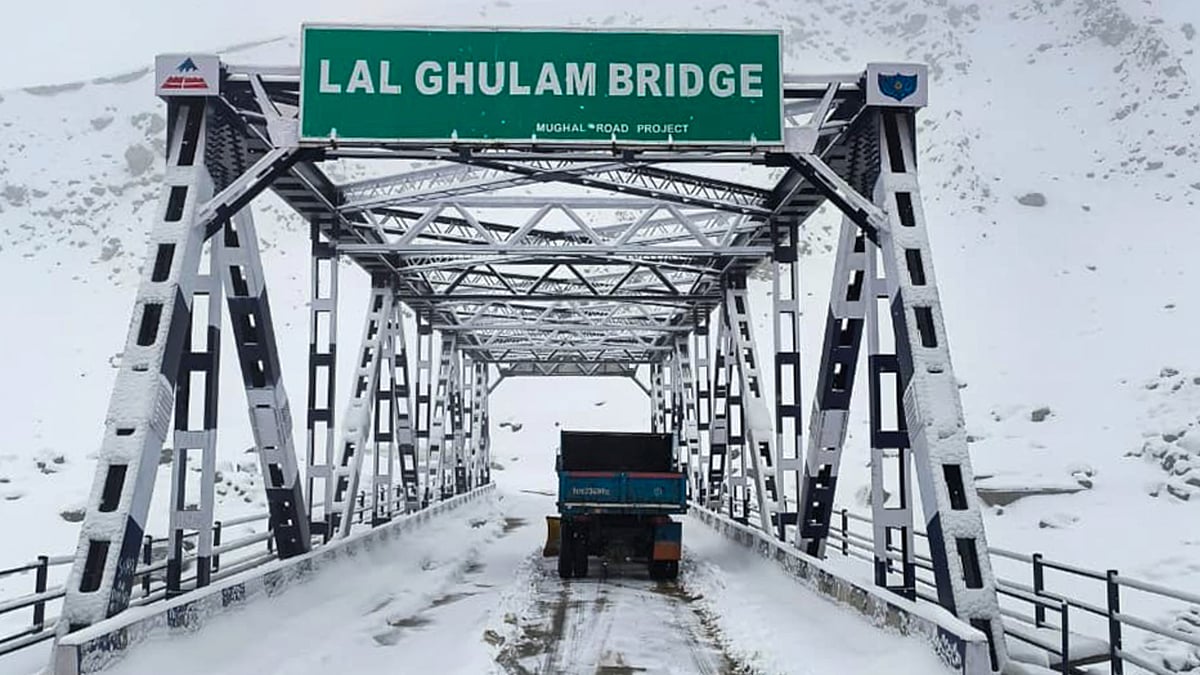
In Kashmir, the higher reaches saw a significant amount of snow starting on Wednesday night. Popular spots for visitors, such as Gulmarg and Sonamarg, were covered in white. Meanwhile, the lower areas and the city of Srinagar experienced steady rainfall. Further south, in Delhi, the weather turned violent on Wednesday evening. A massive dust storm followed by rain and lightning swept through the city. The sky remained dark and cloudy through Thursday, with the weather office issuing a high-level warning for more storms.
Important Numbers and Facts
The weather data shows just how strong these storms were. In Gulmarg, about five to six inches of snow fell in a short period. Other mountain passes like Pir Ki Gali and Razdan Top also saw heavy accumulation. In Delhi, the wind speeds were very high. Pragati Maidan recorded winds of 68 kmph, while other areas like Pusa and Palam saw speeds between 52 and 65 kmph. Because of the bad weather, 16 flights had to be moved away from the Delhi airport to other cities for safety. The temperature in the capital stayed around 19°C, which is much lower than usual for this time of year.
Background and Context
This type of weather is often caused by what experts call "western disturbances." These are weather systems that come from the Mediterranean region and bring rain and snow to North India. While it is common to have some rain in March, the intensity of these storms and the amount of snow in the mountains are quite high for this late in the season. These events matter because they affect farming, water supplies, and the tourism industry. For people living in Delhi, these storms are a reminder of how quickly the local climate can change from hot and dry to cold and stormy.
Public or Industry Reaction
The aviation industry was hit hard by the sudden storms. Airlines had to tell passengers to check their flight status before leaving for the airport. Many travelers were stuck as planes were diverted to other cities. On the ground, traffic was slowed down by the heavy rain and wind. Safety officials have told people to stay indoors during the peak of the storms. They warned that strong winds can knock over trees or loose signs, which can be dangerous. In Kashmir, the tourism sector is seeing a mix of reactions; while the snow is good for winter sports, it makes traveling between different tourist spots much harder.
What This Means Going Forward
The India Meteorological Department (IMD) says that this weather will not go away immediately. An orange alert remains in place for Delhi, meaning people should be prepared for more rain and lightning. In Kashmir, the snow and rain are expected to last until at least March 20. After that, there might be a short dry period before more rain arrives later in the month. Other parts of India, like West Bengal and Tamil Nadu, are also expected to see rain and even hailstorms. This suggests that the entire country is going through a phase of unstable weather that could last for another week.
Final Take
The current weather across North India shows how powerful and unpredictable nature can be during the change of seasons. While the snow in Kashmir is a beautiful sight and the rain in Delhi brings a cool breeze, the disruptions to travel and daily life are serious. Residents should stay informed by checking weather updates and follow safety advice from local officials until the skies clear up.
Frequently Asked Questions
Why is there an orange alert in Delhi?
An orange alert is issued when the weather is expected to be severe enough to cause disruptions. In this case, it is due to heavy rain, lightning, and very strong winds that can reach up to 60 kmph.
How much snow fell in Kashmir?
Higher areas like Gulmarg reported about five to six inches of fresh snow. Other mountain passes also saw significant snowfall, while the lower plains experienced heavy rain.
Is the air quality in Delhi better after the rain?
Even though the rain helped cool the city, the air quality index (AQI) still stayed in the moderate to poor range. Rain does not always clear all the pollution immediately, especially when dust storms occur first.

