
Summary
Congress leader Rahul Gandhi has criticized the central government following a wave of violent protests by factory workers in Noida. He described the unrest as a desperate cry for help from laborers who are struggling with low pay and high living costs. The protests, which took place in several industrial areas, led to clashes with police, many arrests, and major traffic delays. Gandhi argued that the current economic situation is making life impossible for the working class despite the government's claims of national progress.
Main Impact
The recent unrest in Noida has brought the struggle of industrial workers into the national spotlight. While the government promotes the idea of a "Viksit Bharat" or Developed India, the protests suggest a different reality for those on the ground. The main impact of this event is a growing debate over whether economic growth is reaching the poorest people. With workers demanding a significant increase in their monthly pay, the tension between industrial needs and worker welfare has reached a breaking point. This situation has forced the state government to set up a special panel to look into the problems faced by these laborers.
Key Details
What Happened
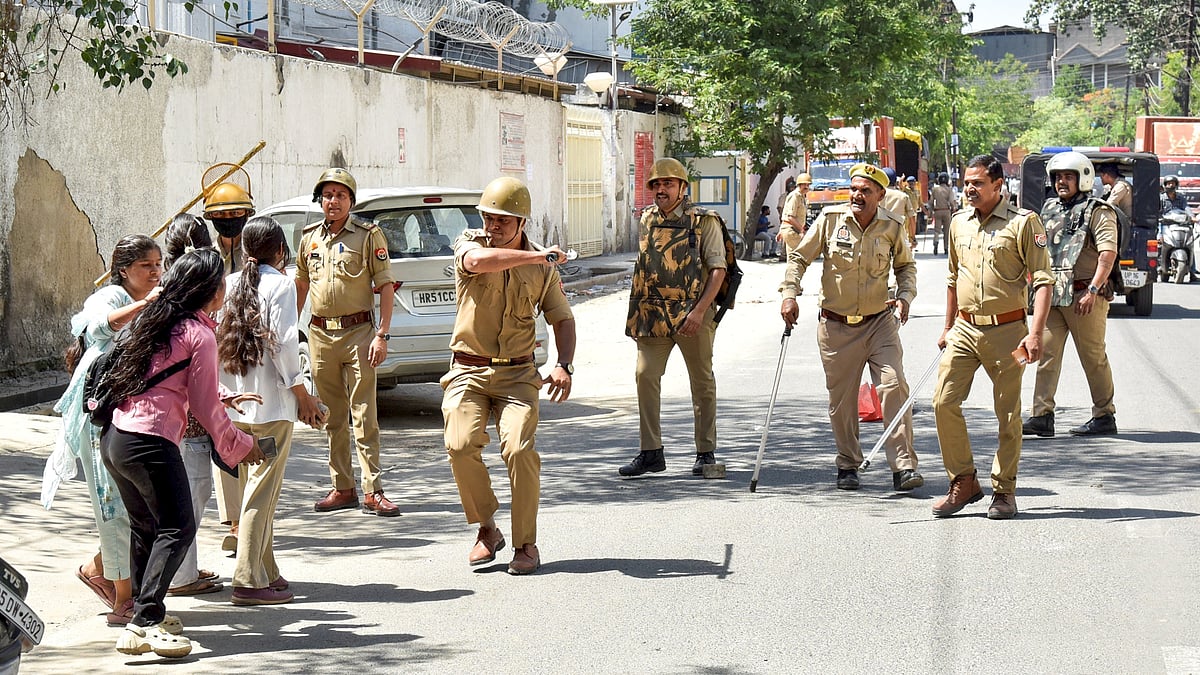
On Monday, thousands of factory workers in Noida’s industrial hubs, including Sector 62, Sector 63, and Phase-2, walked out of their workplaces. What began as a peaceful demand for better pay quickly turned into a chaotic scene. Protesters blocked major roads, including National Highway-9, which connects Noida to Delhi. As the day went on, the situation turned violent. Some groups began throwing stones and setting vehicles on fire. Public property was damaged, and the police had to use force to clear the streets and restore order. By the end of the day, thousands of commuters were left stranded for hours.
Important Numbers and Facts
The scale of the protest and the police response is reflected in the official data. Police officials confirmed that more than 300 people have been arrested so far. Authorities have filed seven First Information Reports (FIRs) against individuals involved in the violence and those accused of spreading rumors on social media. In terms of the economic struggle, Rahul Gandhi pointed out that many workers earn only about Rs 12,000 per month. Out of this small amount, they often pay between Rs 4,000 and Rs 7,000 just for rent. Workers are now demanding a minimum monthly wage of Rs 20,000 to keep up with the rising cost of food and fuel.
Background and Context
This protest did not happen in a vacuum. It is the result of long-standing frustration over wages that have stayed the same while the price of everything else has gone up. For example, some workers reported having to pay as much as Rs 5,000 for a single gas cylinder during shortages. Additionally, new labor laws introduced in November 2025 have caused concern. Critics say these new rules allow companies to make people work longer hours without providing enough extra pay. Rahul Gandhi mentioned that while global issues like trade wars and supply chain problems affect the economy, the rich are protected while the poor suffer the most. He argued that the "backbone of the country" is being treated as a burden by the current administration.
Public or Industry Reaction
The reaction to the protests has been mixed. Police officials, including Noida Commissioner Laxmi Singh, stated that they are investigating whether an organized group or "syndicate" was behind the violence. They believe the unrest might have been planned to cause maximum disruption. On the other hand, labor rights groups and opposition leaders say the violence was a natural result of people being pushed to their limits. Business owners in the industrial sectors have expressed concern over the safety of their factories and the loss of production time. In response to the chaos, the state government has formed a committee to talk to the workers and find a way to address their complaints peacefully.
What This Means Going Forward
The events in Noida serve as a warning for other industrial cities across India. If the gap between wages and the cost of living continues to grow, more protests could occur. The government now faces the difficult task of balancing the demands of workers with the needs of factory owners. If the new state panel cannot find a solution that satisfies the laborers, the risk of further strikes remains high. Furthermore, this issue will likely become a major talking point in upcoming political debates, as the opposition continues to use these protests to challenge the government’s economic record. The focus will now be on whether the minimum wage will be raised and how the new labor codes will be managed.
Final Take
The Noida protests show that economic statistics do not always tell the whole story of a country's health. While the nation moves toward its goals of modernization, the people working in the factories are asking for the basic ability to pay their rent and feed their families. True progress will require ensuring that the people building the country are not left behind in debt and poverty. The government's next steps will determine if this was a one-time event or the start of a much larger movement for workers' rights.
Frequently Asked Questions
Why were the workers protesting in Noida?
The workers were demanding higher monthly wages, specifically asking for a minimum of Rs 20,000. They were also protesting against high rent, rising food prices, and new labor laws that they feel are unfair.
How many people were arrested during the unrest?
According to the Noida police, more than 300 people have been arrested, and seven official cases (FIRs) have been registered following the violence and property damage.
What is the government doing to solve the problem?
The state government has created a special panel to investigate the workers' grievances. This committee is expected to talk with both labor representatives and factory owners to find a solution to the wage dispute.

