
Summary
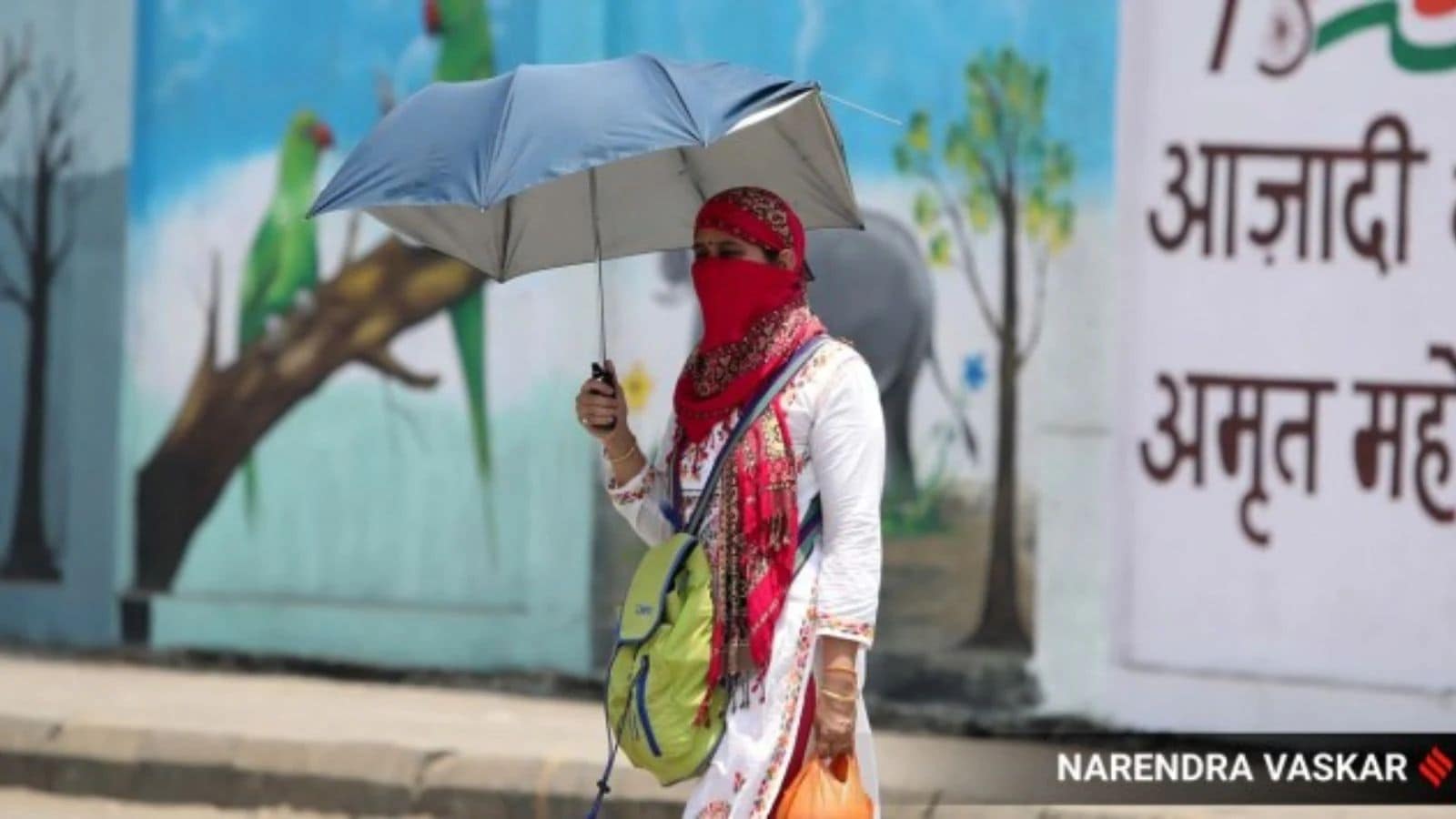
The Maharashtra government has introduced a new set of rules to protect outdoor workers from extreme heat. Under the new Standard Operating Procedure (SOP), outdoor labor is now restricted during the hottest hours of the day. This decision comes as temperatures across the state continue to rise, posing a serious health risk to thousands of laborers. By shifting work hours, the state aims to reduce heat-related illnesses and ensure the safety of its workforce.
Main Impact
The most significant impact of this new policy is the mandatory change in daily work schedules. For years, construction and field workers have labored through the peak afternoon sun. Now, employers must stop all outdoor activities during the middle of the day. This shift affects a wide range of industries, including construction, agriculture, and delivery services. While the move is designed to save lives, it also requires companies to rethink their project timelines and daily operations to maintain productivity without risking worker health.
Key Details
What Happened
The Maharashtra state government officially released an SOP that bans outdoor work during peak heat hours. Specifically, work must stop between 12:00 PM and 4:00 PM when the sun is at its strongest. This rule applies to all outdoor activities where workers are directly exposed to sunlight. To make up for the lost time, many sites are now starting work as early as 6:00 AM or extending shifts late into the evening after the sun goes down.
Important Numbers and Facts
Temperatures in regions like Vidarbha and Marathwada often climb above 40 degrees Celsius during the summer months. In some areas, the heat has even touched 45 degrees Celsius in recent years. The new guidelines require employers to provide more than just a break. They must also supply clean drinking water, ORS (Oral Rehydration Salts) packets, and shaded areas for resting. Additionally, emergency medical kits must be available on-site to treat anyone showing signs of heat exhaustion or heatstroke immediately.
Background and Context
Heatwaves have become more frequent and intense across India. Maharashtra is one of the states most affected by these rising temperatures. In the past, extreme heat has led to hospitalizations and, in tragic cases, deaths among those working in the sun. The state government recognized that the traditional 9-to-5 workday is no longer safe during the peak of summer. This new policy is part of a broader "Heat Action Plan" meant to adapt to changing weather patterns. By making these rules official, the government is holding employers accountable for the well-being of their staff.
Public or Industry Reaction
The reaction to the new rules has been mixed but generally positive regarding safety. Workers have expressed relief, noting that working under the afternoon sun had become unbearable and dangerous. Many laborers reported feeling dizzy or weak during the hottest hours, and they welcome the chance to rest. On the other hand, some contractors and developers are concerned about project delays. They argue that stopping work for four hours every day will make it harder to meet deadlines. However, industry experts suggest that a healthy worker is more productive in the long run than one who is suffering from heat-related fatigue.
What This Means Going Forward
This change marks a shift in how labor is managed in hot climates. We can expect to see more "split-shift" schedules becoming the norm during the summer months. Companies may also invest more in cooling technology and better-designed rest areas. If the Maharashtra model is successful in reducing heatstroke cases, other states in India may adopt similar rules. For the delivery and logistics sector, customers might notice different delivery windows as companies try to keep their riders off the road during the peak heat of the day.
Final Take
Protecting the people who build our cities and grow our food is a basic necessity. As the weather becomes more extreme, our old ways of working must change to keep people safe. While adjusting schedules might be difficult at first, the long-term benefits of a healthier and safer workforce are worth the effort. This policy shows that worker safety is finally being treated with the importance it deserves in the face of a changing environment.
Frequently Asked Questions
What are the restricted hours for outdoor work in Maharashtra?
According to the new rules, outdoor work is prohibited during the peak heat period, which is typically between 12:00 PM and 4:00 PM.
Which workers are covered under these new heat rules?
The rules apply to all outdoor laborers, including those in construction, farming, street vending, and delivery services who are exposed to direct sunlight.
What must employers provide besides a break from work?
Employers are required to provide shaded rest areas, plenty of clean drinking water, ORS packets to prevent dehydration, and emergency medical supplies on-site.



