
Summary
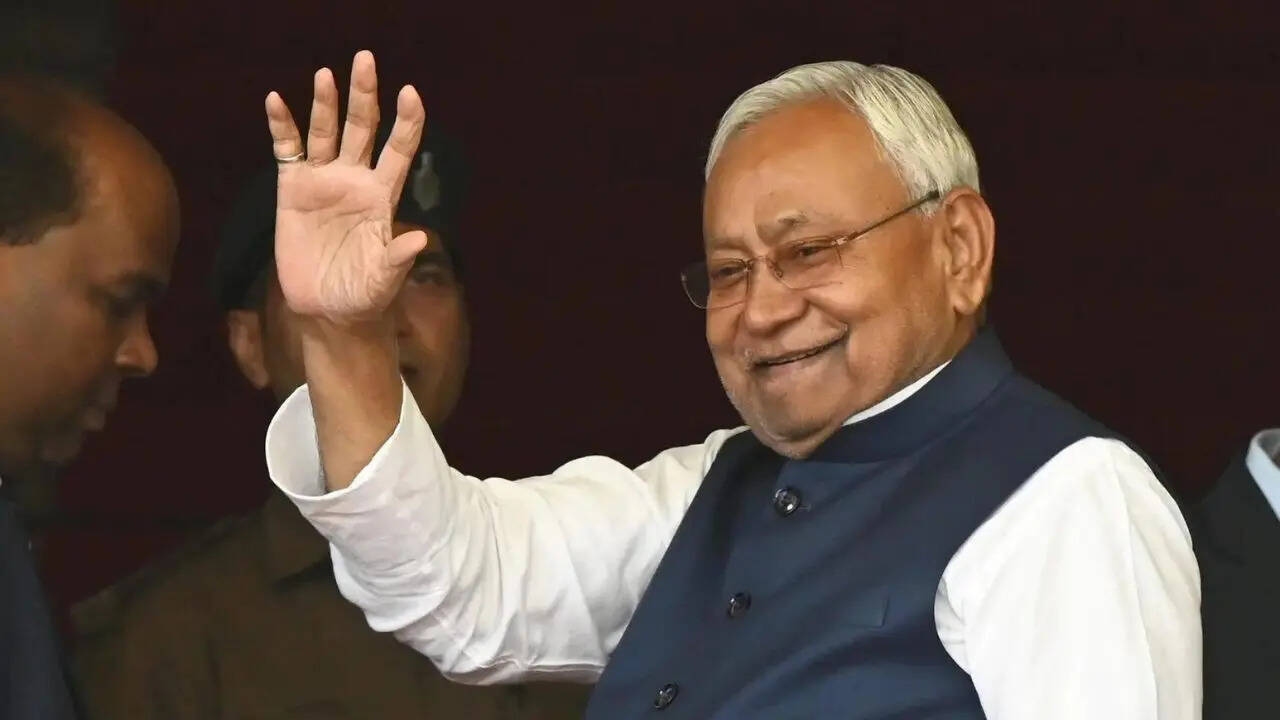
Nitish Kumar has officially resigned from his position as the Chief Minister of Bihar. This major political move took place on April 14, 2026, marking a significant shift in the state's leadership. Kumar handed his resignation to the Governor, ending his current term and leaving the state's political future in question. Despite the sudden change, he expressed strong confidence that Bihar would continue to move forward and prosper.
Main Impact
The resignation of Nitish Kumar has caused an immediate shift in the political balance of Bihar. As the leader of the state for many years, his departure creates a power vacuum that various political parties are now rushing to fill. This move affects not only the local government but also the alliances between national parties. It forces a complete rethink of how the state will be governed and which parties will work together to form a new majority in the assembly.
Key Details
What Happened
On Tuesday morning, Nitish Kumar traveled to the Raj Bhavan in Patna to meet with the Governor. During this meeting, he submitted his formal resignation letter. After leaving the meeting, he spoke to reporters and confirmed that he was stepping down. He explained that the current political situation made it difficult for him to continue in his role under the existing setup. He did not provide specific details about his next move but made it clear that he felt this was the right step for the state at this time.
Important Numbers and Facts
Nitish Kumar has a long history of leading Bihar, having served as Chief Minister multiple times over the last two decades. The Bihar Legislative Assembly consists of 243 seats. To form a government, a party or a group of parties needs the support of at least 122 members. Currently, the political parties in the state are holding emergency meetings to count their supporters and see if they have enough numbers to claim the right to form the next government. This resignation marks one of several times Kumar has changed his political path during his career.
Background and Context
Bihar is one of the most politically active states in India. Because of its large population, what happens in Bihar often influences national politics. Nitish Kumar, who leads the Janata Dal (United) party, has been a central figure in the state since 2005. He is known for his focus on building roads, improving schools, and bringing electricity to rural areas. However, his career has also been defined by his ability to switch between different political alliances. He has worked with both the National Democratic Alliance (NDA) and the Grand Alliance (Mahagathbandhan) at different times. This flexibility has allowed him to stay in power, but it has also led to frequent changes in the state's government structure.
Public or Industry Reaction
The reaction to the resignation has been mixed across the state. Supporters of Nitish Kumar believe he is making a strategic move to ensure better governance for Bihar. They trust his vision and believe he will return in a stronger position. On the other hand, opposition leaders have been quick to criticize the move. They argue that frequent changes in leadership cause confusion and slow down the development of the state. Many citizens are expressing their views on social media, with some worried about the stability of the government and others hoping for a fresh start with new leaders. Business leaders in the region are also watching closely, as they prefer a stable political environment for investment.
What This Means Going Forward
In the coming days, the Governor will play a key role in deciding the next steps. He may ask Nitish Kumar to stay on as a caretaker Chief Minister until a new leader is chosen. Political parties will spend the next few days negotiating and trying to build a new coalition. There are two main possibilities: either a new alliance will be formed to take over the government, or the state might have to prepare for fresh elections if no one can prove they have enough support. This period of transition will be a test for the state's administration to ensure that public services continue to run smoothly while the political leaders work out their differences.
Final Take
Nitish Kumar’s resignation is a turning point for Bihar. While it brings a period of uncertainty, it also opens up the possibility for new political arrangements. The state has shown resilience in the past during leadership changes, and the focus remains on maintaining growth and stability. The next few weeks will be critical in determining who will lead Bihar into its next chapter and how the new leadership will address the needs of its millions of citizens.
Frequently Asked Questions
Why did Nitish Kumar resign as Chief Minister?
Nitish Kumar resigned because of changes in the political situation and disagreements within his governing alliance. He stated that he felt it was no longer possible to continue under the current conditions.
What happens to the Bihar government now?
The Governor will talk to different political parties to see if anyone can form a new government. Until then, the state may have a caretaker government or, in some cases, be placed under temporary central control.
Will there be new elections in Bihar?
New elections will only happen if no political party or alliance can prove they have the support of the majority of the members in the state assembly. For now, parties are trying to form a new government without an election.



