
Summary
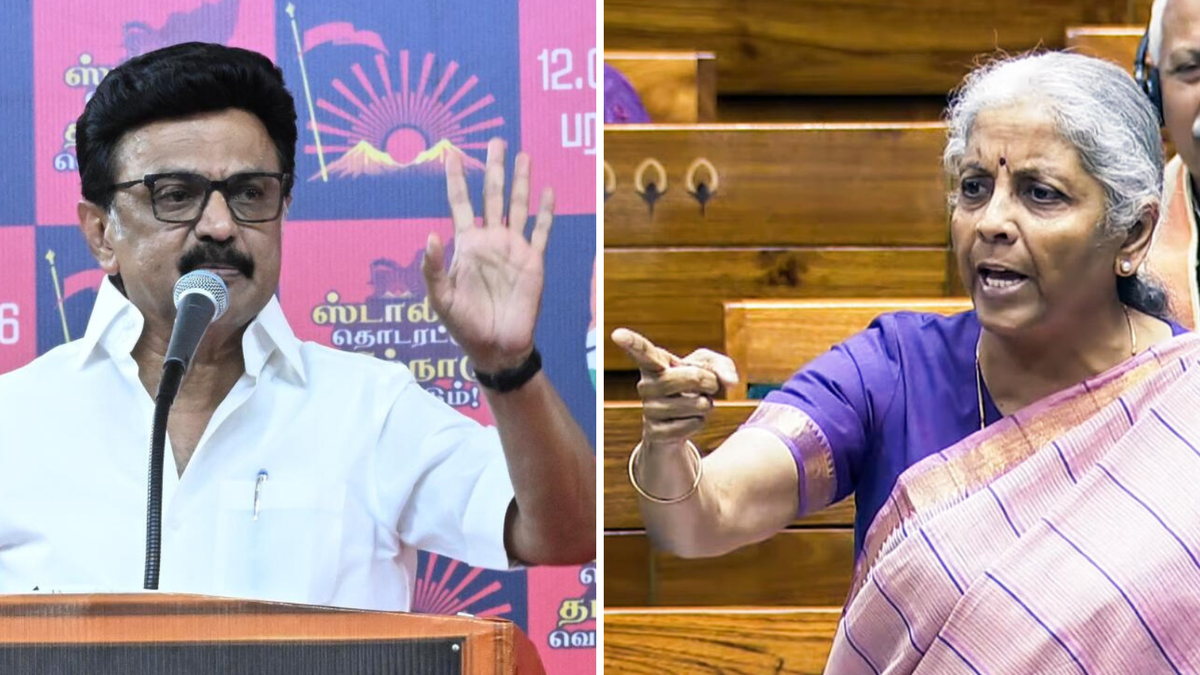
Union Finance Minister Nirmala Sitharaman and Tamil Nadu Chief Minister M.K. Stalin have entered a public disagreement over a recent government letter. The dispute centers on a message sent by the Union Finance Ministry to state governments regarding financial incentives for paddy farmers. While Chief Minister Stalin views the letter as an attempt to stop states from helping farmers, Minister Sitharaman argues it is a standard procedure to ensure financial discipline across the country. This clash highlights the ongoing tension between the central government and state leaders over how money is spent on agricultural support.
Main Impact
The main impact of this disagreement is the uncertainty it creates for millions of rice farmers who rely on extra payments from the state. In India, the central government sets a Minimum Support Price (MSP) for crops, but many states choose to pay an additional "bonus" to help farmers cover rising costs. If the central government limits these bonuses, farmers in states like Tamil Nadu could see a drop in their total income. This situation also strains the relationship between the Centre and the states, making it harder for them to work together on economic policies.
Key Details
What Happened
The conflict began after the Union Finance Ministry sent a letter dated January 9 to the Chief Secretaries of all states. This letter discussed the rules for state spending and how extra incentives for paddy could affect the national economy. Chief Minister M.K. Stalin took to social media to criticize the move, calling it an "anti-farmer" step. He argued that the central government was trying to block the Tamil Nadu government from providing much-needed financial relief to those who grow rice. In response, Nirmala Sitharaman clarified that the letter was not a new or targeted attack on any single state. She explained that it was a routine communication sent to every state to maintain fiscal health.
Important Numbers and Facts
The letter in question was sent on January 9 and was addressed to the top administrative officers in every state. The core of the issue is the "bonus" paid on top of the Minimum Support Price. Currently, the central government buys paddy at a fixed rate to ensure farmers get a fair deal. However, some states add an extra amount per quintal (100 kilograms) to support their local agricultural workers. The central government monitors these payments because they can influence the total amount of money a state borrows and how much debt it carries. The Finance Ministry’s goal is to keep state borrowing within safe limits to prevent future economic problems.
Background and Context
To understand why this matters, it is important to know how farming works in India. Farming is the main source of income for a large part of the population. Because weather and market prices can be unpredictable, the government uses the Minimum Support Price system to protect farmers from losing money. While the central government sets this price, states often feel it is not enough to cover the actual costs of seeds, water, and labor. To help, states like Tamil Nadu use their own budgets to give farmers more money. The central government, however, has to look at the bigger picture. If states spend too much money on these bonuses, they might not have enough for other things like roads, schools, or hospitals. They might also have to borrow more money, which can lead to high interest payments and financial instability for the whole country.
Public or Industry Reaction
The reaction to this online feud has been divided. Farmer unions in Tamil Nadu have expressed worry that they might lose their extra income if the state government is forced to follow strict new rules. Many agricultural experts believe that farmers need every bit of help they can get, especially with the rising costs of fertilizer and fuel. On the other hand, some economists agree with the central government. They argue that if every state keeps increasing bonuses without a clear plan, it could lead to inflation and make it harder for the central government to manage the national budget. Political rivals have also used this moment to trade barbs, with the opposition accusing the ruling party of being out of touch with the needs of rural workers.
What This Means Going Forward
Looking ahead, this dispute could lead to a larger debate about state rights and central control. States want the freedom to spend their money as they see fit to help their people. The central government wants to make sure the entire country stays financially healthy. We may see more meetings between state finance ministers and the Union Finance Ministry to find a middle ground. If no agreement is reached, it could become a major talking point in upcoming elections. Farmers will be watching closely to see if their bank accounts are affected by these policy changes. There is also a risk that other states might join the protest if they feel their ability to support local industries is being limited by the Centre.
Final Take
At its heart, this is a debate about balance. It is a struggle between the immediate need to support farmers and the long-term goal of keeping the nation's finances stable. While both sides claim to have the best interests of the people in mind, the public disagreement shows how difficult it is to manage a large and diverse economy. Clear communication and cooperation between the central and state governments will be necessary to ensure that farmers are protected without putting the country's financial future at risk.
Frequently Asked Questions
What is the paddy incentive mentioned in the news?
The paddy incentive is an extra amount of money that some state governments pay to farmers on top of the Minimum Support Price (MSP) set by the central government. It helps farmers cover their costs and earn a better profit.
Why is the central government concerned about these incentives?
The central government is concerned because high spending on incentives can lead to states taking on too much debt. They want to ensure that states follow financial rules so that the national economy remains stable and inflation stays under control.
Was the letter only sent to Tamil Nadu?
No, the Union Finance Minister clarified that the letter was sent to the Chief Secretaries of all states in India. It was a general communication about financial discipline and was not specifically targeting Tamil Nadu.



