
Summary
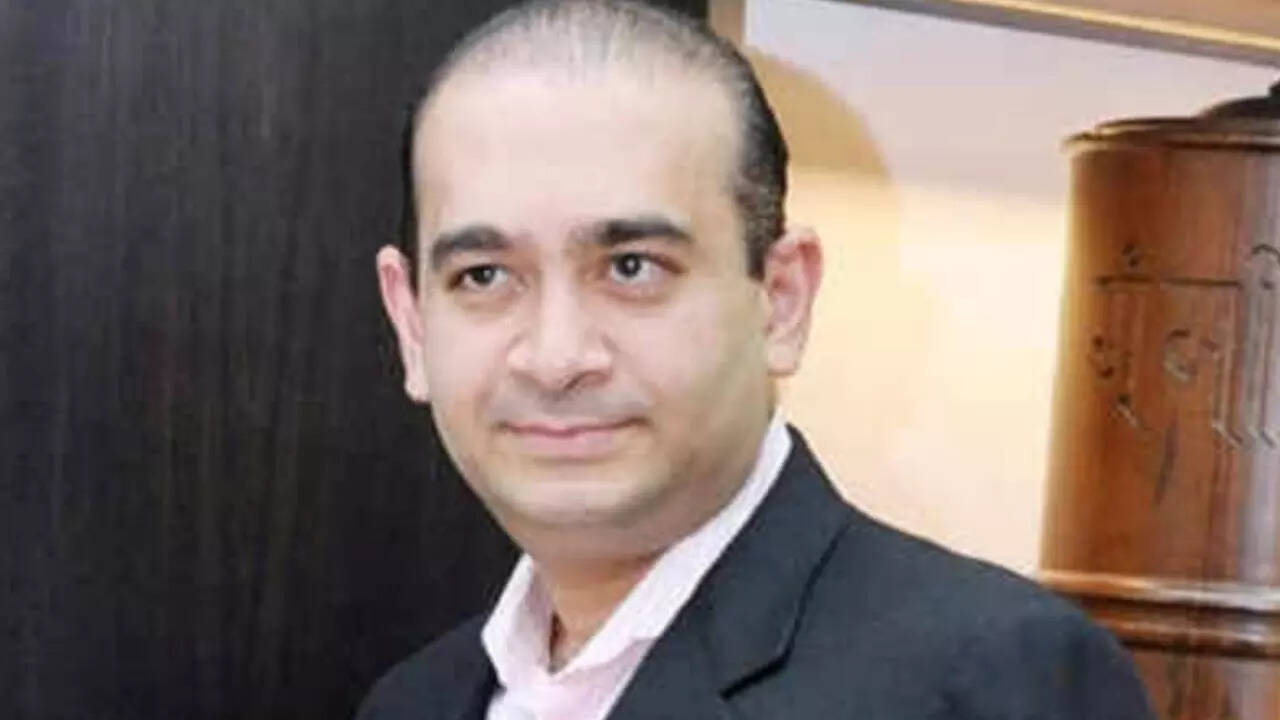
Nirav Modi, the diamond merchant who left India years ago, has taken a strong stand in a London court. During a civil trial, he denied owing more than $10.7 million to the Bank of India. He told the court that his successful business, which he built over 20 years, was ruined not by his own actions but by Indian government agencies. This latest statement shows that Modi is not backing down and continues to fight the legal charges against him from abroad.
Main Impact
The main impact of this testimony is a direct challenge to the Indian government's narrative. For years, Indian officials have described Nirav Modi as the mastermind behind a massive bank fraud. By blaming the Central Bureau of Investigation (CBI) and the Enforcement Directorate (ED), Modi is trying to paint himself as a victim of unfair treatment. This strategy could affect how international courts view his case and might slow down the process of bringing him back to India to face trial.
Key Details
What Happened
Nirav Modi appeared in a London court to speak about a debt claim. The Bank of India is trying to recover over $10.7 million that they say he owes them. Instead of agreeing to pay, Modi used the time to speak out against the way he has been treated. He claimed that he never committed any fraud against the Punjab National Bank (PNB). He also said that the banks and the Indian police worked together to shut down his shops and offices before he could even explain his side of the story.
Important Numbers and Facts
The legal battle involves a specific claim of $10.7 million by the Bank of India. Modi mentioned that he had been in business for 20 years before his companies collapsed in 2018. He also pointed out that the CBI filed a First Information Report (FIR) against him very quickly. According to Modi, this was done through a secret agreement between the bank and the investigators. He believes that if the ED had not frozen his assets and stopped his work, his business would still be running today.
Background and Context
To understand this situation, it is important to know who the CBI and ED are. The CBI is India’s main police agency for big crimes, and the ED is the group that looks into money-related crimes. In 2018, these agencies accused Nirav Modi of using fake documents to get huge loans from the Punjab National Bank. They claim he took billions of dollars and then left the country before he could be caught.
Since then, Modi has been living in the United Kingdom. He has spent a long time in a London prison while fighting against being sent back to India. The Indian government has already sold some of his expensive cars, paintings, and properties to get some of the money back. However, Modi maintains that his business was legitimate and that the government overreacted, which caused the business to fail.
Public or Industry Reaction
In India, many people are frustrated by how long it is taking to bring Modi back. The public sees the PNB case as a major example of how wealthy people can sometimes avoid the law. On the other hand, legal experts in the UK are looking closely at whether Modi will get a fair trial if he returns to India. Modi’s recent claims in court are likely meant to convince the UK judges that the Indian government is biased against him. This makes the legal process much more complicated for everyone involved.
What This Means Going Forward
This case is far from over. By staying defiant, Nirav Modi is making it clear that he will use every legal tool possible to stay in the UK. The Bank of India will continue to try and prove that the debt is real and must be paid. Meanwhile, the Indian government will keep pushing for his extradition. The next steps will involve more court hearings where both sides will present evidence about the bank loans and the collapse of the jewelry empire. If Modi wins these smaller civil cases, it might give him more strength in his bigger fight to avoid being sent back to India.
Final Take
Nirav Modi is shifting the blame from his own financial choices to the actions of the Indian government. By claiming that his 20-year business was destroyed by aggressive investigators, he is trying to change his image from a fugitive to a businessman who was treated unfairly. Whether the courts believe him or not, his words show that the battle over the PNB legacy will continue to be a long and difficult struggle for the Indian justice system.
Frequently Asked Questions
Why is Nirav Modi in a London court?
He is currently involved in a civil trial where the Bank of India is trying to recover more than $10.7 million in unpaid debts. He is also fighting against being sent back to India for other criminal charges.
What does Nirav Modi say about the fraud charges?
Modi denies committing any fraud. He claims that the Punjab National Bank and Indian investigators worked together to file charges against him without giving him a chance to defend his business practices.
What are the CBI and ED?
The CBI is India's top investigative police force, and the ED is an agency that handles financial crimes like money laundering. Both agencies have been working to seize Modi's assets and bring him back to India to face trial.



