
Summary
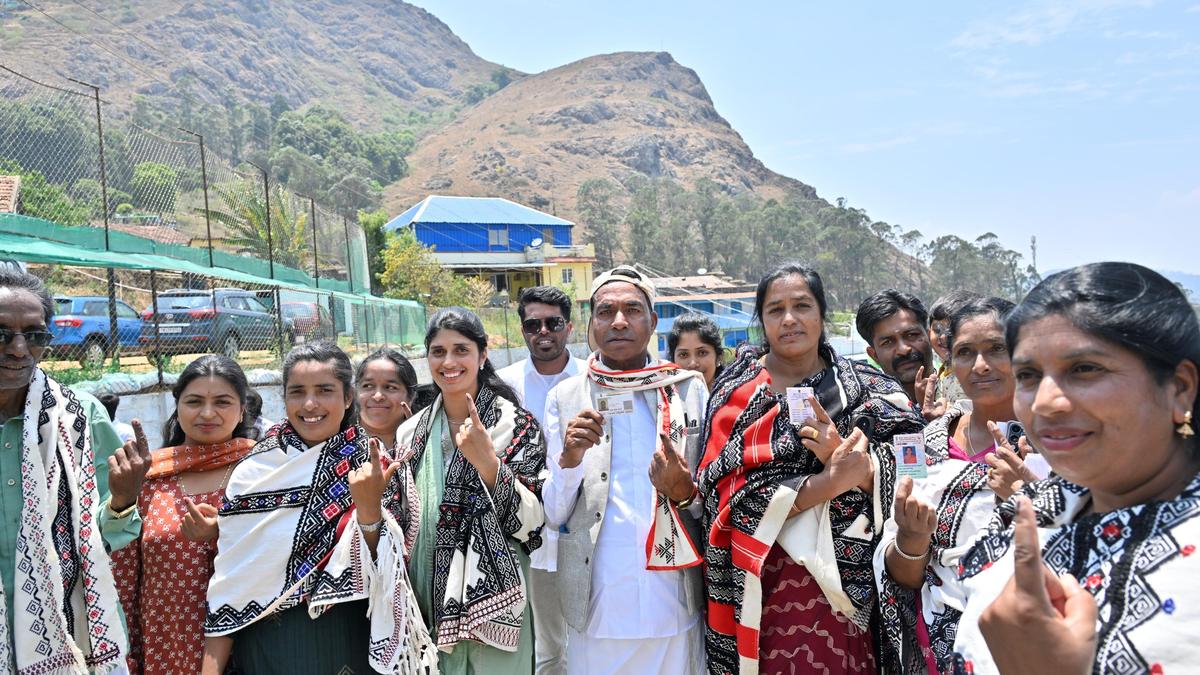
The Nilgiris district has seen a very high number of people coming out to vote in the latest elections. Residents from the high mountains, tea estates, and small villages stood in long lines to cast their ballots. This strong participation shows that the local community is very interested in the future of their region. Election officials have praised the peaceful and active involvement of the public throughout the day.
Main Impact
The high voter turnout in The Nilgiris is expected to have a major effect on the final election results. When a large percentage of the population votes, it often means that people are eager for their voices to be heard on specific local issues. This level of engagement puts pressure on political candidates to address the real needs of the people living in the hills. It also shows that the efforts to encourage voting in remote areas have been successful.
Key Details
What Happened
On the day of the election, voting began early in the morning across the district. Despite the chilly weather common in the high-altitude areas, many voters arrived at the polling stations before the doors even opened. The district administration had set up many booths in easy-to-reach locations, including schools and community centers. Special arrangements were made for people living in the deep forest areas and high-up tea gardens to ensure they could reach the voting centers safely.
In many parts of the district, the atmosphere was calm but full of energy. Young first-time voters were seen standing alongside elderly residents who have been voting for decades. The use of technology and clear signs helped the process move quickly, preventing long delays despite the large crowds.
Important Numbers and Facts
Early reports suggest that the voter turnout reached over 70 percent, which is higher than in several previous election cycles. There were more than 1,200 polling stations set up across the district to accommodate the thousands of voters. To ensure everyone could participate, the government deployed hundreds of transport vehicles to help the elderly and people with disabilities reach the booths. Security was also tight, with a large number of police officers stationed at every center to keep the process fair and safe.
Background and Context
The Nilgiris is a unique district because of its geography and the type of work people do there. Most of the population depends on tea farming, tourism, and agriculture. Because the area is mountainous, reaching government offices or voting centers can sometimes be difficult. In the past, some people in very remote villages found it hard to participate in elections.
In recent years, there has been a big push by the government and local groups to explain why every vote matters. They used social media, local radio, and community meetings to talk to the public. The main issues for voters this year included the price of tea leaves, the protection of the environment, and the need for better roads in the hilly areas. Many people also expressed concern about wild animals coming into human living spaces, which is a common problem in this region.
Public or Industry Reaction
Local leaders from various political parties have expressed their happiness with the high turnout. They believe that when more people vote, it strengthens the local government. Many tea plantation workers said they felt it was important to vote this time to ensure their working conditions and wages are discussed by the winners. Community groups representing the indigenous tribes of the hills also reported a high level of participation among their members.
Election observers noted that the day passed without any major problems. They credited the local police and the district administration for organizing the event so well. Residents shared on social media that they were proud to see their neighbors taking the time to participate in the democratic process.
What This Means Going Forward
The high turnout means that the winning candidate will have a strong mandate from the people. It also suggests that the public will expect quick action on the promises made during the campaign. Once the votes are counted, the focus will shift to how the new representatives handle the specific challenges of the mountain district. The success of this election day also provides a good model for how to manage voting in other difficult-to-reach parts of the country. Officials will likely look at what worked well this time to prepare for future elections.
Final Take
The people of The Nilgiris have shown that they are deeply committed to their roles as citizens. By turning out in such large numbers, they have sent a clear message that the issues of the hills are important and deserve attention. This high level of participation is a win for the community and shows the strength of the local spirit.
Frequently Asked Questions
Why was the voter turnout so high in The Nilgiris?
The high turnout was due to better awareness programs, improved transport for remote areas, and a strong desire among residents to address local issues like tea prices and wildlife safety.
Were there any problems during the voting process?
No major issues were reported. The election was peaceful, and the district administration ensured that polling stations were well-organized and safe for everyone.
How did people in remote areas reach the polling booths?
The government provided special transport services and set up polling stations closer to remote villages and tea estates to make it easier for people to vote.



