
Summary
Authorities in the Nilgiris district recently seized a large amount of gold jewelry valued at approximately ₹2.5 crore. The seizure took place during a routine vehicle check when officials discovered the items being transported without the required legal paperwork. The gold was reportedly intended for delivery to various private jewelry shops in the region, but the lack of proof of ownership led to its immediate confiscation.
Main Impact
This seizure highlights the strict monitoring of high-value goods moving across district borders. For the local jewelry market, such actions serve as a reminder that all commercial transport must follow tax and safety laws. The loss of such a large shipment, even if temporary, can disrupt the supply chain for local businesses and lead to heavy fines for the companies involved. It also shows that law enforcement is staying alert to prevent the movement of undocumented wealth.
Key Details
What Happened
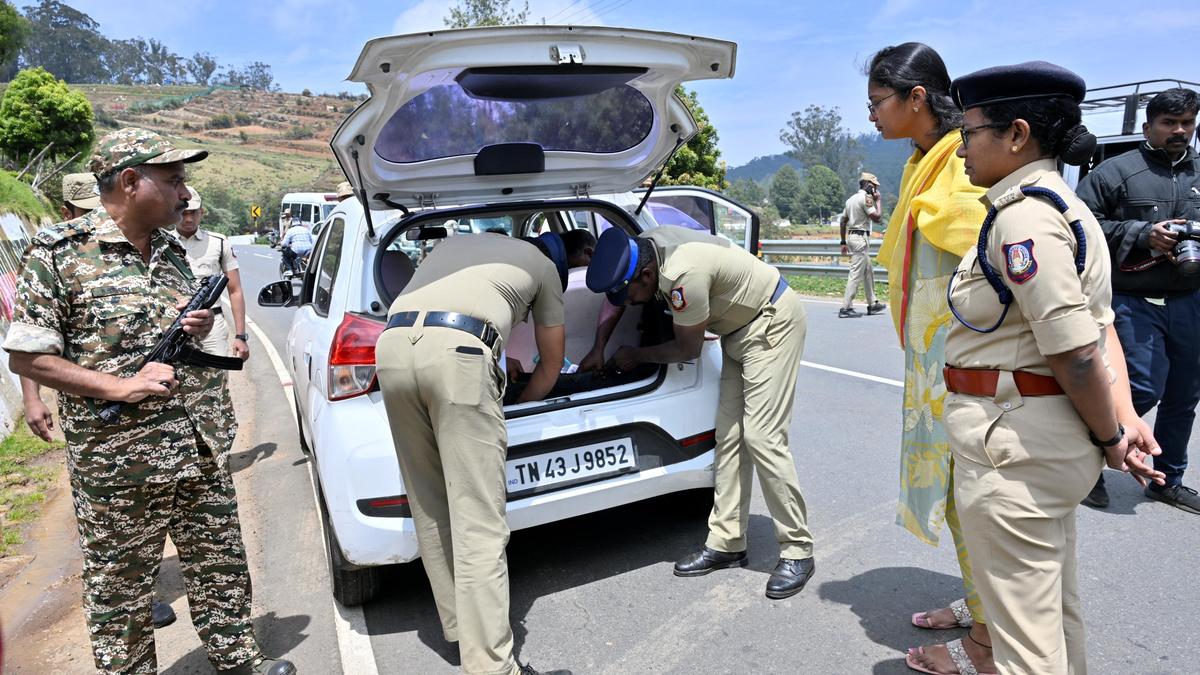
The incident occurred when a vehicle carrying a significant amount of gold jewelry was stopped at a security checkpoint in the Nilgiris. During the inspection, officers found bags filled with gold items. When the people in the vehicle were asked to show the necessary invoices and transport permits, they could not provide them. Because they failed to show where the gold came from or where it was officially going, the authorities took the jewelry into custody.
Important Numbers and Facts
The total market value of the seized gold is estimated to be around ₹2.5 crore. The items were being moved by a private company that supplies jewelry to retail stores. Under current laws, any commercial transport of gold worth a high amount must be accompanied by an E-way bill and valid tax invoices. Since these documents were missing, the entire load was moved to a government treasury for safekeeping until the investigation is finished.
Background and Context
Transporting precious metals like gold is a highly regulated activity in India. To prevent tax evasion and the movement of illegal money, the government requires businesses to carry specific documents. These documents prove that the goods have been taxed and are being moved for legitimate business reasons. In hilly regions like the Nilgiris, checkpoints are common to monitor the flow of goods coming in from neighboring states or districts.
Often, during special periods like elections or high-security alerts, these checks become even more frequent. Even during normal times, flying squads and static surveillance teams look for vehicles carrying large amounts of cash or jewelry without proof. If a company fails to show these papers, the items are treated as "unaccounted" goods, which triggers a legal process involving the Income Tax department.
Public or Industry Reaction
The jewelry industry often faces challenges when moving goods between branches or to clients. While most large companies follow the rules, smaller suppliers sometimes struggle with the paperwork required for every trip. Local business owners in the Nilgiris have noted that such seizures can cause delays in their inventory updates. However, law enforcement officials maintain that these checks are necessary to ensure fairness and to stop the "black market" trade of gold, which hurts the economy.
What This Means Going Forward
The company involved will now have to appear before the relevant authorities to present the missing documents. If they can prove the gold was legally purchased and that taxes were paid, they may be able to get the jewelry back after paying a penalty for the transport error. If they cannot provide proof, the gold could be permanently seized, and the company could face a deeper investigation into its finances.
For other businesses, this event serves as a warning. It is likely that checkpoints in the Nilgiris and surrounding areas will remain strict. Companies are being encouraged to digitize their records and ensure that every driver carries physical and digital copies of all permits to avoid similar problems in the future.
Final Take
The seizure of ₹2.5 crore worth of gold is a major event for the Nilgiris district. It shows that the authorities are committed to following the law, regardless of the value of the goods. For the jewelry trade to run smoothly, transparency and proper documentation are not just options but requirements. This incident will likely lead to more careful planning by suppliers who move precious items across the state.
Frequently Asked Questions
Why was the gold seized if it belonged to a company?
Even if a company owns the gold, they must carry legal documents like invoices and E-way bills during transport. Without these, the authorities cannot verify if the gold is legal or if taxes have been paid.
What happens to the gold after it is seized?
The gold is usually kept in a government treasury or a secure police locker. It stays there until the owners provide the correct paperwork and pay any required fines to the tax department.
Is it illegal to carry gold in a car?
It is not illegal to carry gold, but for commercial amounts, you must have business documents. For personal gold, individuals should carry receipts if the amount is very high to avoid confusion during security checks.



