
Summary
The government of Tamil Nadu has officially started its third synchronized survey to count the Nilgiri Tahr population across the Western Ghats. This major effort involves tracking the endangered mountain goat in its natural habitat to understand how many remain in the wild. By working closely with neighboring Kerala, officials aim to get an accurate number that will help in future conservation efforts. This survey is a key part of a larger state project dedicated to protecting this rare species and its environment.
Main Impact
The primary impact of this survey is the creation of a reliable database that will guide wildlife policy for years to come. Because the Nilgiri Tahr is an endangered species, knowing their exact locations and population trends is vital for their survival. This initiative also marks a high level of cooperation between the forest departments of Tamil Nadu and Kerala. By counting the animals at the same time in both states, experts can avoid counting the same goats twice as they move across state borders. This leads to much more accurate data than older, separate counting methods.
Key Details
What Happened
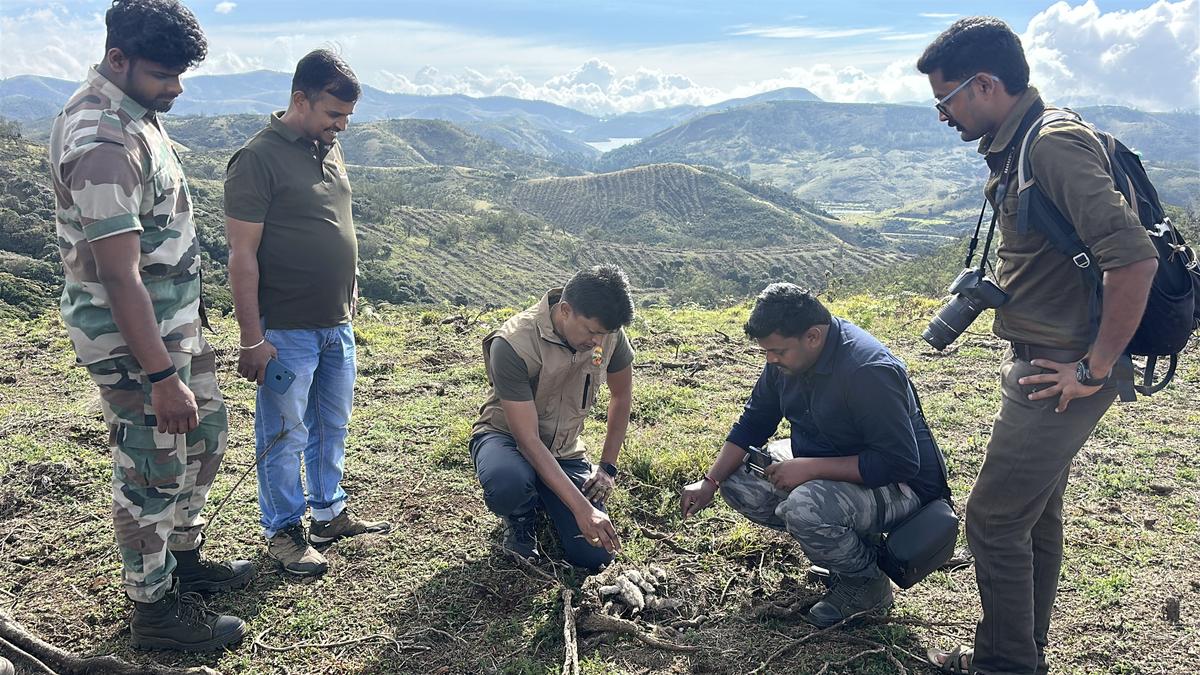
Teams of forest officials, biologists, and trained volunteers have headed into the high-altitude grasslands of the Western Ghats. The survey is designed to be "synchronized," meaning everyone counts at the same time across different zones. This method is used because the Nilgiri Tahr lives in rugged, rocky areas where it can be hard to spot. To make the count more effective, the teams are using modern technology alongside traditional observation. They are using drones to see into steep cliffs and deep valleys that are too dangerous for humans to reach on foot.
Important Numbers and Facts
The survey covers a vast area including several tiger reserves and national parks. Hundreds of field staff have been divided into small groups to cover over 100 specific blocks of land. The Nilgiri Tahr is the state animal of Tamil Nadu, which makes this project a high priority for the local government. Previous estimates suggested there are roughly 3,000 of these goats left in the wild, but this new survey will provide the most updated and scientific figure yet. The state has set aside a significant budget of approximately 25 crore rupees for the overall "Project Nilgiri Tahr" to ensure the species does not go extinct.
Background and Context
The Nilgiri Tahr is a unique mountain goat that is only found in the southern part of the Western Ghats in India. They prefer high elevations and open grasslands with rocky cliffs. Over the years, their numbers have dropped because of habitat loss, illegal hunting, and competition with domestic livestock. They are also very sensitive to changes in the weather and environment. In the past, counting them was difficult because they live in such remote areas. "Project Nilgiri Tahr" was launched to fix these issues by focusing on scientific research, better habitat management, and public awareness. This third survey is the latest step in that long-term plan.
Public or Industry Reaction
Wildlife experts and environmental groups have welcomed the move, praising the use of technology like drones. Many conservationists believe that involving local communities and volunteers in the count helps raise awareness about the importance of the Tahr. People living near the forest areas are also becoming more involved in protecting the animal, as it is a symbol of pride for the region. Experts from the Wildlife Institute of India have also provided technical support, ensuring that the data collected meets international scientific standards.
What This Means Going Forward
Once the survey is finished, the data will be analyzed to see if the population is growing, shrinking, or staying the same. If the numbers are low in certain areas, the government may restrict human activity there or work to restore the natural grass the goats eat. There is also talk of moving some goats to new areas where they used to live but have since disappeared. This is called reintroduction. The success of this survey will determine how much money and effort will be put into these future steps. It also sets a standard for how other endangered species might be tracked in the future.
Final Take
The third synchronized Nilgiri Tahr survey is more than just a count of animals; it is a vital check-up on the health of the Western Ghats. By using science and teamwork across state lines, Tamil Nadu is showing a strong commitment to saving its state animal. The results of this study will be the foundation for all future efforts to keep these unique mountain goats safe from extinction. Protecting the Tahr ensures that the mountain ecosystems they live in remain balanced and healthy for future generations.
Frequently Asked Questions
What is a Nilgiri Tahr?
The Nilgiri Tahr is an endangered mountain goat native to the Western Ghats in India. It is known for its short fur and curved horns, and it is the state animal of Tamil Nadu.
Why is the survey "synchronized"?
It is called synchronized because the count happens at the same time in different locations. This prevents the same animal from being counted twice if it moves from one area to another during the survey.
How do drones help in the survey?
Drones allow researchers to see goats that are standing on very steep cliffs or in remote areas that are hard for people to climb. This makes the final count much more accurate.



