
Summary
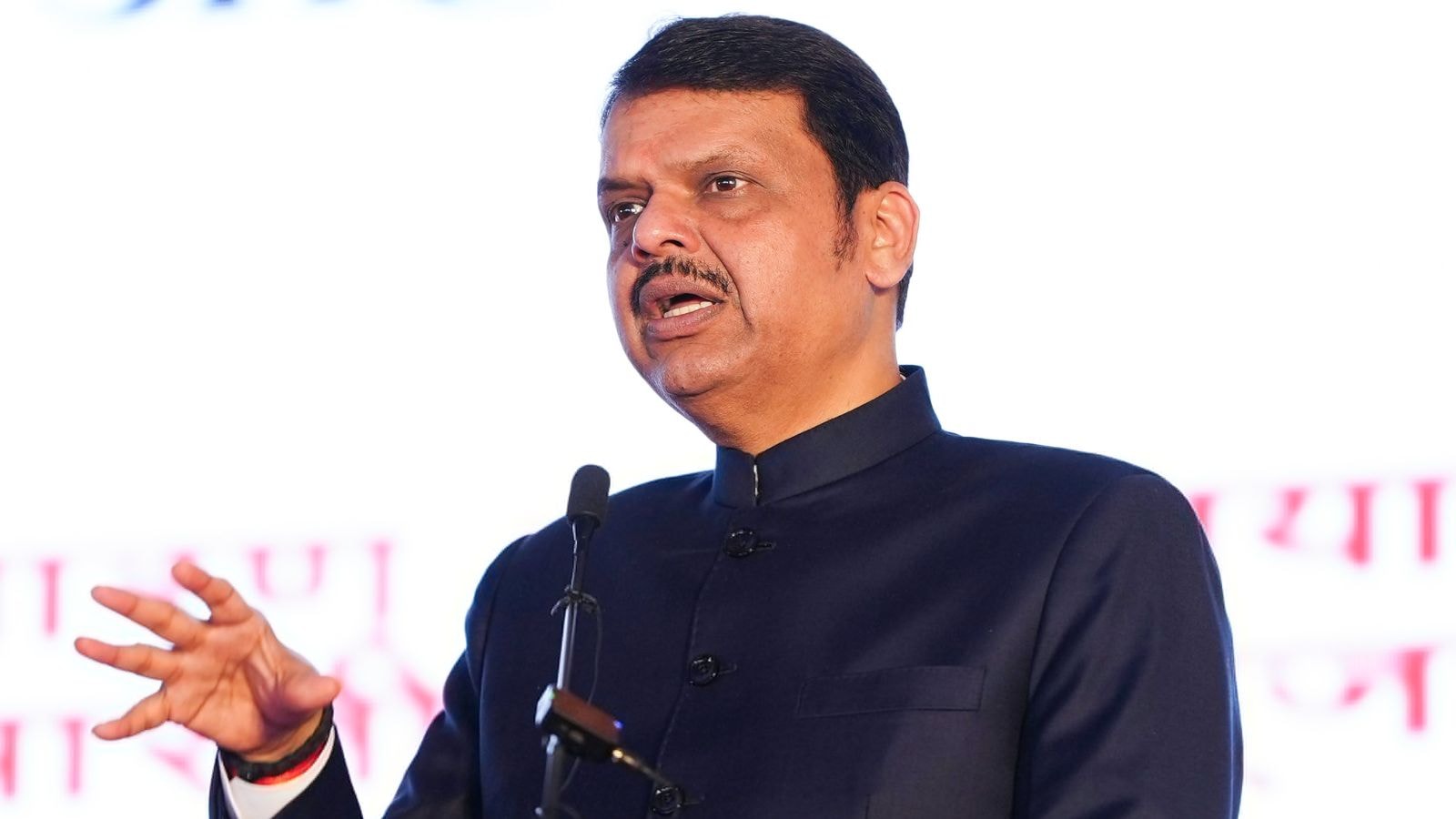
Maharashtra Deputy Chief Minister Devendra Fadnavis recently shared major updates regarding a violent stabbing incident in Thane. He stated that the attack was a case of self-radicalisation, where the suspect was influenced by extremist content found online. Due to the serious nature of the crime and its links to national security, the National Investigation Agency (NIA) has been called in to lead the probe. This decision marks a shift from a local criminal investigation to a high-level federal inquiry.
Main Impact
The involvement of the NIA shows that the government views this stabbing as more than just a local dispute. By labeling the event as a result of self-radicalisation, officials are highlighting a growing threat where individuals become dangerous after watching extremist videos on the internet. This case will likely lead to stricter monitoring of digital platforms and a bigger focus on how young people consume information online. It also signals that federal agencies will now step in quickly when local crimes show signs of extremist influence.
Key Details
What Happened
The incident took place in the Thane district, where a young man attacked a woman with a sharp weapon. Local police quickly arrested the suspect and began questioning him about his motives. During the initial investigation, the police found that the attacker did not have a direct link to a known terrorist group. Instead, he appeared to have changed his views and become violent on his own. He spent a lot of time watching videos and reading materials that promoted hate and violence. This process is what officials call self-radicalisation.
Important Numbers and Facts
The suspect has been identified as a 20-year-old man named Mohammad Zaid. Reports show that he had been consuming extremist content for several months before the attack. The NIA, which is India’s top agency for fighting terrorism, took over the case following a formal request and a review of the evidence. This is one of several recent cases in the state where digital influence has led to physical violence. The government is now looking at data from the suspect’s phone and computer to see who else he might have been talking to online.
Background and Context
Self-radicalisation is a term used when a person adopts extreme or violent beliefs without joining a physical group. In the past, people usually joined extremist organizations in person. Today, the internet allows people to find dangerous ideas from their own homes. This makes it very hard for the police to track potential threats because there is no large group to watch. Devendra Fadnavis, who also serves as the Home Minister of Maharashtra, explained that this trend is a major challenge for modern law enforcement. The Thane case is being used as an example of how quickly someone can turn toward violence after being exposed to harmful content on social media or messaging apps.
Public or Industry Reaction
The news has caused concern among local residents and security experts. Many people are worried about the safety of public spaces if "lone wolf" attacks become more common. Security experts have praised the decision to bring in the NIA, saying that a federal agency has better tools to track digital footprints and international links. However, some community leaders have called for more focus on mental health and digital literacy to prevent young people from falling into these traps in the first place. There is a general agreement that the police need better ways to identify at-risk individuals before they act.
What This Means Going Forward
The NIA will now look deep into the suspect's digital life. They want to find out if there are specific websites or chat groups that are targeting young people in the region. This investigation could lead to more arrests if others are found to be spreading similar violent messages. For the public, this means there might be more security checks and a push for parents to watch what their children do online. The government may also work with tech companies to block harmful content more effectively. This case sets a precedent for how India will handle crimes that start on the internet but end in real-world violence.
Final Take
The Thane stabbing is a wake-up call about the power of the internet to change how people think and act. While the local police did their job by catching the suspect, the NIA’s involvement shows that the fight against extremism has moved into the digital world. Protecting the public now requires a mix of traditional police work and advanced digital tracking. The focus is no longer just on large groups, but on the screens in people's pockets.
Frequently Asked Questions
What is self-radicalisation?
It is a process where a person develops extremist or violent views on their own, usually by reading or watching harmful content online, rather than being recruited by a group in person.
Why is the NIA investigating a stabbing?
The NIA takes over cases that involve national security or terrorism. Since this attack is linked to extremist ideologies, the federal government wants a deeper investigation into the suspect's influences.
Is there a wider threat to the public?
Authorities are investigating to see if the suspect acted entirely alone or if others are following the same path. They are increasing monitoring to ensure public safety and prevent similar incidents.



