
Summary
The National Investigation Agency (NIA) has officially taken over the investigation into a series of intense protests in Malda, West Bengal. These protests involved a group known as SIR, whose members surrounded and trapped several judicial officers during a demonstration. By registering 12 separate cases, the federal agency is looking into whether these actions were part of a larger, organized plan to disrupt the legal system. This move highlights the government's serious approach to protecting the safety and independence of the judiciary.
Main Impact
The decision for a federal agency like the NIA to step in marks a major shift in how this incident is being handled. Usually, local protests are managed by state police, but the scale and target of this event have raised national concerns. By filing 12 different cases, the NIA is signaling that it views the disruption of court activities as a threat to public order and state security. This intervention will likely lead to a much deeper look into the leadership and funding of the groups involved in the Malda incident.
Key Details
What Happened
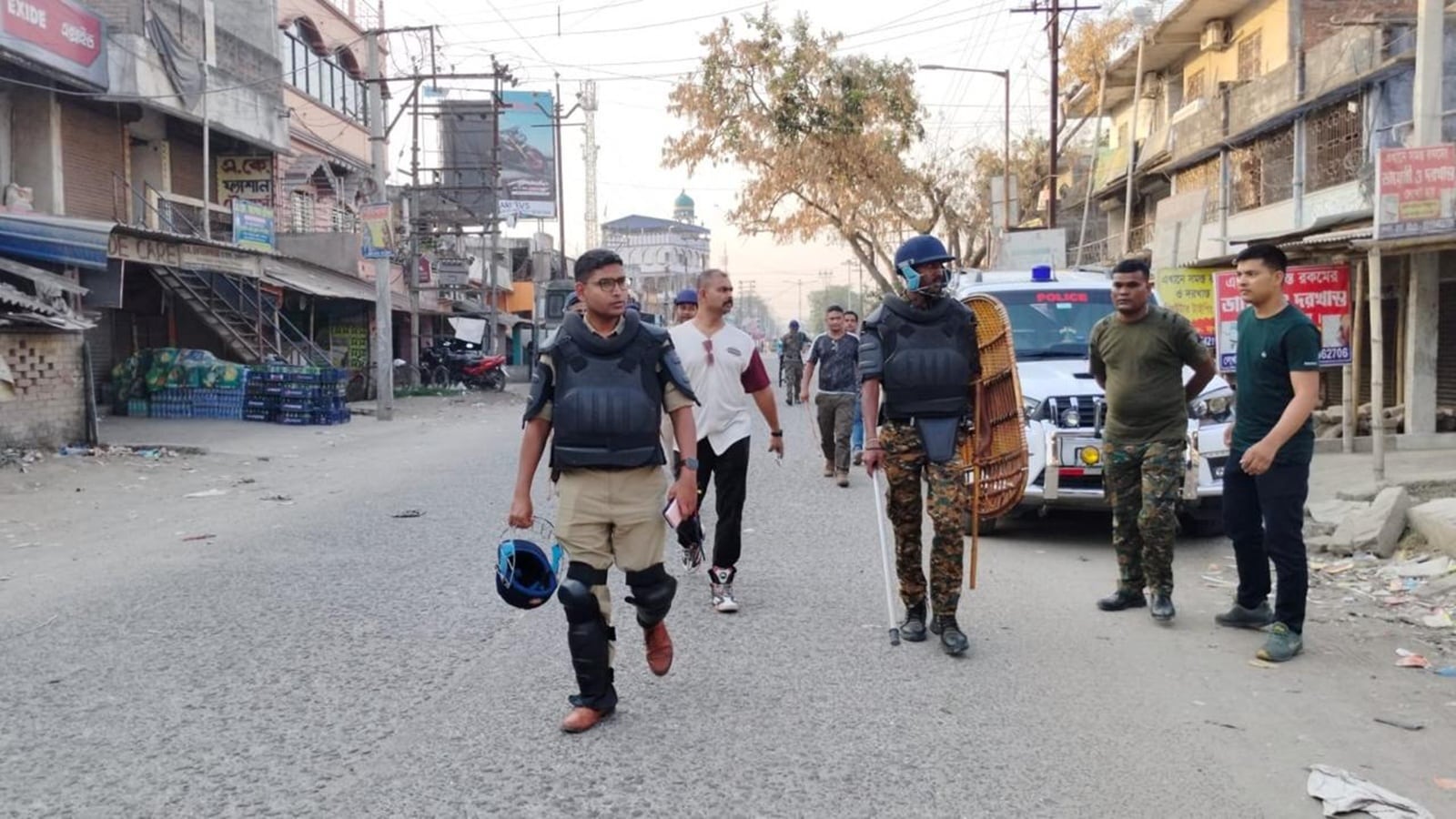
The incident took place in the Malda district, where a large crowd of protesters gathered to voice their demands. During the event, the situation quickly escalated when the protesters blocked the movement of judicial officers. This act, often called a "gherao," left judges and court staff unable to leave their offices or move freely for an extended period. The blockade caused a complete shutdown of legal proceedings for the day, creating a tense environment for everyone working within the court complex. Local authorities struggled to manage the crowd, which eventually led to the call for a higher-level investigation.
Important Numbers and Facts
The NIA has registered exactly 12 cases related to this specific protest. These cases focus on the illegal confinement of public officials and the obstruction of justice. The investigation will cover events that occurred in Malda, a region that has seen various social movements in recent years. While the exact number of people being investigated has not been fully released, the agency is expected to identify hundreds of participants through video evidence and witness statements. The transition of these cases from local police to the NIA happened after a formal review of the potential risks to the judicial branch of the government.
Background and Context
Malda is a district in West Bengal that often sees active social and political movements. The group involved in this protest, referred to as SIR, has been active in raising issues related to social rights and community benefits. However, targeting the judiciary is a rare and serious step in the world of public protests. In the legal system, judges must be able to work without fear of physical threats or being trapped by crowds. When a protest stops a court from functioning, it is seen as an attack on the rule of law. This is why the central government decided that a federal agency should lead the probe to ensure a thorough and unbiased investigation.
Public or Industry Reaction
The legal community across West Bengal has reacted with deep concern. Many lawyers' associations have called for better security at court buildings to prevent such incidents from happening again. They argue that if protesters feel they can trap judges without facing heavy consequences, it will weaken the entire justice system. On the other hand, some local activists feel that the NIA's involvement is an overreaction. They believe the protesters were simply trying to get their voices heard after feeling ignored by the government for a long time. Political leaders have also weighed in, with some supporting the federal probe and others questioning if it interferes with the state's power to handle its own law and order.
What This Means Going Forward
In the coming months, the NIA will likely carry out a series of raids and interviews in and around Malda. The goal is to find out if the "gherao" was a spontaneous act or a carefully planned move to intimidate the courts. This investigation could lead to new security protocols for judicial officers across the state. It also sets a precedent that any group targeting the legal system will face federal charges rather than just local police action. For the people of Malda, this means a period of increased police presence and a closer watch on social organizations and their activities.
Final Take
The move by the NIA to register 12 cases shows that the government will not tolerate actions that threaten the safety of the judiciary. While the right to protest is a fundamental part of society, it does not include the right to trap officials or stop the work of the courts. This investigation will be a key test of how the law handles organized efforts to disrupt the legal process. It serves as a clear reminder that there are strict boundaries to public demonstrations, especially when they interfere with the essential functions of the state.
Frequently Asked Questions
Why is the NIA involved in a protest case?
The NIA usually handles cases that involve threats to national security or the integrity of the state. Because this protest targeted judicial officers and stopped the court from working, it was viewed as a serious threat to the legal system, requiring a federal investigation.
What does the term "gherao" mean?
A "gherao" is a type of protest where a large group of people surrounds a person or a building to prevent anyone from entering or leaving. It is used as a tactic to force an official to listen to demands or to show strong public anger.
What could happen to the protesters identified by the NIA?
Those identified as leaders or active participants in the blockade could face serious legal charges. These may include obstructing public servants, illegal confinement, and other charges related to disrupting the peace and threatening the security of the judicial system.



