
Summary
The National Investigation Agency (NIA) has filed a fifth supplementary chargesheet in a major case involving the Islamic State (IS). This case dates back to 2014 and involves young men from Kalyan, Maharashtra, who left India to join the terror group in Syria. The new legal document names Mohammed Tawqeer Khan as a key person who helped in the recruitment and travel of these individuals. This move shows that Indian security agencies are still actively pursuing everyone involved in terror activities, even a decade after the crimes were committed.
Main Impact
The filing of this chargesheet is a significant step in closing the gaps in one of India’s oldest ISIS-related investigations. By naming more suspects and providing new evidence, the NIA is strengthening the legal case against those who radicalized and funded young citizens. This action sends a clear message that the passage of time will not protect those accused of helping terror organizations. It also highlights the ongoing effort to track down people who fled the country to avoid arrest.
Key Details
What Happened
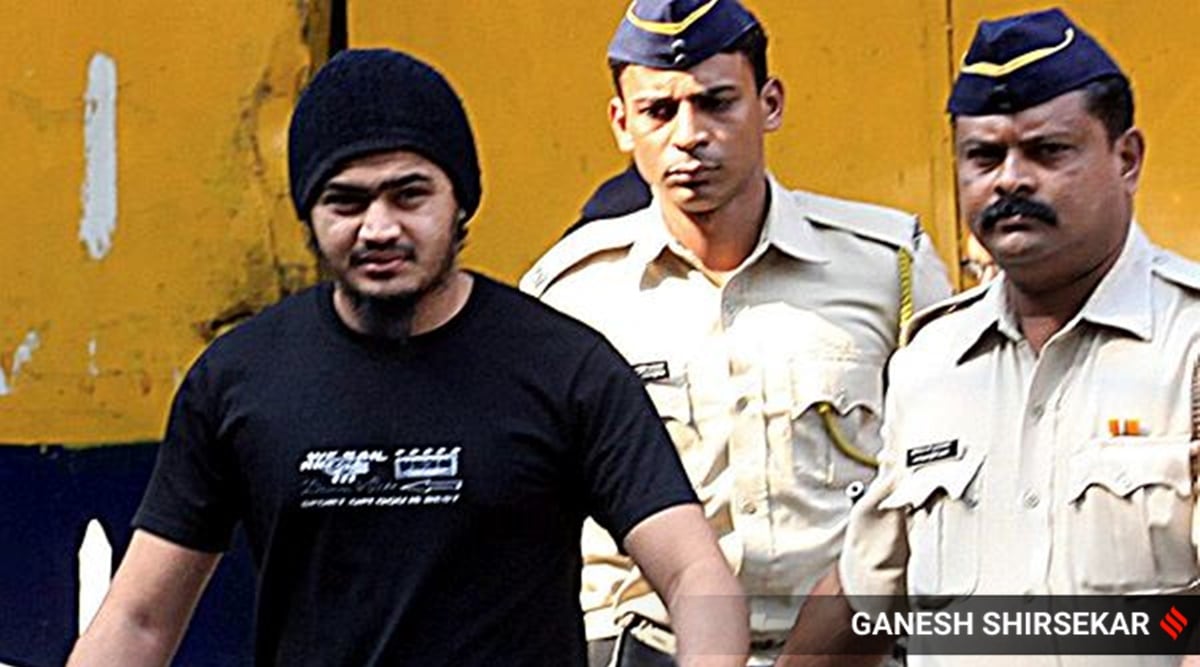
The NIA submitted the fifth supplementary chargesheet to a special court in Mumbai. This document focuses on the role of Mohammed Tawqeer Khan. According to the investigation, Khan was a central figure in the conspiracy to send Indian youth to fight for ISIS. He allegedly provided financial help and helped arrange the logistics for their travel. Khan had been on the run for several years before he was finally caught and brought to justice. The chargesheet includes evidence of his meetings with the youths and his communication with other members of the terror network.
Important Numbers and Facts
The case began in 2014 when four young men from Kalyan—Areeb Majeed, Fahad Shaikh, Amaan Tandel, and Saheem Tanki—disappeared. This was the first high-profile case of Indian nationals joining ISIS. Over the last ten years, the NIA has filed multiple chargesheets as they gathered more information. This fifth update is the latest in a long series of legal steps. The accused, Tawqeer Khan, is facing charges under the Unlawful Activities (Prevention) Act, which is a strict law used to handle cases of terrorism and threats to national security.
Background and Context
In May 2014, the four youths from Kalyan told their families they were going on a religious pilgrimage to Iraq. Instead, they traveled to join the Islamic State. This event shocked the nation and forced security agencies to look closely at how global terror groups were using the internet to reach Indian youth. One of the men, Areeb Majeed, returned to India in November 2014 and was immediately arrested. The other three were reported to have died in the conflict zones of the Middle East, though official confirmation has been difficult to obtain for all of them. This case was a turning point for India's counter-terrorism strategy, leading to more focus on online radicalization.
Public or Industry Reaction
Legal experts and security officials have noted that the NIA’s persistence is vital for national safety. Many believe that filing supplementary chargesheets is necessary because terror networks are often complex and take years to fully uncover. While some critics argue that the legal process takes too long, supporters of the agency say that the thorough nature of the investigation ensures that the evidence is strong enough to lead to convictions. The public reaction in Kalyan and surrounding areas has been one of quiet observation, as the community has spent years trying to move past the events of 2014.
What This Means Going Forward
The legal proceedings against Mohammed Tawqeer Khan will now move to the trial stage. The NIA is expected to present witnesses and digital evidence to prove his role in the recruitment process. This case also serves as a reminder for security agencies to stay alert. Even though ISIS has lost much of its territory in the Middle East, the ideas they spread still pose a risk. The government is likely to continue its programs to prevent radicalization and monitor individuals who might be influenced by extremist groups online. The focus will remain on identifying recruiters who operate behind the scenes.
Final Take
The NIA’s latest action proves that the law has a long memory. By continuing to investigate the 2014 IS case, the agency is ensuring that no person involved in terror recruitment can simply wait for the world to forget. This chargesheet is not just a legal document; it is a sign of the government's commitment to national security and its refusal to let terror-related crimes go unpunished.
Frequently Asked Questions
What is a supplementary chargesheet?
A supplementary chargesheet is an additional legal document filed by the police or an agency like the NIA. It is used when new evidence or new suspects are found after the first chargesheet has already been submitted to the court.
Who is Mohammed Tawqeer Khan?
He is the person named in the latest NIA chargesheet. He is accused of being a recruiter and facilitator who helped young men from Kalyan join the Islamic State in 2014.
What happened to the four youths from Kalyan?
One of them, Areeb Majeed, returned to India and was arrested. The other three—Fahad Shaikh, Amaan Tandel, and Saheem Tanki—are believed to have been killed while fighting for ISIS in the Middle East.



