
Summary
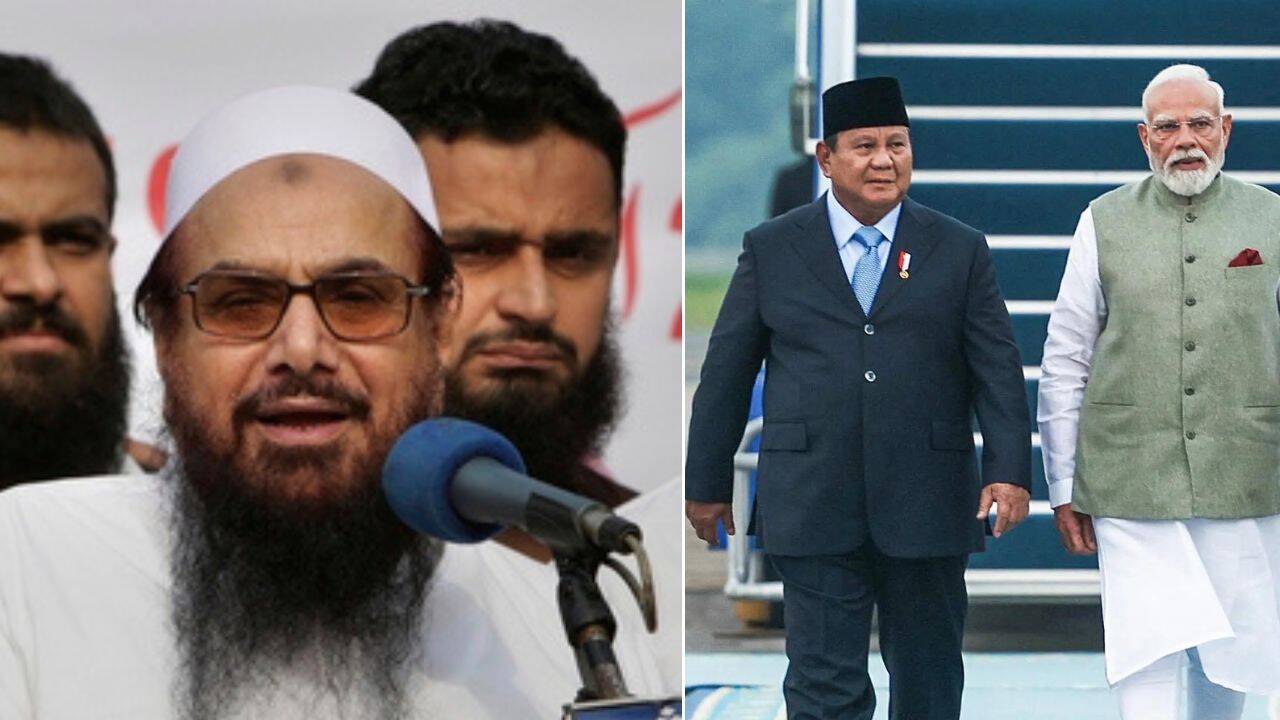
India's National Investigation Agency (NIA) has formally charged Hafiz Saeed, the founder of the banned terror group Lashkar-e-Taiba, in connection with the 2025 Pahalgam terror attack. In other major news, Prime Minister Narendra Modi has started a key visit to Indonesia to strengthen bilateral ties. These developments mark significant moves in both national security and foreign policy.
Main Impact
The NIA's charges against Hafiz Saeed bring the mastermind of the 2008 Mumbai attacks back into the spotlight for a recent deadly assault. This legal action signals India's continued push for accountability in cross-border terrorism. Meanwhile, PM Modi's visit to Indonesia aims to boost economic and strategic cooperation in the Indo-Pacific region.
Key Details
What Happened
The NIA filed a chargesheet against Hafiz Saeed and several other operatives for planning and executing the Pahalgam attack in Jammu and Kashmir. The attack, which took place in 2025, killed several civilians and security personnel. The agency has gathered evidence linking Saeed directly to the conspiracy.
Important Numbers and Facts
The chargesheet includes multiple counts under the Unlawful Activities (Prevention) Act and the Indian Penal Code. The NIA has named at least six accused, including Saeed, who is currently in custody in Pakistan. The Pahalgam attack occurred in July 2025, and the investigation has been ongoing for over a year.
Background and Context
Hafiz Saeed has been a long-standing figure in global terrorism, with the United Nations and India designating him as a terrorist. The Pahalgam attack was one of the deadliest in the region in recent years, prompting a strong response from Indian security forces. PM Modi's visit to Indonesia is part of a broader strategy to deepen ties with Southeast Asian nations, especially in trade and defense.
Public or Industry Reaction
Indian officials have welcomed the NIA's move, calling it a step toward justice for the victims. Families of those killed in the Pahalgam attack have expressed hope that the charges will lead to a fair trial. In Indonesia, local media have highlighted PM Modi's visit as a chance to boost economic partnerships, with business leaders showing interest in new trade deals.
What This Means Going Forward
The charges against Hafiz Saeed could increase diplomatic pressure on Pakistan to act against terror groups operating from its soil. For India, this legal action reinforces its zero-tolerance policy on terrorism. PM Modi's Indonesia visit is expected to result in several agreements on maritime security, digital technology, and renewable energy, strengthening India's role in the region.
Final Take
These two stories show India's dual focus on security and diplomacy. By charging a key terror figure and engaging with a major partner like Indonesia, the country is working to protect its citizens while building stronger global ties. The outcomes of both actions will be watched closely in the coming months.
Frequently Asked Questions
Who is Hafiz Saeed and why is he being charged?
Hafiz Saeed is the founder of Lashkar-e-Taiba, a banned terrorist group. He is being charged by India's NIA for his role in planning the 2025 Pahalgam terror attack in Jammu and Kashmir.
What is the purpose of PM Modi's visit to Indonesia?
Prime Minister Modi's visit aims to strengthen economic and strategic ties between India and Indonesia. Key areas include trade, maritime security, and technology cooperation.
How does the Pahalgam attack relate to earlier terror incidents?
The Pahalgam attack is part of a pattern of cross-border terrorism linked to groups like Lashkar-e-Taiba. The NIA's charges against Hafiz Saeed connect this attack to the same network responsible for the 2008 Mumbai attacks.



