
Summary
The expansion of National Highway 66 (NH 66) into a four-to-six-lane road is nearing completion, marking a major milestone for regional travel. While the new road promises faster trips, experts and citizens are now calling for a significant increase in high-quality public bus services. The goal is to provide a comfortable alternative to private cars and motorcycles, which currently dominate the highway. By improving bus connectivity, the state can reduce traffic congestion, lower pollution levels, and make the most of the new infrastructure.
Main Impact
The primary impact of this development is the potential shift in how people travel across the state. A wider highway often leads to more people driving their own cars, which can quickly fill up the new lanes and cause traffic jams. However, if the government introduces a fleet of modern, comfortable buses, it could convince thousands of drivers to leave their vehicles at home. This change would not only make the highway safer by reducing the number of small vehicles but also help families save money on fuel and maintenance costs.
Key Details
What Happened
As the construction work on NH 66 reaches its final stages, a strong demand has emerged for a better public transport system. Currently, the highway is being transformed from a narrow road into a modern multi-lane thoroughfare. While the physical road is almost ready, the transport services have not yet caught up. Experts argue that the current bus system is not attractive enough for people who are used to the comfort and privacy of their own cars. To fix this, there is a push for more frequent services and better vehicle standards.
Important Numbers and Facts
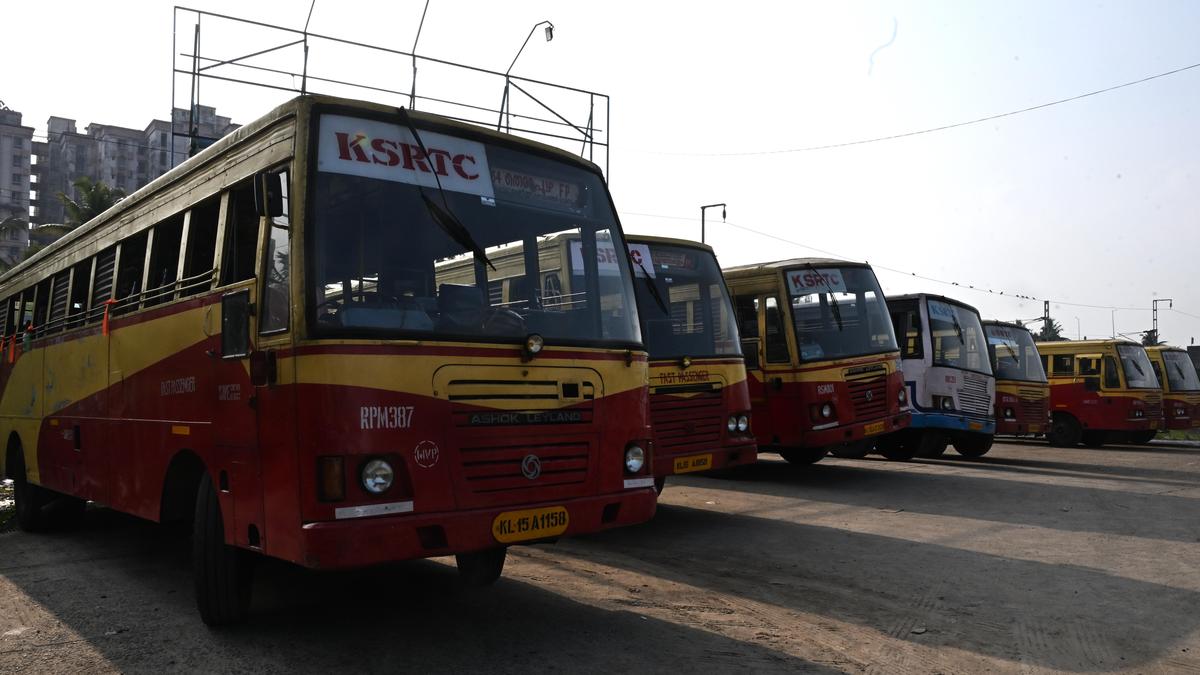
The NH 66 project involves widening the road to four or six lanes in various sections to handle higher speeds and more traffic. Transport analysts suggest that for the highway to function efficiently, there should be a "premium" bus service every 15 to 20 minutes during peak hours. They also recommend that the Kerala State Road Transport Corporation (KSRTC) increase its fleet of air-conditioned and low-floor buses. Furthermore, experts believe that private bus operators should be allowed to participate under a regulated system to ensure there are enough vehicles to meet the growing demand from the public.
Background and Context
For many years, public transport in this region has been seen as a secondary option for those who do not own a car. Buses are often crowded, lack air conditioning, and do not always follow a strict schedule. As the economy grows, more people have purchased private cars and bikes for their daily commute. This has led to a massive increase in the number of vehicles on the road, causing accidents and slow travel times. With the new NH 66 offering a smooth and fast driving surface, the gap between private travel and public transport has become even more noticeable. People now want a bus system that matches the quality of the new road.
Public or Industry Reaction
Transport experts and urban planners are vocal about the need for a formal "Public Transport Policy." They believe that simply building roads is not enough to solve travel problems. The reaction from the public has been similar, with many commuters stating they would prefer taking a bus if it were reliable and comfortable. Industry leaders are also suggesting that the government should look into "last-mile connectivity." This means having smaller shuttle buses or electric rickshaws that take people from the main highway bus stops to their final destinations, such as offices or homes. This would make the entire journey seamless and more appealing than driving a car through city traffic.
What This Means Going Forward
Moving forward, the success of the NH 66 expansion will depend on how the government manages public transport. If they fail to add more buses, the highway will likely become crowded with private cars within a few years. The next steps involve the transport department creating a clear schedule for new bus routes and investing in modern technology. This includes mobile apps that allow passengers to track buses in real-time and digital payment systems for tickets. There is also a need to build modern bus shelters along the highway that offer shade, seating, and safety for passengers waiting for their rides.
Final Take
A highway is more than just asphalt and concrete; it is a tool for moving people efficiently. To truly modernize travel along NH 66, the focus must shift from moving vehicles to moving people. By prioritizing comfortable and frequent public buses, the state can create a transport system that is sustainable, affordable, and accessible to everyone. This approach will ensure that the massive investment in the highway project delivers the best possible results for the public for decades to come.
Frequently Asked Questions
Why is there a need for more buses on NH 66?
More buses are needed to reduce the number of private cars on the road. This helps prevent traffic jams, lowers pollution, and provides a cheaper travel option for the general public.
What kind of buses are people asking for?
Commuters are looking for "comfortable" options, which include air-conditioned interiors, better seating, and low-floor designs that are easier for elderly people and children to use.
How can private bus owners help?
Private participation can increase the total number of buses available. By allowing private operators to run on certain routes under government rules, the frequency of bus services can be greatly improved.



